
UK Prepares for Rare 96% Solar Eclipse: Best Vantage Points and Safety Protocols
British spectators are set to witness the most significant solar obscuration since 1999 this Wednesday evening. With coverage reaching up to 96 percent in certain regions, this event marks the final opportunity for such a view in the UK until 2081.
Key takeaways
- Plymouth will see the highest UK solar obscuration at 95 percent, while London will see 91.4 percent.
- The event starts around 6:08pm in the north and 6:17pm in London, concluding by 8:00pm.
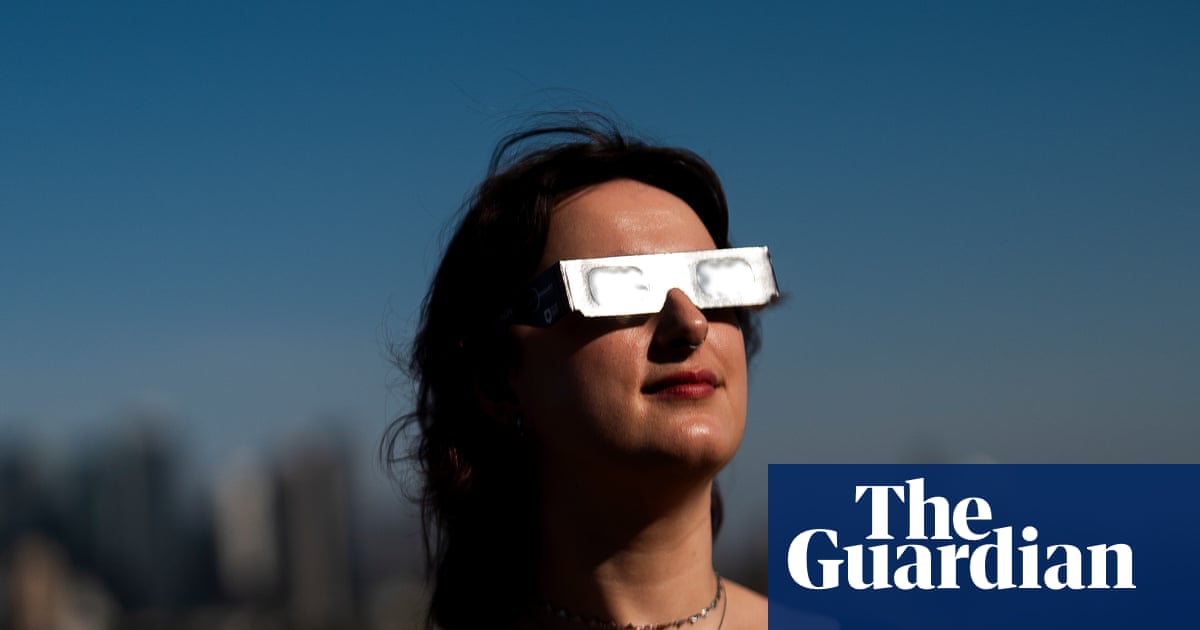
- Observers must use ISO 12312-2:2015(E) certified glasses to prevent permanent retinal damage.
- This is the final major solar obscuration visible from the United Kingdom until the year 2081.
Event Overview
For the first time this century, the United Kingdom and Ireland will witness a near-total solar eclipse on Wednesday evening. This astronomical event occurs as the moon aligns between the Earth and the sun, obstructing the majority of solar light. Observers can expect between 90% and 96% coverage, a level of obscuration not seen in British skies for 25 years. This represents the final chance to view such a significant eclipse in this region until 2081.
Regional Visibility Forecast
While the path of totality passes through Greenland, Iceland, and northern Spain, British observers will still see a dramatic celestial display. Obscuration levels vary by geography, with western locations receiving the most significant coverage. Plymouth leads the UK with 95% coverage, followed by Cardiff at 93.2% and Belfast at 93.1%. Residents in Manchester will see 91.9%, while London will experience 91.4% obscuration. Further north, Edinburgh and Newcastle will see 90.7% and 90.2% respectively, with the Shetland islands recording the lowest UK coverage at 88%.
Atmospheric Conditions and Strategy
Met Office meteorologist Tom Morgan suggests that despite typical seasonal uncertainty, much of the UK may enjoy reasonable viewing conditions. The clearest skies are currently projected for southern and eastern districts, while Scotland and Northern Ireland face a higher probability of cloud interference. Catherine Heymans, Scotland’s astronomer royal, advises enthusiasts to monitor real-time cloud cover forecasts and consider traveling to clear-sky zones. To maximize the experience, experts recommend identifying a high vantage point with an unobstructed western horizon, such as Parliament Hill or Primrose Hill, by 7:30pm.
Safety and Observation Timing
Public health officials emphasize that standard sunglasses are insufficient for protection. Following the 1999 eclipse, the Royal College of Ophthalmologists documented 70 cases of retinal damage. The UK Health Security Agency mandates the use of specialized viewers meeting the ISO 12312-2:2015(E) safety standard. Alternatively, indirect methods like pinhole projectors or colanders can be used to cast the sun's image onto paper.
The event timing progresses from north to south. Start times begin at 6:08pm in Edinburgh, reaching London by 6:17pm and Cornwall by 6:18pm. The peak obscuration occurs approximately one hour after these start times, with the event concluding by 8:00pm. Beyond the visual shift, University of Manchester astronomer Sarah Crowther notes that observers may notice behavioral changes in local wildlife, including a sudden silence followed by a premature "dawn chorus" as light returns.
Key Facts
- Maximum UK coverage reaches 95% in Plymouth and 93.2% in Cardiff.
- The eclipse begins between 6:08pm and 6:18pm depending on latitude.
- This is the most significant solar event in the UK since 1999 and the last until 2081.
- Safety viewers must strictly adhere to ISO 12312-2:2015(E) international standards.
- Total eclipse duration in Greenland and Spain will last up to two minutes and 18 seconds.
Source: The Guardian
Related stories
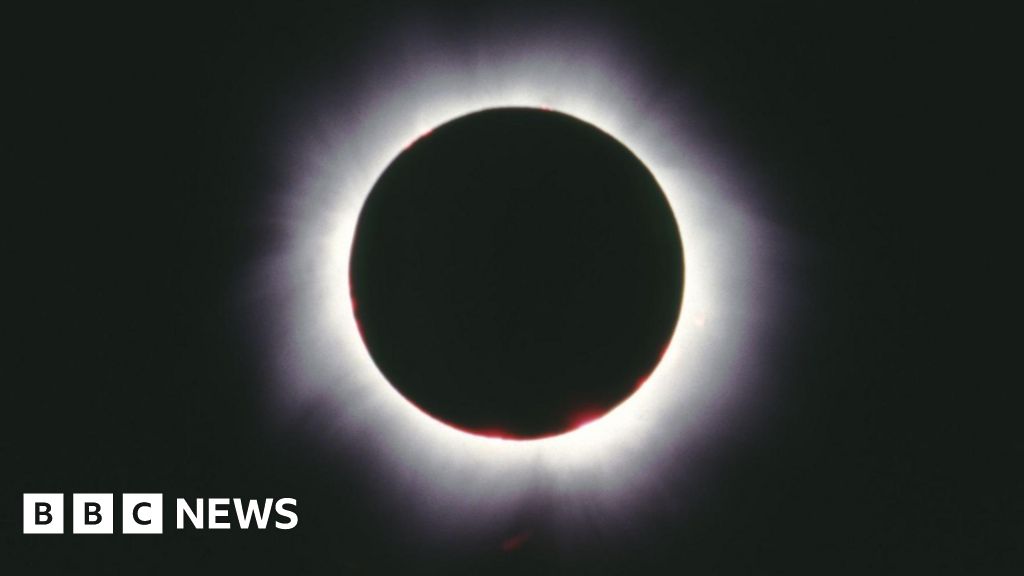
Yorkshire Faces Near-Total Darkness in Region’s Deepest Eclipse Since 1999
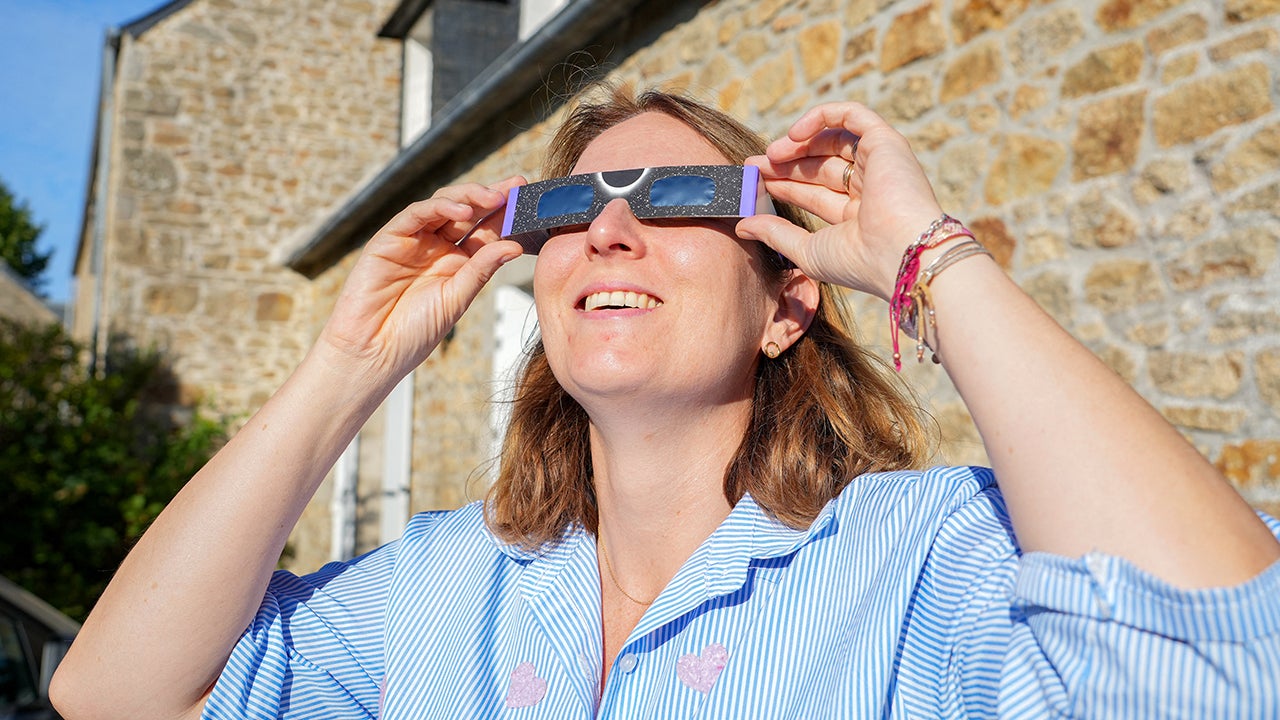
Celestial Alignment Meets Seasonal Storms: The 2026 Solar Eclipse Forecast

Mamdani Defends Unprecedented NYPD Vehicle Barriers During Summer Streets
