
Mamdani Defends Unprecedented NYPD Vehicle Barriers During Summer Streets
Mayor Mamdani is standing by the NYPD’s decision to block car-free routes with patrol vehicles, a move internal sources and attendees have labeled as excessive. Despite claims that vehicle rammings necessitated the shift, the city previously held these events without such barriers even following loc
Key takeaways
- Mayor Mamdani defended the NYPD's unprecedented use of patrol cars to block pedestrian routes during the first Manhattan Summer Streets event of the year.
- The NYPD cited vehicle-ramming threats for the barriers, though similar threats in 2017 and 2023 did not result in such restrictive measures.
- Advocates and participants claim the new police chokepoints made cycling more hazardous and undermined the spirit of the car-free program.
- Despite campaign promises to expand pedestrianization, the 2026 Summer Streets program mirrors the scale of the previous year's event.
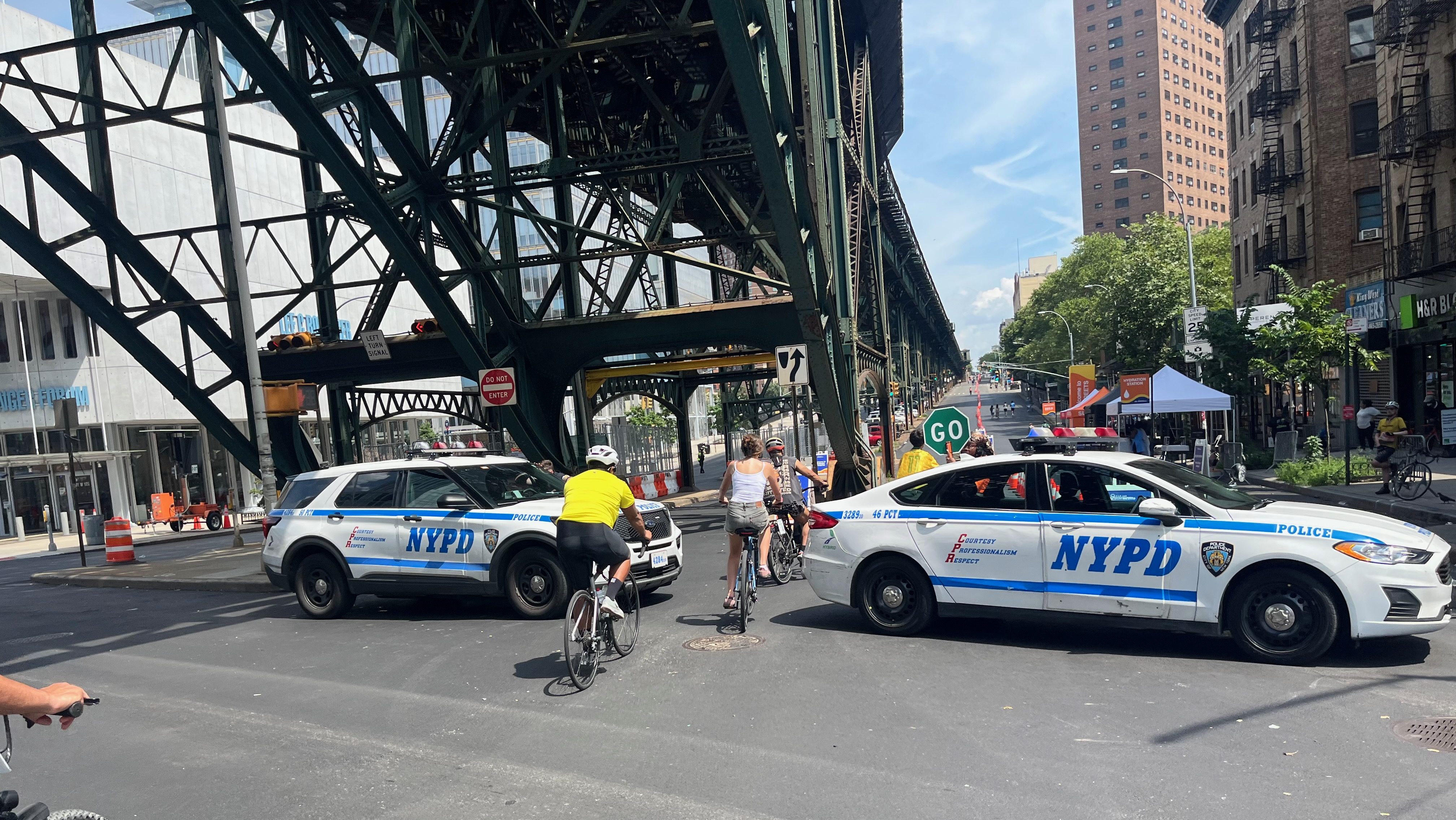
Mayor Mamdani is shielding the NYPD against criticism after the department deployed patrol vehicles to create narrow chokepoints during Manhattan’s first Summer Streets event of the month. While the program is designed to open public space to pedestrians and cyclists, Saturday’s participants encountered a heavy police presence that one officer on the scene characterized as "overkill."
Security Justification vs. Historical Precedent
Police officials argued that the placement of squad cars at intersections was a necessary measure to prevent vehicle-ramming terror attacks. However, this strategy marks a sharp departure from previous years. In 2017, the city maintained car-free Summer Streets routes despite a high-profile ramming in Times Square earlier that year and a subsequent fatal truck attack on the Hudson River Park greenway that October. Similarly, a ramming in Los Angeles one week before the 2023 Summer Streets did not prompt the NYPD to occupy the open lanes with department vehicles.
City Hall and the NYPD have not identified a specific current threat that would require these new restrictions. While Mamdani acknowledged the controversy at a Bronx housing event, he maintained that the administration must balance public celebration with safety, citing the World Cup as a recent successful example of this dual focus.
Public and Advocate Backlash
The sudden influx of police hardware has drawn sharp rebukes from street safety advocates. Chris Sanders, a Manhattan advocate, suggested the security measures felt "malicious," arguing that the presence of idling patrol cars suffocates the intended atmosphere of the event. Cyclists reported that the resulting chokepoints made navigating the route more hazardous than riding in standard bike lanes. A mayoral spokesperson countered these claims, stating that the coordination between the DOT and NYPD allowed 500,000 people to participate without any major incidents.
Why It Matters
The shift in policing strategy highlights a tension between the city’s goal to expand pedestrian spaces and the NYPD’s increasing footprint in public events. During his campaign, Mamdani pledged to model New York’s open streets after international programs in Bogota and Mexico City. However, critics argue that using police cars to guard car-free zones undermines the primary purpose of reclaiming the asphalt for residents.
Key Facts
- The NYPD cited a rise in vehicle-ramming threats as the reason for the new chokepoints, despite no specific threat being disclosed.
- Over 40 online complaints identified by researchers highlighted that the police vehicles made cycling more dangerous than usual.
- City Hall, the DOT, and the NYPD’s press unit declined to provide data on overtime costs or specific reasons for the policy change.
- In previous years, the NYPD secured the event using officers stationed on foot at street corners rather than blocking paths with cars.
- The current Summer Streets footprint remains largely unchanged from the 2025 season despite promises of expansion.
Source: Streetsblog New York City
Related stories
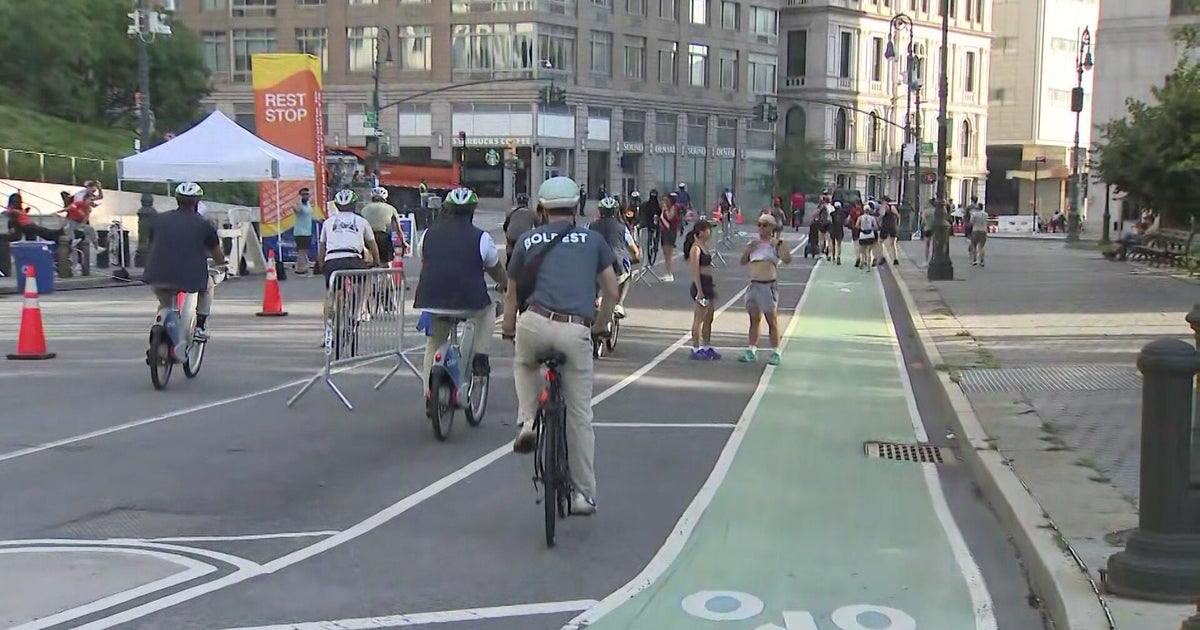
Manhattan Transit Redirection: Summer Streets Program Enters Second August Weekend

Chennai Real Estate Leaders Propose Increased Height Limits to Support Luxury Development

NTR District Mobilizes Coordinated Strategy to Combat Trafficking and Forced Labor
