
Celestial Alignment Meets Seasonal Storms: The 2026 Solar Eclipse Forecast
On Wednesday, August 12, 2026, a solar eclipse will span from the northern United States to Western Europe, featuring a rare sunset totality in parts of Spain and Africa. Meteorological projections suggest heat waves may offer clear skies for European viewers while localized summer storms threaten v
Key takeaways
- A total solar eclipse will traverse from Russia and Greenland through Iceland and northern Spain on August 12, 2026.
- Observers in New England and the Northern Plains have the best weather outlook in the U.S. for partial viewing.
- Western Europe expects clear skies due to a heat wave, though wildfire smoke remains a potential visibility risk.
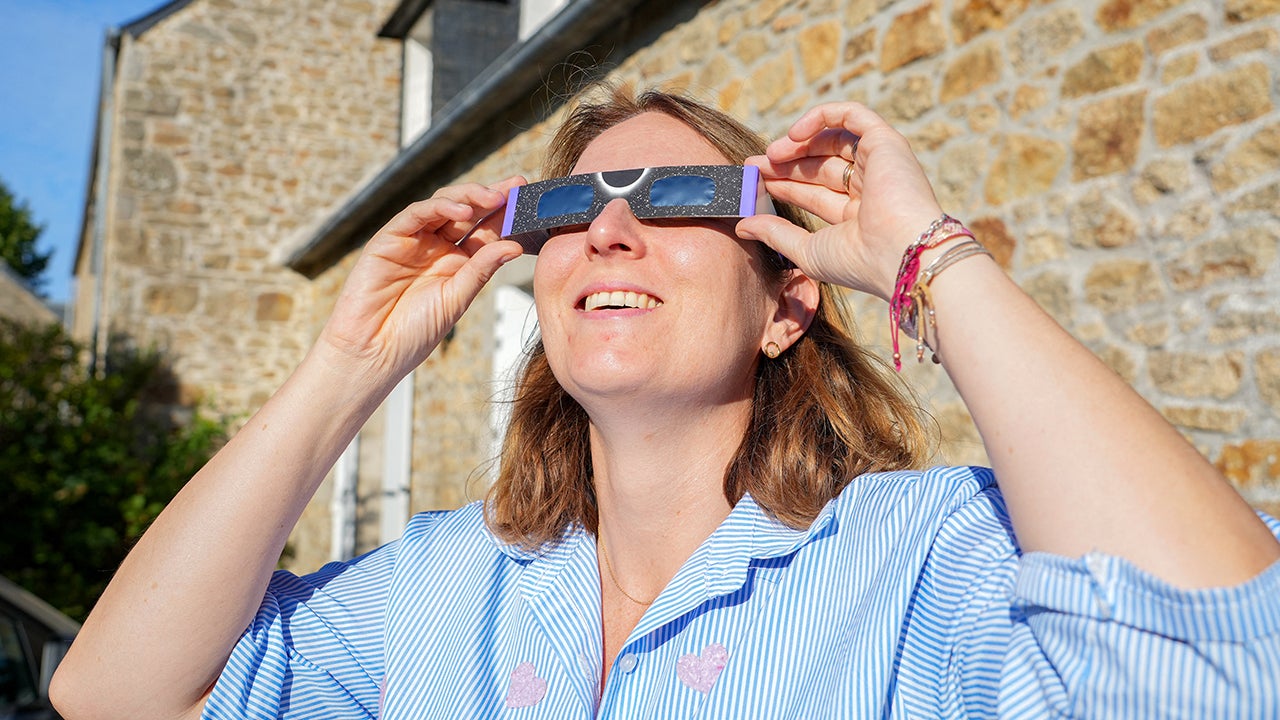
- Viewing any stage of the eclipse without certified solar protection can cause severe and permanent eye damage.
The Path of Totality
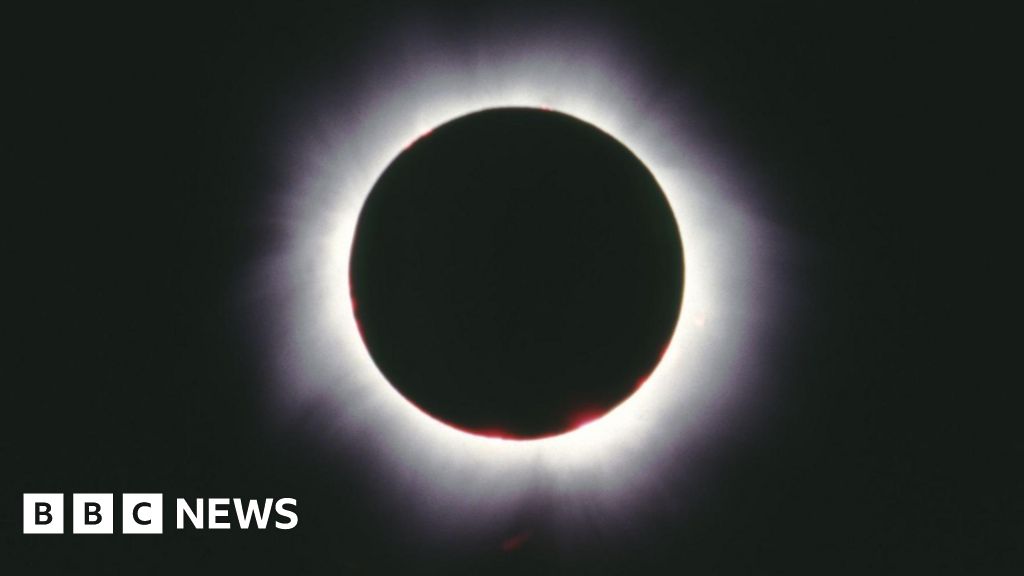
A specific corridor stretching from extreme northern Russia across eastern Greenland, western Iceland, and into northern Spain will witness a total solar eclipse. During this window, which lasts approximately two minutes, the moon will entirely obscure the sun. This rare alignment allows observers within the red path to see the corona, the outermost layer of the solar atmosphere, with the naked eye.
Regions outside this narrow path, including Canada and the northern and eastern United States, will experience a partial eclipse. The event follows a chronological progression starting with morning visibility in Alaska and northern Canada, transitioning to the northern U.S. and eastern Canada by early afternoon, and concluding with an evening eclipse across Western Europe and northwest Africa.
Atmospheric Conditions and Visibility
Summer weather patterns present a distinct set of challenges for celestial observation. Unlike the broad low-pressure systems of winter, August viewing depends on the absence of localized thunderstorms and wildfire smoke. In Europe, a projected heat wave may actually benefit observers by providing stable, clear skies across Spain, Portugal, France, and southern England, provided smoke from regional fires does not interfere.
Conversely, the outlook for North America is more varied. While New England and the Northern Plains currently show the highest potential for clear viewing, cloud cover and precipitation may obstruct the view in the Great Lakes, the Canadian Rockies, and southern Alaska. Meteorologists note that precision for these localized shower patterns is only possible as the date approaches.
Key Facts
- The total eclipse path covers northern Russia, Greenland, Iceland, and northern Spain.
- A rare sunset eclipse will occur in parts of Western Europe and northwest Africa.
- Partial visibility extends across the northern United States, Canada, and the U.K.
- Totality lasts a maximum of roughly two minutes.
- Eye safety requires certified eclipse glasses or filters to prevent permanent optical damage.
Background
A solar eclipse occurs when the moon's orbit brings it directly between the Sun and Earth, casting a shadow across the planet's surface. According to data from the NASA Scientific Visualization Studio, the August 12 event is unique due to the specific latitude of the path of totality and the timing, which aligns with the sunset in several major European population centers. This event serves as a rare opportunity to study the solar corona, which is generally invisible due to the sun's brilliance.
Source: The Weather Channel
Related stories
Yorkshire Faces Near-Total Darkness in Region’s Deepest Eclipse Since 1999

UK Prepares for Rare 96% Solar Eclipse: Best Vantage Points and Safety Protocols

North Gujarat Weather Update: Brief Respite Followed by Fresh Monsoon Round
