Crude Prices Rebound as Markets Await Resolution on Strait of Hormuz Access
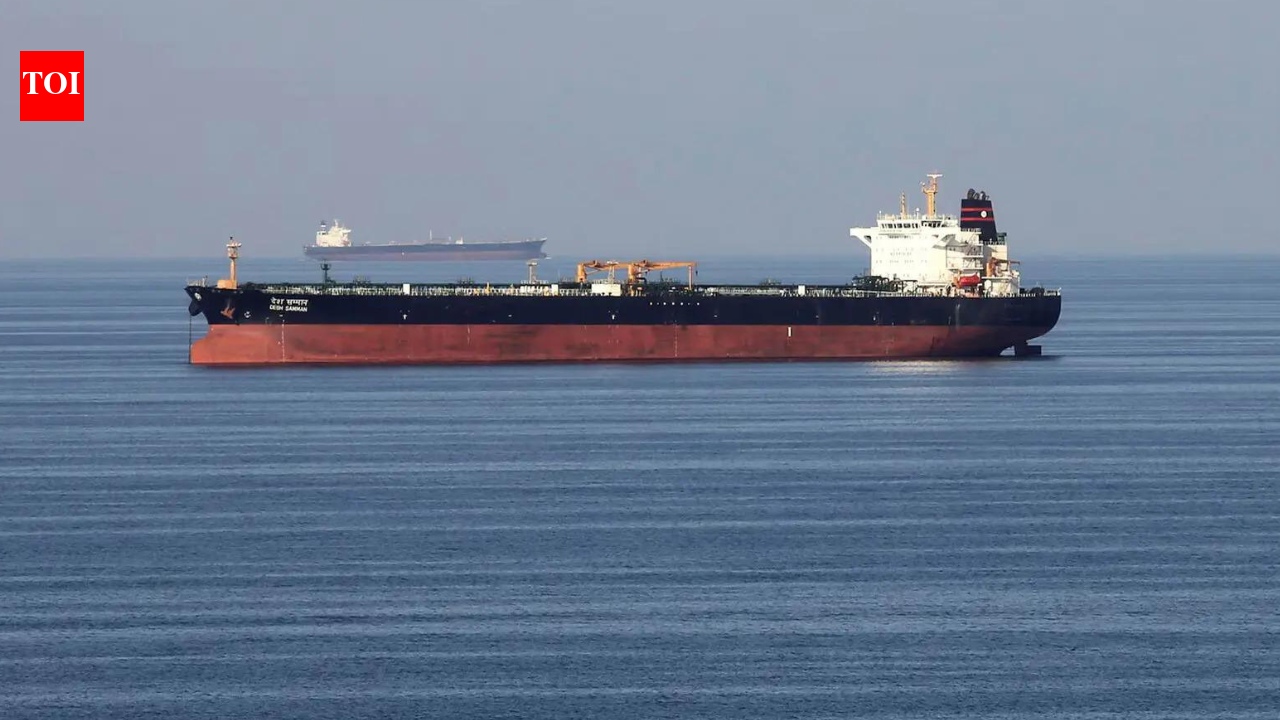
Oil benchmarks rose Friday as traders monitored stalled diplomatic efforts to secure passage through the Strait of Hormuz. Despite the daily gain, prices ended the week down significantly amid conflicting reports of transit restrictions.
Key takeaways
- Brent crude rose over 1% to $83.55 while WTI settled at $78.18 as markets awaited news on the Strait of Hormuz.
- Despite Friday's gains, oil prices plummeted more than 7% over the course of the week.
- Ship traffic through the Strait fell 33% on Friday, with most vessels redirected through Iranian waters according to Kpler.
- Iran is considering a draft law to ban U.S. and Israeli ships and demand compensation from other hostile nations for transit rights.

Market Response to Geopolitical Volatility
International oil benchmarks shifted upward on Friday, recovering a portion of the week's steep losses. Brent crude futures increased by more than 1%, closing at $83.55 per barrel, while U.S. West Texas Intermediate settled at $78.18 per barrel after a similar 1% gain. Despite this rally, the week concluded with a total price decline exceeding 7%.
Stalled Diplomatic Expectations
Market participants are currently tracking anticipated agreements regarding freedom of navigation. Earlier in the week, Treasury Secretary Scott Bessent suggested a deal to reopen the Strait of Hormuz could materialize as early as Wednesday. These expectations were supported by comments from President Donald Trump and Secretary of State Marco Rubio, who both described a resolution as imminent. However, no official agreement has been finalized.
Key Facts
- Ship traffic through the Strait of Hormuz dropped 33% on Friday compared to the previous day.
- Kpler data indicates that most active vessels are currently utilizing the Iranian route.
- Iran and Oman are reportedly negotiating a transit plan where inbound traffic uses Iranian waters and outbound ships use Omani waters.
- A draft plan published by Iranian state media outlet Fars proposes a total ban on U.S. and Israeli vessels.
- The Iranian proposal includes conditions requiring compensation from nations deemed to have harmed Iran before they are granted passage.
Strategic Impasse in the Strait
While regional neighbors Oman and Iran discuss defining transit lanes, the legislative environment in Tehran remains restrictive. The Iranian parliament is currently reviewing a draft plan that would codify transit bans for specific nations. This legislative friction contrasts with the White House's earlier optimism regarding a swift return to open navigation in one of the world's most vital maritime corridors.
Source: CNBC
Related stories

Riyadh-Ankara-Islamabad Accord: A New Operational Challenge for Indian Defense

Trump Forecasts Imminent Resolution to Middle East Conflict Amid Hormuz Negotiations
Iran Proposes Strait of Hormuz Transit Fees and US-Israel Vessel Ban