
Iran Proposes Strait of Hormuz Transit Fees and US-Israel Vessel Ban
Tehran and Muscat are reportedly finalizing a deal to manage the critical Strait of Hormuz by imposing strict vessel restrictions and fees. The proposal targets American and Israeli shipping following the military hostilities that began in February.
Key takeaways
- Tehran seeks to bar US and Israeli-flagged ships from the Strait of Hormuz as part of a proposed management deal with Oman.
- The agreement under review by Iran's parliament includes new fees for insurance and environmental costs for passing vessels.
- President Trump claims negotiations are progressing, but analysts warn that both sides are increasing their demands rather than conceding.
- A full reopening of the waterway likely requires the lifting of the US maritime blockade and potential oil sanction waivers.
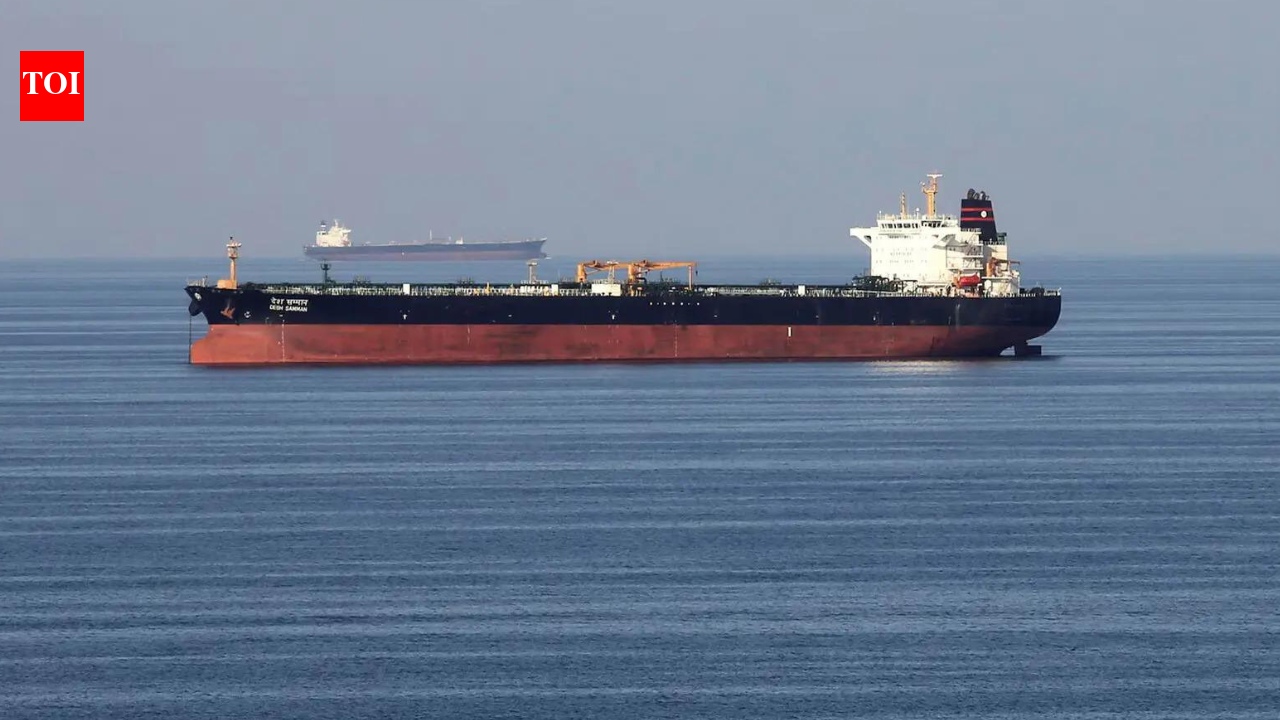
The Proposed Maritime Accord
Leaked details of a potential agreement between Iran and Oman reveal a plan to restructure control over the Strait of Hormuz. According to reports from the semi-official Fars news agency, the draft mandates that Iran manage vessel entry while exiting traffic falls under joint Iranian-Oman oversight. A central pillar of this proposal involves barring US and Israeli-flagged ships from the waterway entirely. Furthermore, Tehran seeks financial compensation from countries it labels as hostile before permitting transit through the vital passage.
Stalled Energy Flows and Political Friction
Global energy markets await a resolution to the Hormuz shutdown, which has persisted since US and Israeli forces attacked Iran in February. While President Donald Trump stated on Thursday that negotiations are moving along good, analysts remain skeptical. Thomas Warrick, a former State Department official now with the Atlantic Council, observed that instead of compromise, both nations appear to be hardening their stances. The US has consistently demanded a return to pre-war status quo and free transit, while Tehran insists on ending the American maritime blockade and potentially securing sanctions waivers similar to those in a failed June agreement.
Key Facts
- The proposed deal includes a ban on all cargo linked to Israel and a new fee structure for environmental costs and insurance.
- Fars news agency reported recent Iranian naval strikes against hostile targets at the entrance of the Strait.
- Commercial vessels with US or Israeli investment may face scrutiny due to complex ownership structures, despite few flagged ships currently operating in the Gulf.
- The Iranian parliament is currently reviewing the text of the Oman-brokered agreement.
- Recent polling indicates the ongoing conflict has become a liability for the US administration ahead of the upcoming midterm elections.
What Happens Next
The outcome hinges on whether the US will accept Iranian management of the waterway after claiming military victory. Washington must also decide if it will revisit the terms of the short-lived June accord, which involved waiving oil sanctions. As the midterm elections approach, the pressure to end the blockade and restore energy flows through the Persian Gulf continues to mount against the backdrop of ongoing naval skirmishes.
Source: The Times of India
Related stories

Crude Prices Rebound as Markets Await Resolution on Strait of Hormuz Access

Tehran and Muscat Near Agreement to Reopen Vital Oil Transit via Strait of Hormuz

Trump Forecasts Imminent Resolution to Middle East Conflict Amid Hormuz Negotiations
