
Tehran and Muscat Near Agreement to Reopen Vital Oil Transit via Strait of Hormuz
Officials from the United States and Iran indicate a framework is in place to restore commercial shipping through the Strait of Hormuz. This development occurs as regional maritime traffic has plummeted by nearly 95 percent since the onset of hostilities.
Key takeaways
- A framework agreement between Iran and Oman may soon allow the resumption of commercial oil shipments through the Strait of Hormuz.
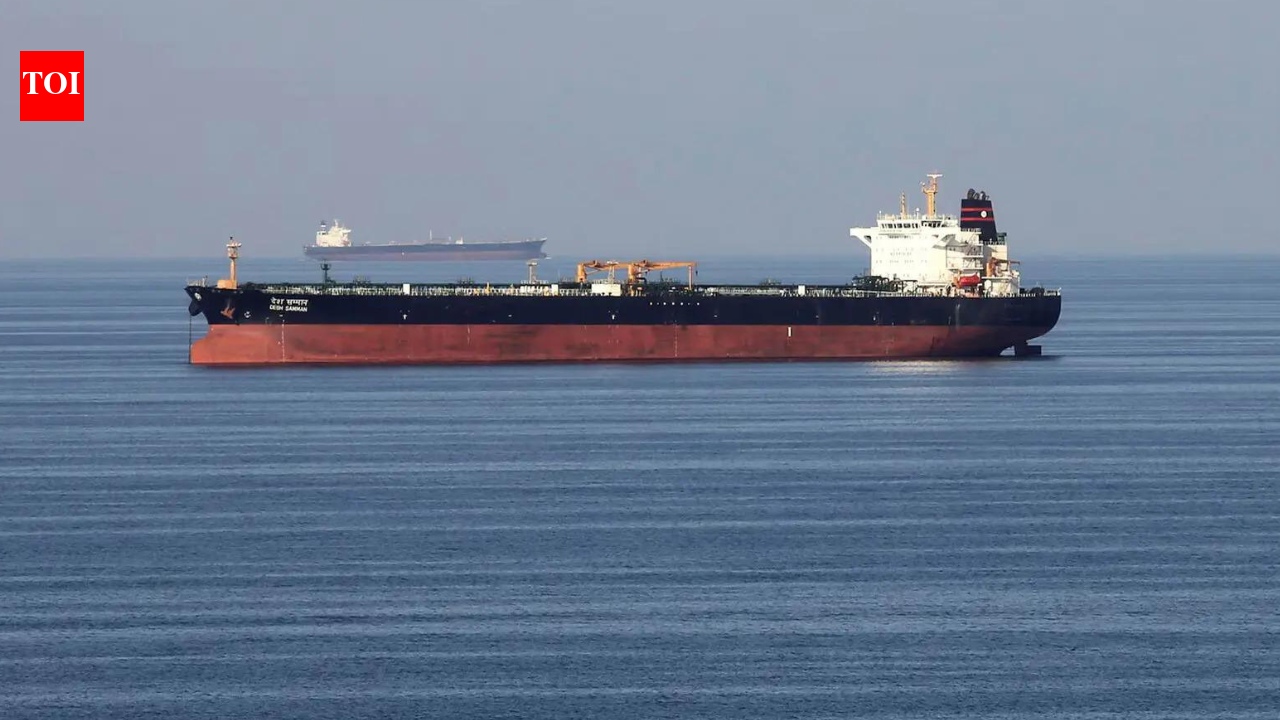
- Maritime data shows Strait of Hormuz traffic has collapsed from 140 ships per day to only eight on recent peak days.
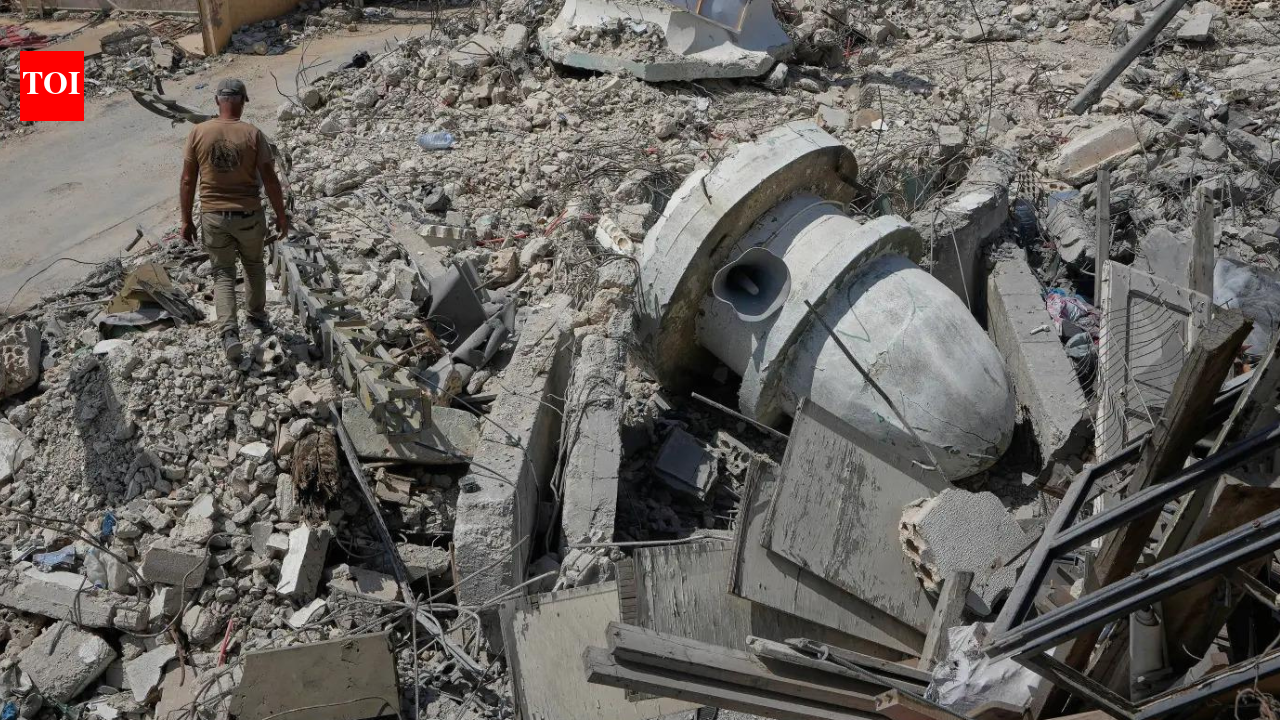
- The Lebanese Health Ministry confirmed that Israeli military operations have resulted in over 4,335 deaths since March.
- The US Army is accelerating private weapons testing to address critical shortages in missile and drone inventories.
Why It Matters
The Strait of Hormuz serves as the world's most critical maritime chokepoint, historically facilitating 20 percent of global oil and gas shipments. The current conflict has reduced traffic from 140 daily transits to single digits, threatening global energy stability and local economies. A successful agreement between Iran and Oman could alleviate the blockade and stabilize international energy markets.
Key Facts
- Lebanese health officials report 4,335 fatalities and over 12,270 injuries resulting from Israeli strikes since March 2.
- Daily commercial transits through the Strait of Hormuz fell to just eight vessels this Thursday, down from a pre-war average of 140.
- The United States Army is opening military testing ranges to private defense firms to replenish missile and drone stockpiles depleted by the conflict.
- A newly signed defense pact between Saudi Arabia, Turkiye, and Pakistan has received formal endorsement from the Organisation of Islamic Cooperation.
- Iran's Deputy Foreign Minister Kazem Gharibabadi asserts that Gulf security must be managed by regional states without foreign intervention.
Background
The diplomatic push follows months of economic and military friction. Iranian Foreign Minister Abbas Araghchi recently characterized the nation's military readiness as a successful challenge to the world's most well-funded armed forces. Meanwhile, in Washington, Senators have introduced a resolution aimed at ending what they characterize as an illegal war effort against Iran. The logistical strain of the conflict is evident in the Pentagon's new initiative to bypass bureaucratic delays, allowing private contractors to test lethal technologies in as little as 12 months rather than the traditional multi-year cycle.
What Happens Next
The proposed shipping framework currently awaits final authorization from Iran’s senior leadership. If ratified, the United States has signaled it will lift port blockades once unimpeded commercial traffic resumes. Observers are also monitoring the impact of the Saudi-Turkiye-Pakistan defense agreement on regional power dynamics as the OIC positions the pact as a new pillar of Islamic security.
Source: The Times of India
Related stories
Iran Proposes Strait of Hormuz Transit Fees and US-Israel Vessel Ban

Crude Prices Rebound as Markets Await Resolution on Strait of Hormuz Access

Trump Forecasts Imminent Resolution to Middle East Conflict Amid Hormuz Negotiations
