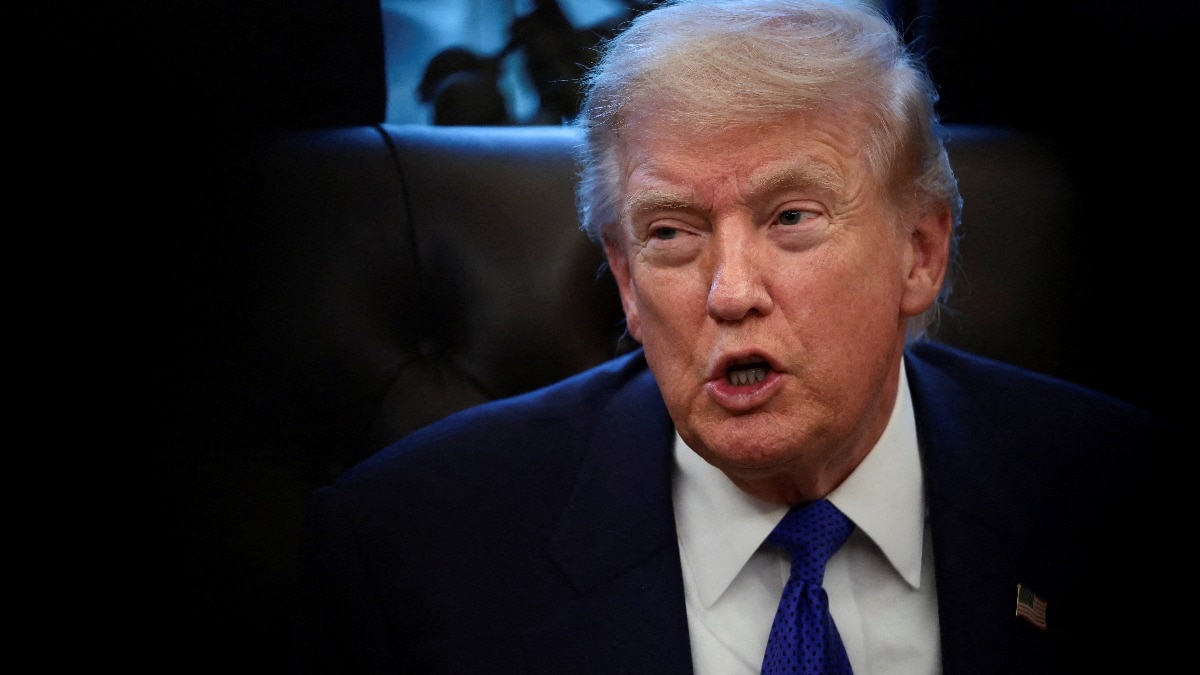
Netanyahu Rejects Trump's 15-Point Gaza Roadmap Amid Coalition Pressure
Prime Minister Benjamin Netanyahu has formally stated that Donald Trump's new 15-point peace plan for Gaza is unacceptable to Israel. The rejection comes despite a reduction in Israeli military activity and ongoing U.S. pressure to resolve the conflict before the October elections.
Key takeaways
- Prime Minister Netanyahu has officially rejected the U.S.-led 15-point roadmap for Gaza, citing its terms as unacceptable.
- Israel demands total disarmament of Hamas before any military withdrawal, opposing the 'sector-by-sector' transition proposed by U.S. envoys.
- Internal Israeli political dynamics and the upcoming October 27 election are complicating the adoption of the peace plan.
- Despite diplomatic friction, the Israeli military has recently reduced the intensity of its operations and ceased targeted assassinations.
What Happened
Israeli Prime Minister Benjamin Netanyahu has publicly dismissed a 15-point roadmap proposed by Donald Trump aimed at ending the conflict in Gaza. In televised comments to his cabinet, Netanyahu emphasized that Israel would not withdraw its military forces until Hamas is completely disarmed of all heavy and light weaponry. This stance contradicts elements of the U.S. plan, which involves a sector-by-sector withdrawal of Israeli troops as an International Stabilization Force and a new Palestinian police force take control of the enclave.
Background
The proposed roadmap follows a U.S.-mediated ceasefire reached in October 2025. While Trump previously announced a breakthrough involving Hamas agreeing to lay down weapons, significant disputes remain regarding the sequence of actions. Hamas officials state they have agreed to hand over arms to a Palestinian technocrat administration supervised by a U.S.-backed board, but they insist on an initial Israeli withdrawal and a complete cessation of attacks. Conversely, members of Netanyahu's right-wing government, including Finance Minister Bezalel Smotrich, have demanded that the military not retreat even a millimeter from the territory.
Why It Matters
Netanyahu is currently navigating a difficult political environment ahead of an election scheduled for October 27. He faces internal pressure from far-right ministers who oppose concessions and external pressure from the United States to finalize a peace agreement. While the Israeli military has scaled back operations and halted targeted assassinations since Monday following meetings with U.S. envoys, the Prime Minister's rejection of the 15-point document suggests a significant diplomatic impasse between Israel and its primary military backer.
Key Facts
- The U.S. proposal is a 15-point roadmap for ending the war in Gaza.
- Netanyahu has stated that Israel will not withdraw until Hamas is fully disarmed of all weaponry.
- Since Monday, Israel has restricted its military actions in Gaza to immediate threats, halting targeted assassinations.
- Israel is scheduled to hold elections on October 27.
- More than 1,250 people have been killed in Israeli attacks since the October 2025 ceasefire.
- The plan includes the deployment of an International Stabilization Force and a new Palestinian police force.
Sources reviewed
Project Chintan independently synthesized and analyzed information cross-checked across the sources listed above.
Related stories
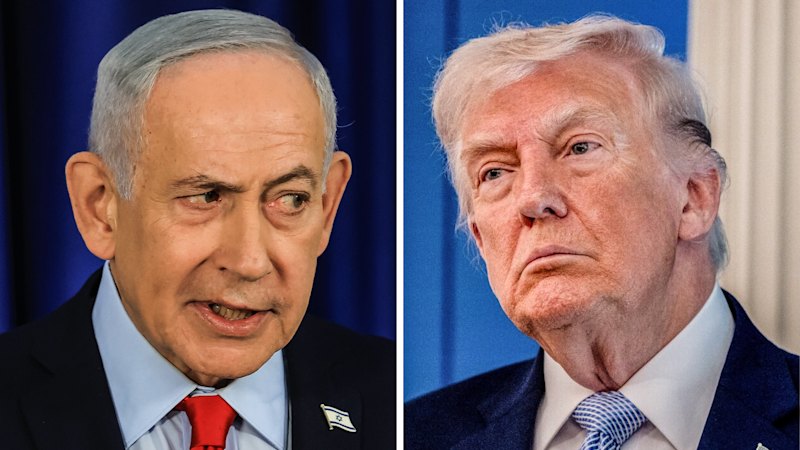
Netanyahu Formally Rejects 15-Point Gaza Roadmap Endorsed by Trump Administration

Vance Cites Diplomatic Progress as Iran Sets Conditions for Strait of Hormuz Access