
Trump Shifts Iran Strategy Toward Economic Attrition and Naval Pressure
President Donald Trump signaled a pivot from military strikes to economic warfare as the U.S. monitors Iran's rising inflation and liquidity crisis. The administration is prioritizing the reopening of the Strait of Hormuz over immediate nuclear concessions.
Key takeaways
- The Trump administration is transitioning from military threats to a strategy of 'low-key' economic pressure.
- Stability in global oil prices at $75 per barrel has provided the U.S. with strategic flexibility to avoid immediate escalation.
- U.S. leadership may prioritize the reopening of the Strait of Hormuz over securing a comprehensive new nuclear agreement.
- Iran has increased its demands for a deal, calling for a total U.S. military withdrawal and war reparations.
What Happened
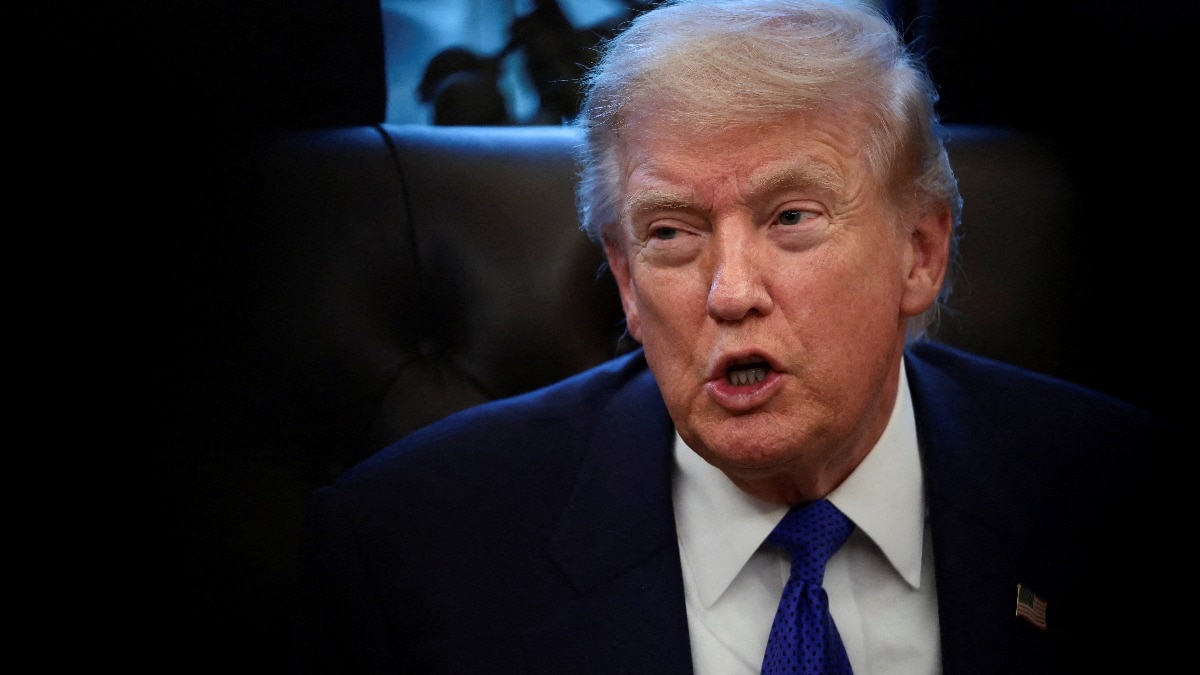
In a recent communication, President Donald Trump indicated a strategic shift in the U.S. approach toward Iran, moving away from the prospect of immediate military strikes. The administration is now focused on a strategy of economic attrition, citing Iran's internal financial instability and high inflation. Trump noted that Iran is currently in a weakened economic position, struggling to pay its military forces due to the impact of the ongoing U.S. naval blockade and existing sanctions.
Background
The transition to a lower-intensity approach follows advice from Gulf allies who encouraged Washington to let diplomatic and economic pressures materialize. This shift occurs as oil prices remain stable at approximately $75 per barrel, reducing the domestic political pressure on the White House to resolve the conflict through rapid military escalation. Concurrently, negotiations involving Oman, Qatar, and Pakistan have attempted to secure a framework for the Strait of Hormuz, though a final agreement remains elusive.
Key Facts
- Iran's Supreme National Security Council has introduced new conditions for reopening the Strait of Hormuz, including the permanent cessation of war, the lifting of the naval blockade, and the withdrawal of U.S. forces.
- The U.S. has rejected Iranian demands to impose tolls on commercial shipping and requires unrestricted access through the strategic waterway.
- Tehran is demanding the release of frozen assets, compensation for war damages, and an end to U.S. sanctions.
- Internal U.S. policy discussions suggest a willingness to deprioritize a new nuclear deal if Iran restores full shipping access through the Strait.
What Happens Next
The U.S. calculation rests on the belief that Iran cannot easily rebuild its nuclear infrastructure under current financial constraints. While Iranian officials, led by Mohammad Bagher Zolghadr, maintain a hardline stance on U.S. regional withdrawal, Washington appears prepared to maintain the status quo of economic pressure and naval blockades to force a resolution on shipping rights.
Sources reviewed
Project Chintan independently synthesized and analyzed information cross-checked across the sources listed above.
Related stories

Philippine Fuel Prices Set for Sharp Decline Amid US-Iran Diplomatic Optimism
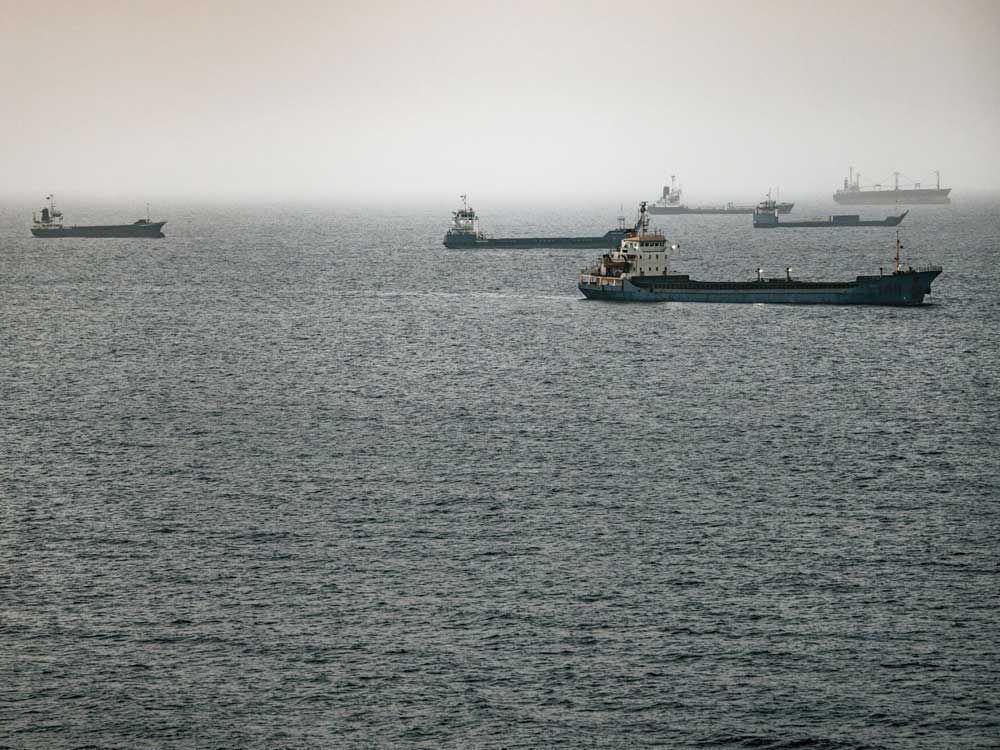
Iranian Revolutionary Guard Maintains Blockade of Strait of Hormuz Over U.S. Demands
Netanyahu Formally Rejects Trump Peace Board Plan for Gaza Over Disarmament Sequencing
