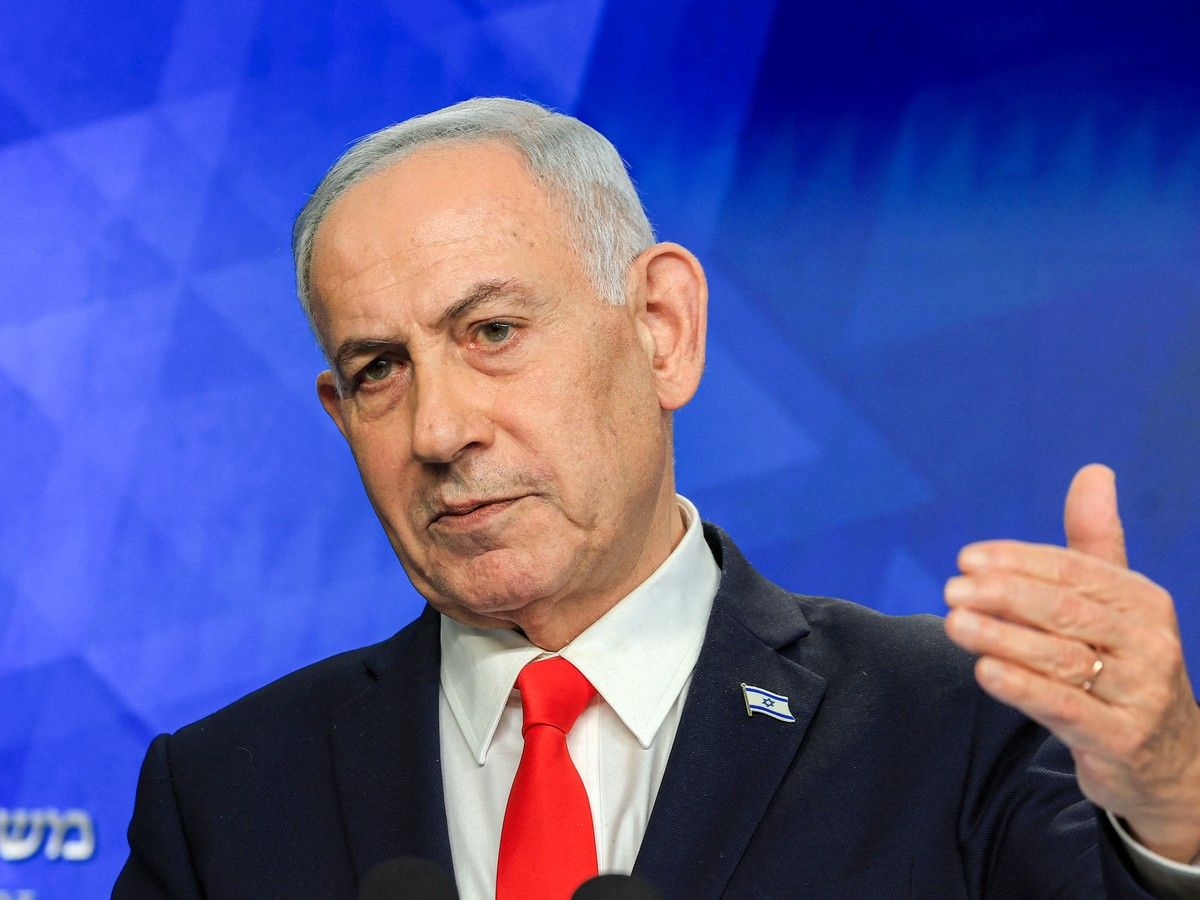
Netanyahu Pledges to Block Iranian Nuclear Capability Amid Strait of Hormuz Blockade
Israeli Prime Minister Benjamin Netanyahu has vowed to prevent Iran from obtaining nuclear weapons regardless of diplomatic outcomes. Meanwhile, Iran maintains its blockade of the Strait of Hormuz, demanding U.S. compensation for war damages.
Key takeaways
- Benjamin Netanyahu maintains a policy of preventing Iranian nuclear armament irrespective of diplomatic agreements.
- Iran refuses to reopen the Strait of Hormuz until the United States pays war damages and meets other preconditions.
- Iran and Oman are finalizing a deal on waterway administration, but it does not guarantee the immediate resumption of transit.
- Tensions remain high in Gaza as Netanyahu rejects U.S.-backed plans, demanding complete disarmament of Hamas forces.

What Happened
Israeli Prime Minister Benjamin Netanyahu declared during an August 9, 2026, cabinet meeting that he will prevent Iran from acquiring nuclear weapons, asserting this position holds regardless of whether a formal agreement is reached. This statement coincides with a period of intense regional friction involving a continued maritime blockade and stalled diplomatic efforts between Washington and Tehran.
Simultaneously, Iran’s Revolutionary Guards confirmed the Strait of Hormuz remains closed. The blockade, which began following U.S. and Israeli military actions in late February, will not be lifted until the United States satisfies specific conditions. These demands include payment for war damages and a correction of U.S. behavior. Iran has signaled it intends to implement tolls for passage through the waterway and has targeted vessels it claims are attempting to bypass its mandated routes.
Background
The current maritime crisis stems from an effective Iranian blockade established in early 2026. While Iran and Oman have indicated that negotiations regarding the administration of the waterway are reaching final stages, Iranian Foreign Minister Abbas Araqchi stated that these talks will not immediately result in the reopening of the strategic channel. Currently, Iran refuses direct engagement with the U.S., citing breaches of an interim June agreement, though the two nations continue to exchange messages via intermediaries.
Key Facts
- Prime Minister Netanyahu stated that Iran will not have nuclear weapons as long as he remains in office, with or without a diplomatic deal.
- Iran’s Revolutionary Guards are demanding compensation for war damages as a condition for reopening the Strait of Hormuz.
- The United Arab Emirates accused Iran on August 8, 2026, of targeting a state-owned oil tanker.
- Hamas officials have called on U.S. mediators to pressure Israel into adhering to a Gaza roadmap, which Netanyahu has rejected, citing the need for Hamas to disarm.
- An agreement between Tehran and Muscat concerning the Strait of Hormuz is reportedly in its final stages.
What Happens Next
The regional situation remains contingent on whether the U.S. addresses Tehran's demands for compensation and adherence to previous agreements. In Israel, Netanyahu faces internal political and electoral pressures as he resists the U.S.-backed Gaza plan, insisting on the full disarmament of Hamas before any withdrawal. The maritime sector faces ongoing disruptions as Iran maintains its toll-based transit policy and continues to strike ships that do not follow its preferred maritime routes.
Sources reviewed
Project Chintan independently synthesized and analyzed information cross-checked across the sources listed above.
Related stories
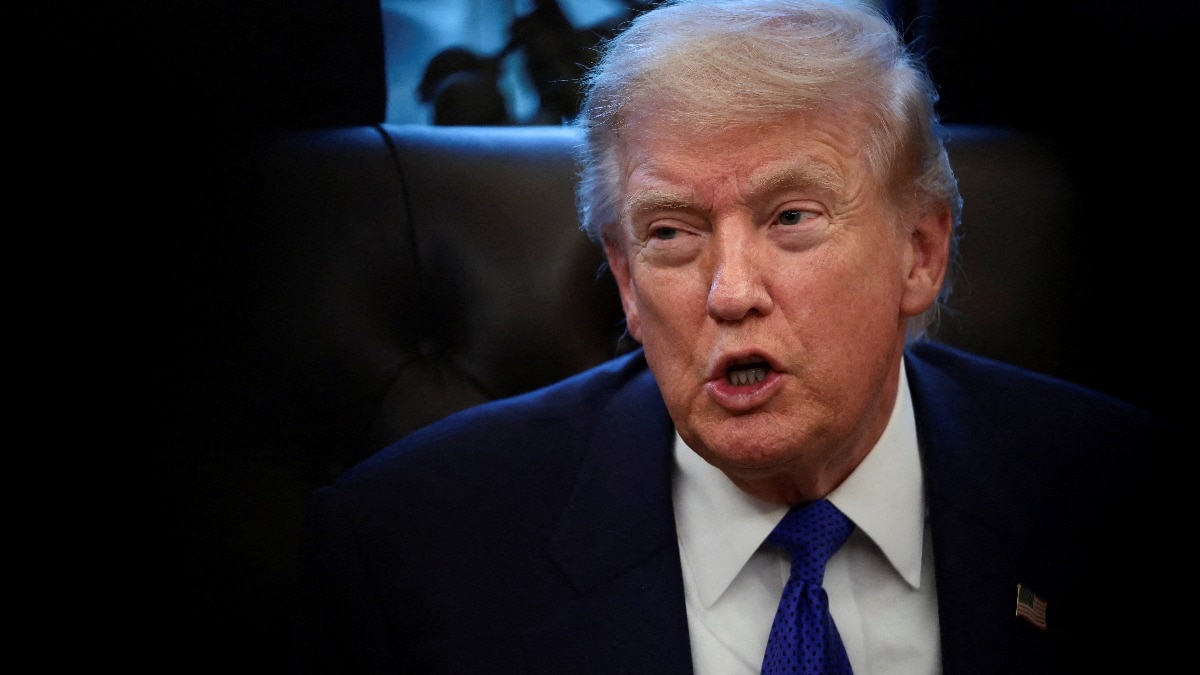
Trump Shifts Iran Strategy Toward Economic Attrition and Naval Pressure
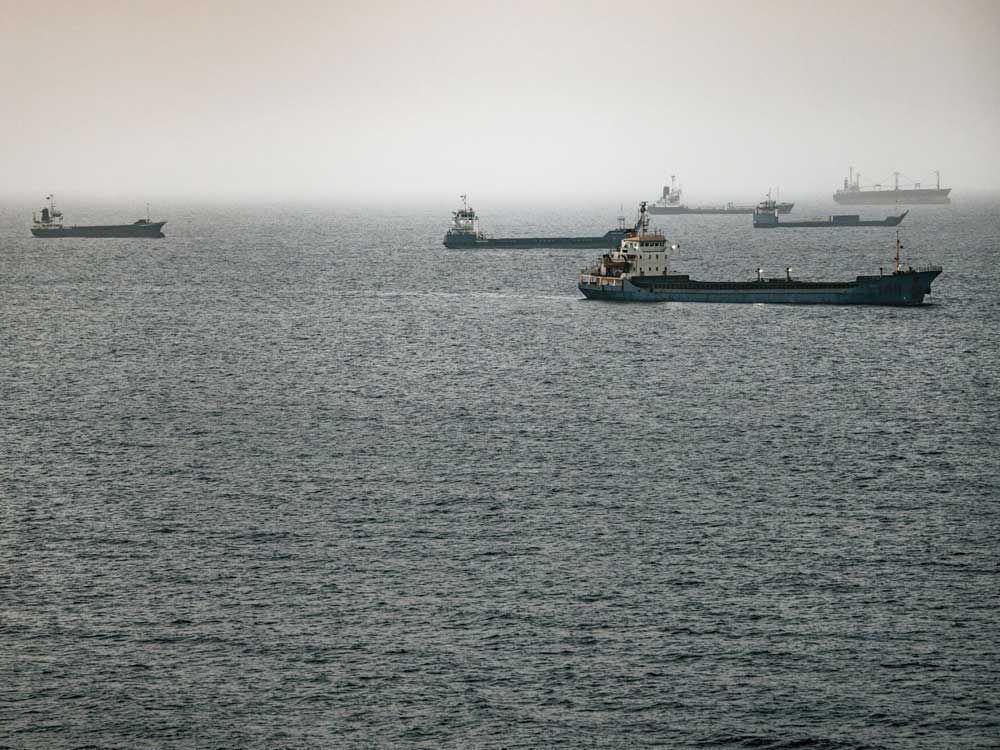
Iranian Revolutionary Guard Maintains Blockade of Strait of Hormuz Over U.S. Demands

Indo-U.S. Maritime Forces Launch Specialty Disposal Training in Kochi