Netanyahu Formally Rejects 15-Point Gaza Roadmap Endorsed by Trump Administration
Prime Minister Benjamin Netanyahu has officially rejected a 15-point proposal for Gaza's post-war administration, despite public endorsement from U.S. President Donald Trump. The rejection centers on a phased withdrawal of Israeli forces, which Netanyahu maintains cannot occur until Hamas is fully d
Key takeaways
- Prime Minister Netanyahu has explicitly ruled out the 15-point Gaza roadmap proposed by the U.S.-backed Board of Peace.
- The disagreement centers on the timing of IDF withdrawals, which Israel insists must only follow complete Hamas disarmament.
- Hamas has agreed to the plan conditionally, while the Trump administration continues to support the roadmap as a historic milestone.
- Internal Israeli politics and the upcoming October 27 election are influencing Netanyahu's harder stance against the international proposal.
What Happened
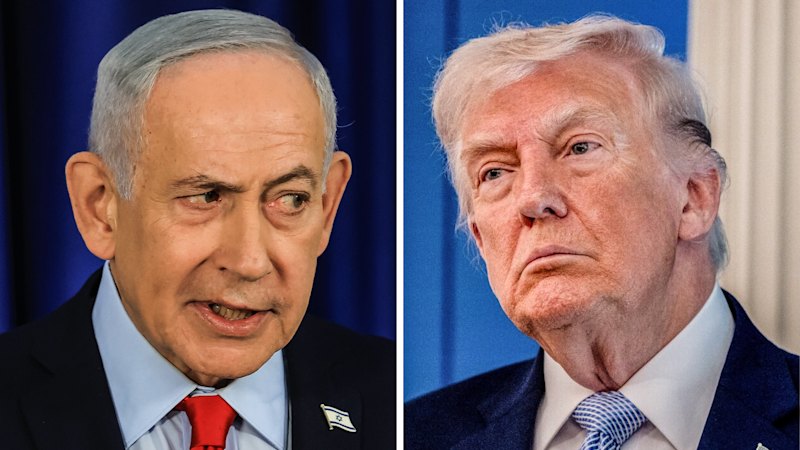
Israeli Prime Minister Benjamin Netanyahu formally announced during a cabinet meeting on Sunday that Israel will not accept a 15-point roadmap designed to stabilize post-war Gaza. The plan, drafted by the Board of Peace to implement President Donald Trump’s vision for the territory, includes provisions for a phased withdrawal of the Israel Defense Forces (IDF) in exchange for the disarmament of Hamas.
Netanyahu stated that the IDF will remain in Gaza and will not conduct any withdrawals until Hamas is genuinely disarmed. While Netanyahu acknowledged the U.S. President as a close ally, he emphasized that Israel would resist specific elements of the American proposal that do not align with its security requirements. The Board of Peace had characterized the agreement as a deal primarily between the mediators and Hamas, rather than a final treaty with Israel.
Background
The conflict originated following the October 7, 2023, invasion of Israel by Hamas. Since October 2026, diplomatic progress on a permanent settlement has slowed as the IDF advanced into areas where approximately 2 million Palestinians are currently located. The roadmap in question was intended to build on an initial ceasefire phase clinched in October. President Trump had previously described the 15-point document as a "major milestone" and an "historic agreement."
Key Facts
- The rejected proposal is a 15-point document published by the Board of Peace, an international consortium.
- Hamas gave hedged consent to the plan, offering to surrender heavy weapons to a new administration in exchange for Israeli withdrawal and the pursuit of a Palestinian state.
- The plan allows individual Palestinians to retain small arms, a point of contention for Israeli security officials.
- Nickolay Mladenov, the Board of Peace envoy, stated that decommissioning Hamas tunnels could take years and that Israel is not required to act before verified disarmament steps occur.
- Netanyahu faces an upcoming election on October 27, with polls showing the Gaza plan is unpopular among his right-wing political base.
What Happens Next
Hamas officials have called on the United States to pressure the Israeli government to adhere to the roadmap. Meanwhile, the Board of Peace indicated it will continue discussions with Israeli officials, hoping for a positive outcome despite the current rejection. The IDF maintains it will continue operations to thwart threats against its forces and citizens while the diplomatic stalemate persists.
Sources reviewed
Project Chintan independently synthesized and analyzed information cross-checked across the sources listed above.
Related stories

Fighter Jets Intercept Aircraft Over Trump Golf Course Following Airspace Violations

Hubris and Authority: Examining Presidential Statements on Unilateral Power
Netanyahu Rejects Trump's 15-Point Gaza Roadmap Amid Coalition Pressure