
Vance Cites Diplomatic Progress as Iran Sets Conditions for Strait of Hormuz Access
Vice President JD Vance reports ongoing negotiations with Iran to reopen the Strait of Hormuz, amid a six-point list of demands issued by Tehran. The diplomatic tension coincides with new regional defense pacts and escalating military friction in Yemen.
Key takeaways
- Vice President Vance confirmed Iran has stated it does not plan to toll the Strait of Hormuz during ongoing talks.
- Iran's Supreme National Security Council is demanding the release of frozen assets and an end to U.S. regional military presence.
- A new defense alliance between Saudi Arabia, Turkey, and Pakistan has triggered warnings from Iran-backed Houthi forces.
- Military tensions are rising in Yemen as government forces strike Houthi positions, threatening a 2022 truce.

What Happened
Vice President JD Vance has confirmed that the United States is engaged in active negotiations to restore access to the Strait of Hormuz. During a recent interview, Vance indicated that Iranian officials have communicated they do not intend to impose tolls on the critical maritime corridor. While characterizing the situation as being in the "middle of the game," Vance noted that diplomatic progress has been observed over the last few days, though he clarified that Tehran has not yet met all requirements set by the Trump administration. President Donald Trump is reportedly directly involved in these discussions.
Background
The negotiations are occurring against a backdrop of rigid demands from the Iranian government. Mohammad Baqer Zulqader, secretary of Iran's Supreme National Security Council, has articulated six specific requirements for what he termed "behavior correction" by the United States. According to the state-run IRNA news agency, these include the cessation of military actions against Iran and its allies in Iraq, Lebanon, Yemen, and the Palestinian territories, the lifting of naval blockades, and the withdrawal of U.S. air and sea forces from the region. Furthermore, Iran is seeking the release of frozen assets, the removal of sanctions, and compensation for damages incurred during previous conflicts.
Why It Matters
The stability of the Strait of Hormuz is vital for global energy security, and the current impasse involves significant regional shifts. Simultaneously, Saudi Arabia, Turkey, and Pakistan have recently established a collective defense agreement in Mecca, where an attack on one signatory is viewed as an attack on all. This new alliance has already drawn warnings from Houthi officials in Yemen, who cautioned Turkey against involvement given the history of conflict between the Iran-backed group and Riyadh. Meanwhile, the 2022 truce in Yemen is facing new pressure as government forces launched retaliatory strikes against Houthi positions following rebel attacks.
Key Facts
- Vice President JD Vance stated Iran has no current plans to toll the Strait of Hormuz.
- Iran has presented six demands to the U.S., including the lifting of sanctions and withdrawal of regional forces.
- Saudi Arabia, Turkey, and Pakistan signed a mutual defense pact one day prior to the Houthi warnings.
- Yemeni government forces conducted strikes on Houthi capabilities across several front lines in response to recent rebel attacks.
- The Strait of Hormuz remains a central point of negotiation involving direct input from President Trump.
Sources reviewed
Project Chintan independently synthesized and analyzed information cross-checked across the sources listed above.
Related stories
Taiwan Targets Record Security Spending to Reach 3% of GDP by 2027
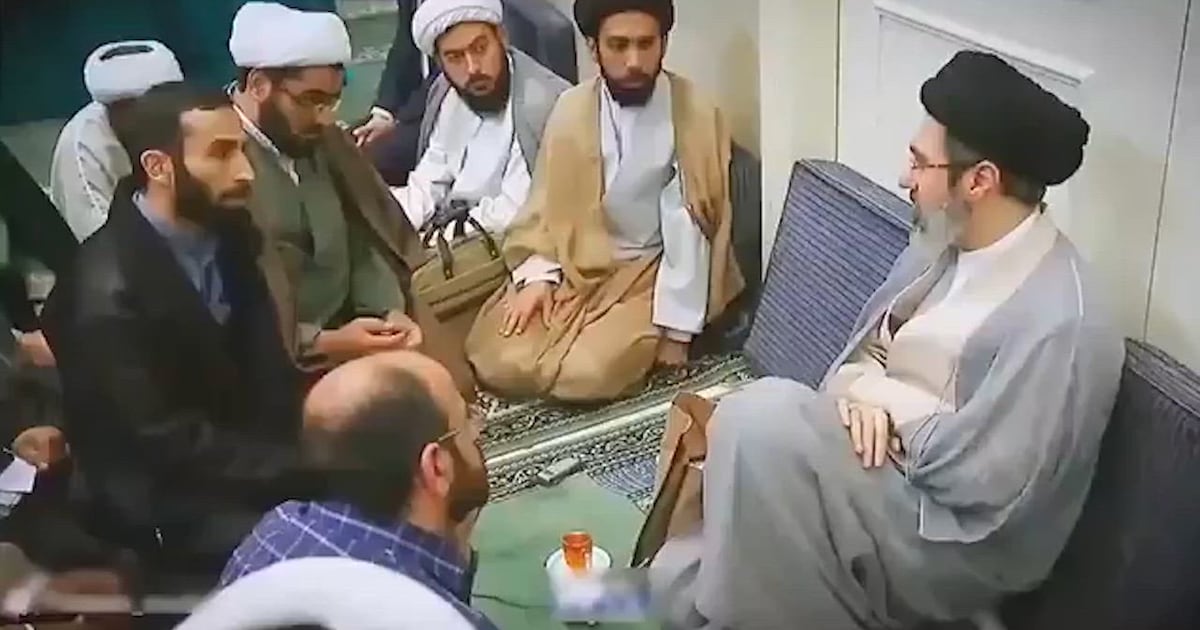
Mystery Surrounds Mojtaba Khamenei After Release of Dated Footage
