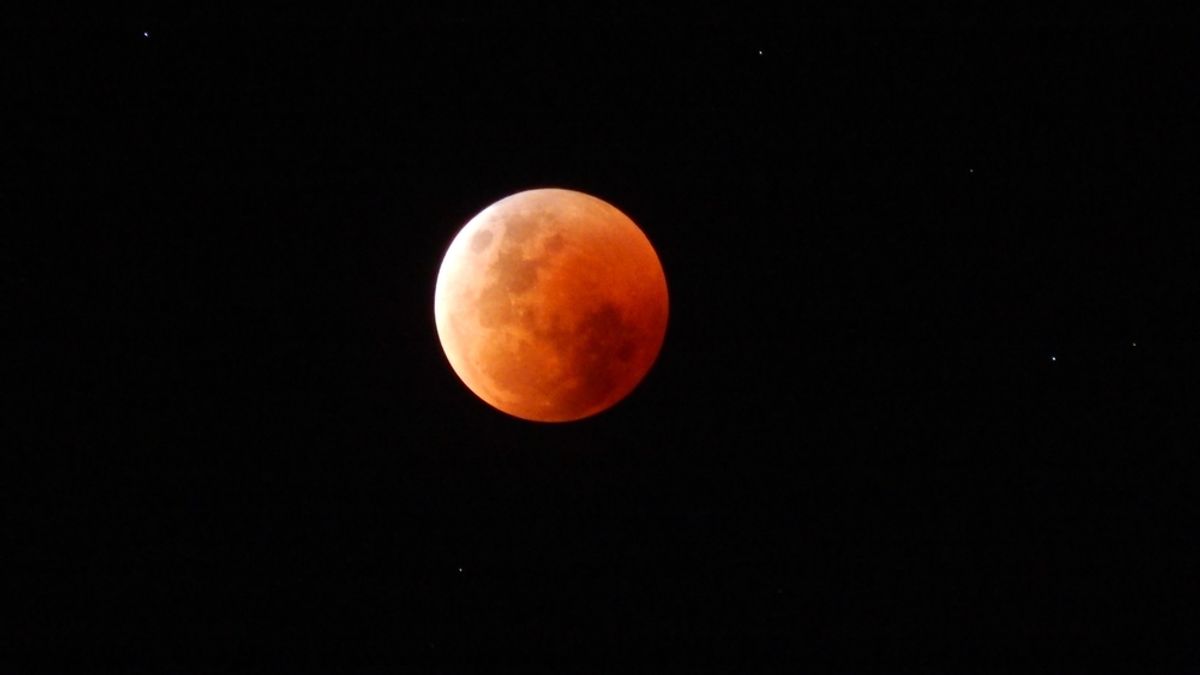
August 2026 partial lunar eclipse: where to watch
Several outlets confirm a partial lunar eclipse on August 27-28, 2026, with up to about 93-96% of the Moon in Earth's shadow. Visibility spans North and South America, parts of Europe and Africa, while India and parts of the Asia-Pacific region see little to no view.
Key takeaways
- The August 2026 lunar eclipse is partial, with the Moon spending most of its disk in Earth's shadow.
- Peak visibility and timing vary by location, with Western U.S. seeing peak after sunset and Europe/Africa observing pre-dawn hours.
- India and several Asia-Pacific regions are not expected to have a view due to daylight or horizon constraints.
What Happened
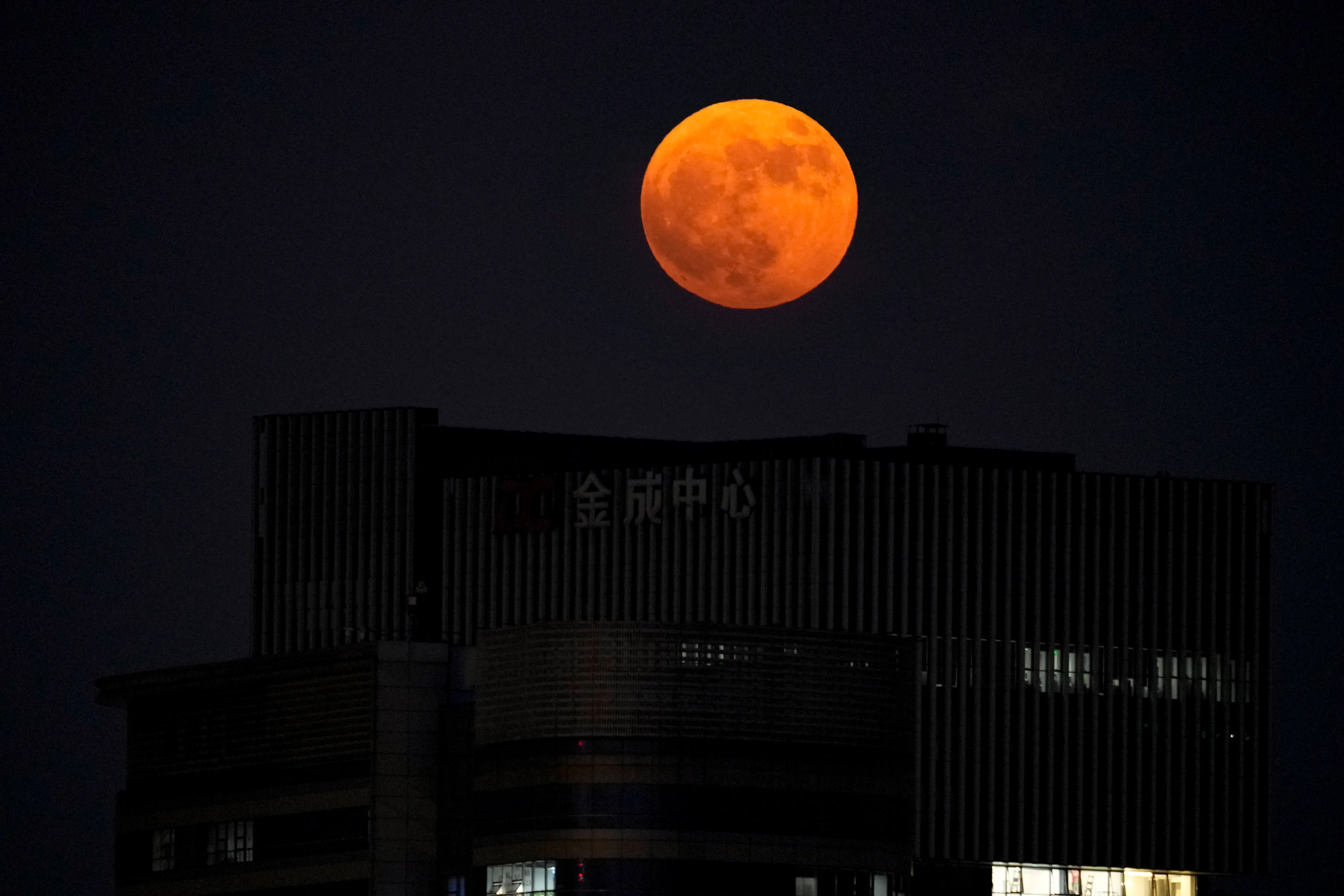
The upcoming event is a partial lunar eclipse occurring late on August 27 into August 28, 2026. Observers may see a large portion of the Moon pass through Earth's umbral shadow, with reports ranging from about 93% to 96% of the Moon within the shadow at maximum. The Moon may take on a reddish or copper hue as sunlight refracts through Earth’s atmosphere. The eclipse will be visible from broad swaths of the Western Hemisphere and portions of Europe and Africa, but not from India, parts of Asia-Pacific, or some regions where daylight makes viewing impractical.
Peak timing varies by location. In North America, locals along the West Coast will experience the peak after sunset, while East Coast viewers see it near midnight. In Europe and Africa, the event occurs in the pre-dawn hours with the Moon near the western horizon. In Universal terms, maximum eclipse is cited near the early hours of August 28 in Coordinated Universal Time, with local times differing by time zone.
Why It Matters
A partial eclipse of this scale offers a striking view of the Moon dimmed by Earth’s shadow and sometimes reddened by atmospheric scattering. The event is notable for skywatchers because a large portion of the Moon passes through the umbra, creating a pronounced visual effect without the need for eye protection.
Background
The phenomenon occurs when Earth lies directly between the Sun and the Moon, casting its shadow across the Moon’s surface. This is in contrast to a total lunar eclipse, where the Moon moves entirely into the darkest part of Earth’s shadow. Observations and timing are drawn from multiple sources that describe the August 2026 eclipse as partial and deep enough to produce a near-total coverage from some viewpoints.
Key Facts
- The partial lunar eclipse is scheduled for August 27-28, 2026.
- Maximum coverage of the Moon in Earth’s shadow is reported at approximately 93% (NASA-based calculations) and sometimes described as about 96% of the Moon’s diameter or surface in shadow.
- Visible from North America, South America, parts of Europe and Africa; not visible from India or many parts of Australia and the Pacific Rim due to daylight or horizon position.
- The peak occurs at different local times: on the West Coast after sunset; on the East Coast around midnight; in Europe and Africa in pre-dawn hours.
- Color may range from red to copper as atmospheric scattering influences the reflected light.
What Happens Next
No scheduled follow-up events are listed in the material, and there is no mention of required equipment beyond naked-eye viewing as the event does not demand protective eyewear for the Moon’s partial eclipse. Observers are advised to check local twilight or pre-dawn skies to catch the peak view in their region.
Sources reviewed
Project Chintan independently synthesized and analyzed information cross-checked across the sources listed above.
Related stories
Tabby’s Star Dims Again: Dust, Planets and The Alien Megastructure Debate

IIA models 3D forecast for arrival of solar coronal mass ejections
August 2026 lunar eclipse: deep partial event visible across parts of multiple continents