August 2026 lunar eclipse: deep partial event visible across parts of multiple continents
The August 27-28, 2026 lunar eclipse will be a deep partial event, with about 96.2% of the Moon entering Earth's umbra. It will not be visible from India, but parts of the Americas, Europe and Africa can observe it, peaking at 9:43 AM IST on August 28. Observers can watch with naked eye or binocular
Key takeaways
- The eclipse will involve roughly 96.2% of the Moon entering Earth's umbra.
- India will not witness the peak; visibility is concentrated in the Americas, Europe and Africa.
- Peak viewing in India would have occurred at 9:43 AM IST on August 28, but the Moon is below the horizon then.
- The event is safe to view with the naked eye; no specialized eye protection is required.
- The Moon’s reddish-orange hue is due to atmospheric scattering of light.
What Happened
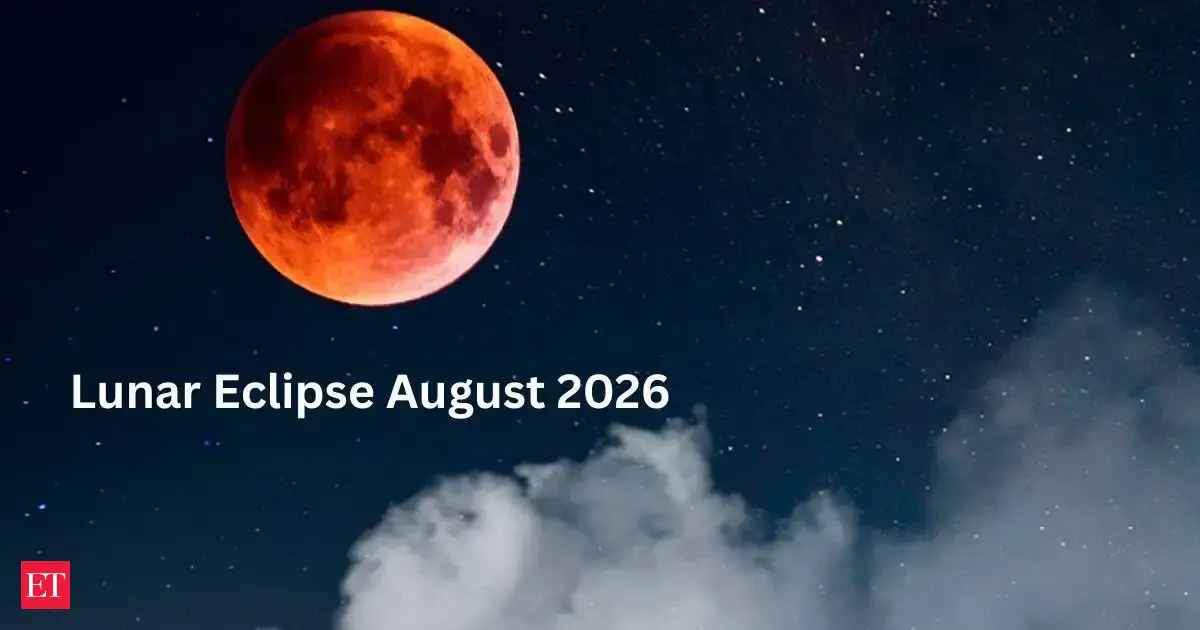
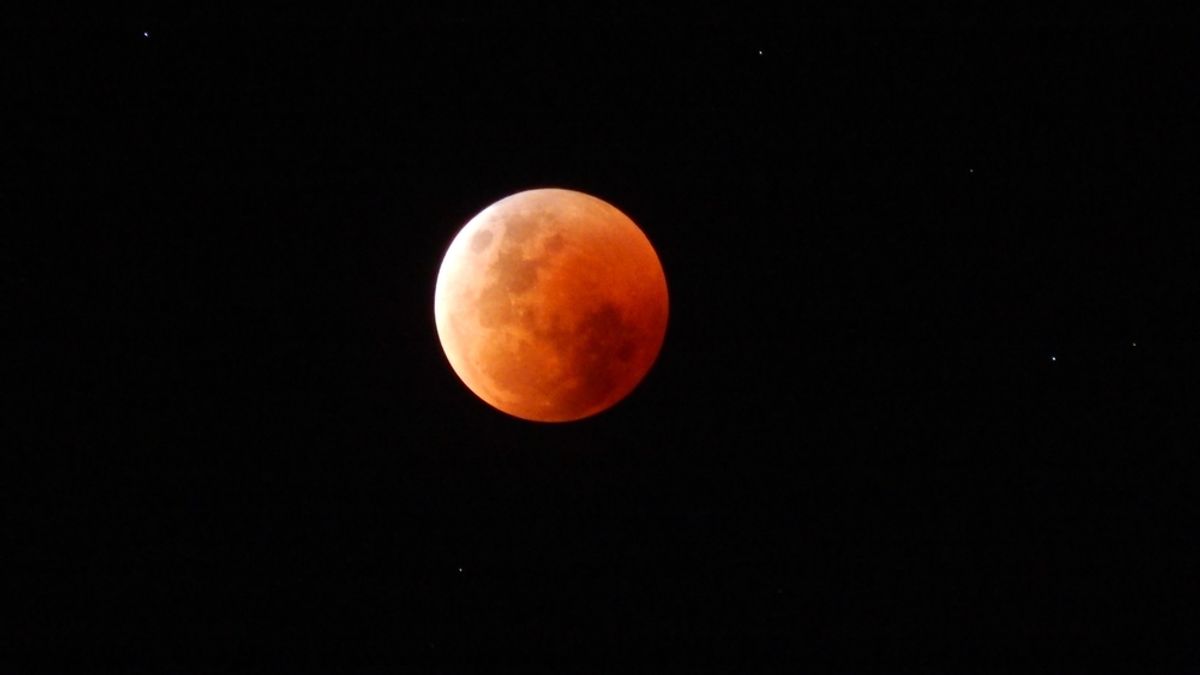
The lunar eclipse occurring on August 27-28, 2026 will be a deep partial eclipse. About 96.2% of the Moon’s surface is expected to pass through Earth’s darkest shadow, giving the eclipsed portion a reddish-orange hue. The event is described as a partial lunar eclipse because only a portion of the Moon enters the umbra while the rest remains outside it. Peak viewing from India is not expected, as the Moon will be below the horizon during the local peak at 9:43 AM IST on August 28.
Visibility zones for this eclipse include parts of the Americas, Europe and Africa, with large portions of North and Central America, much of South America, Europe and Africa in view. Some areas of western Asia will also be able to observe the eclipse, while Australia will largely be outside the main visibility zone. The Moon’s reddish-orange appearance during the event is due to Earth’s atmosphere scattering shorter wavelengths of light, allowing red and orange tones to reach the Moon. The term "blood moon" is informal and not a scientific name for the event.
Observers can watch the eclipse from locations with an unobstructed sky, using binoculars or a telescope, and should check weather conditions beforehand. A livestream option is available for those not in the visible path. Unlike solar eclipses, a lunar eclipse can be viewed safely with the naked eye and does not require special eye protection.
The next lunar eclipse after August 2026 is scheduled for February 20, 2027 and will be a penumbral eclipse, visible from the Americas, Europe, Africa, Asia and western Australia. NASA notes additional penumbral eclipses for July 18 and August 17, 2027, with visibility extending across different regions for each event.
Why It Matters
The event provides an opportunity to observe a near-total partial eclipse, highlighting how Earth’s shadow affects the Moon’s appearance during full-moon phases. The visibility pattern underscores how geography influences what skywatchers can see, with a large portion of the western hemisphere and parts of Europe and Africa able to observe the deep partial eclipse while regions such as India cannot.
Public-interest guidance remains consistent: lunar eclipses are safe to view without eye protection, and observers can use binoculars or telescopes to enhance the experience. The phenomenon also reinforces the distinct differences between lunar and solar eclipses in terms of how they occur and where they are visible.
Background
Lunar eclipses occur when Earth lies between the Sun and the Moon, causing Earth’s shadow to fall across the lunar surface. A partial lunar eclipse happens when only part of the Moon enters the umbra, while the rest remains illuminated by sunlight not blocked by Earth. The August 2026 event is notable for the depth of shading, with a large portion of the Moon entering the umbra and creating a pronounced reddish tint in the eclipsed area.
Key Facts
- Dates of the eclipse: August 27-28, 2026
- Peak time in India: 9:43 AM IST on August 28
- Estimated portion in Earth's umbra: about 96.2%
- Visibility: across parts of the Americas, Europe and Africa; not visible from India; Australia largely outside main zone
- Appearance: eclipsed portion may appear reddish-orange
- Next lunar eclipse: February 20, 2027 (penumbral)
- Additional penumbral eclipses listed for July 18 and August 17, 2027
- Safety: viewing with naked eye is safe; no special eye protection required
What Happens Next
Observers in visible regions can plan to view the peak and surrounding phases around the stated times, weather permitting. Those outside the visibility area can follow a livestream or await the next penumbral eclipse in February 2027, which may offer a subtler shading. NASA’s descriptions frame the event as a deep partial eclipse rather than a full or total eclipse, guiding expectations for the visual outcome and coverage.
Sources reviewed
Project Chintan independently synthesized and analyzed information cross-checked across the sources listed above.
Related stories

Bhubaneswar startup tests drug manufacturing in space
Copper-Red Partial Lunar Eclipse Expected Aug 27–28, 2026

Metformin may lower blood sugar via the gut, study suggests