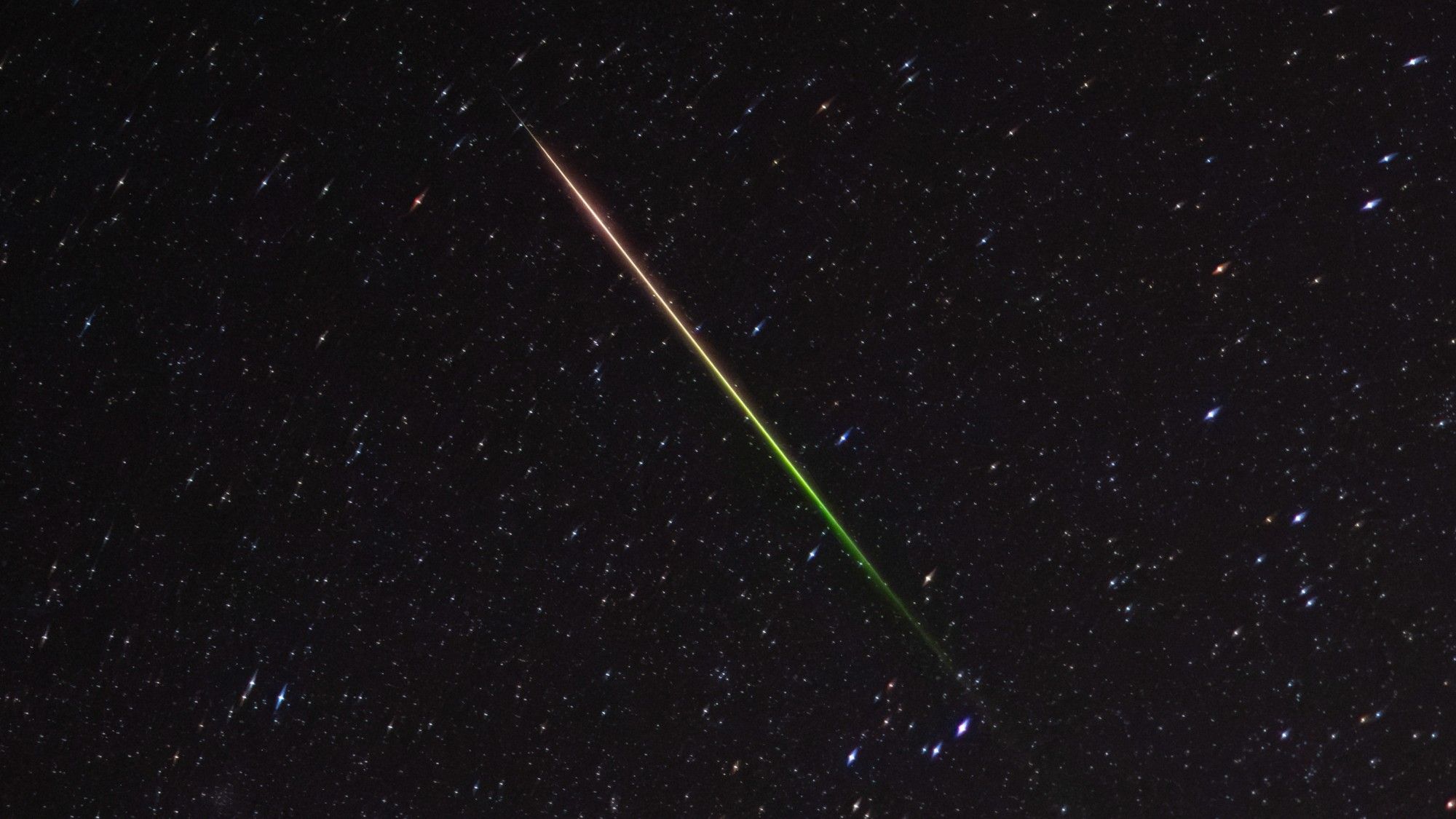
Copper-Red Partial Lunar Eclipse Expected Aug 27–28, 2026
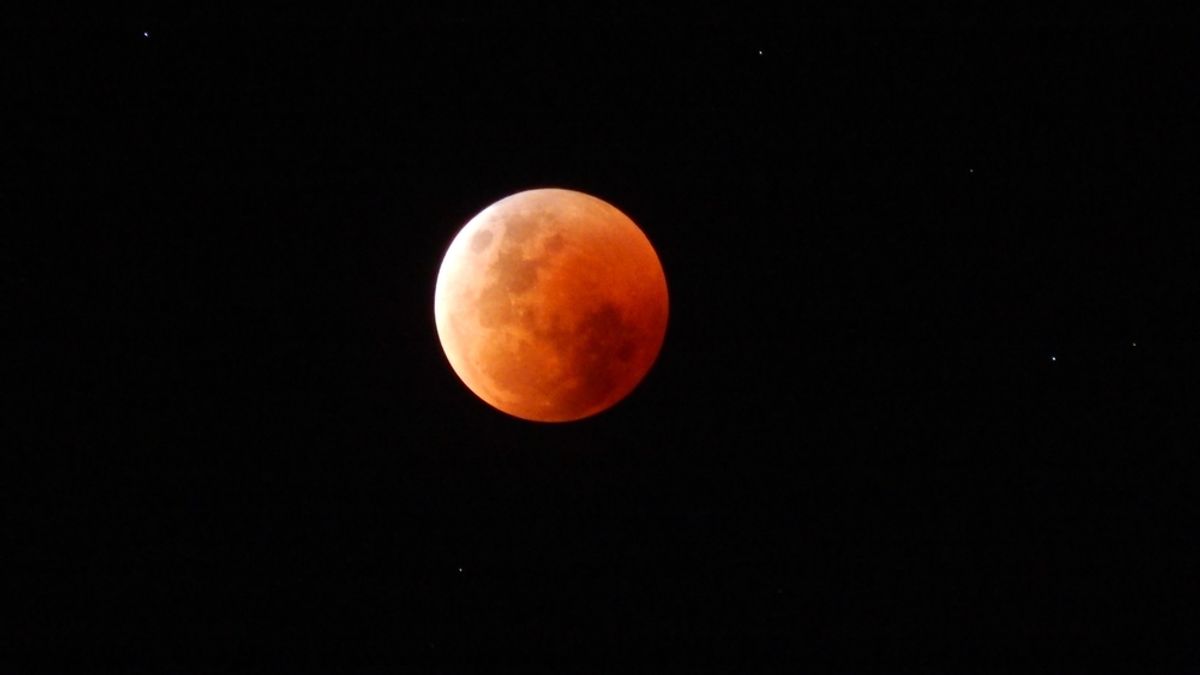
Late August 2026 will feature a deep partial lunar eclipse turning the Moon copper. Observers across the Americas and parts of Europe and Africa can see up to 96% of the Moon in Earth’s umbra.
Key takeaways
- A deep partial lunar eclipse will occur late on August 27, 2026, lasting about three hours and 18 minutes.
- Up to 96% of the Moon’s diameter will be covered by Earth’s umbra at maximum.
- The copper-red hue comes from atmospheric scattering of sunlight as it passes through Earth's atmosphere into the shadow.
- The event will be visible across much of the Americas and parts of Europe and Africa without special viewing equipment.
What Happened
The Moon will pass through Earth’s shadow during a deep partial lunar eclipse starting late on August 27, 2026, with the partial phase lasting about three hours and 18 minutes. At its peak, Earth’s central shadow (the umbra) will cover about 96% of the Moon’s diameter, leaving only a narrow rim outside the shadow. The event follows a solar eclipse two weeks earlier in the same eclipse season.
Observing details vary by location. The eclipse begins with the Moon entering the penumbra, followed by entry into the umbra, reaching maximum coverage at the deepest point, and then exiting the umbra as the partial phase ends. Local times and Moon position will depend on where observers are located. The Moon’s copper or rusty orange color is caused by sunlight refracted through Earth’s atmosphere, which scatters blue light and lets red light reach the lunar surface.
Why It Matters
A deep partial lunar eclipse provides a striking visualization of how Earth’s atmosphere can filter sunlight during shadowed phases of the Moon. The event is visible without special viewing equipment in many regions, making it accessible to a broad audience of skywatchers.
Key Facts
- The eclipse is a deep partial lunar eclipse occurring late on August 27, 2026, through the early hours of August 28, 2026.
- Maximum eclipse coverage is around 96% of the Moon’s diameter, with only a thin rim remaining outside the umbra.
- The copper-red color results from red-orange light refracted by Earth’s atmosphere into its shadow.
- Phases and timing are region-dependent; times are provided in local time for observers but can vary by location.
- The event follows a solar eclipse earlier in August 2026 and sits within the same eclipse season.
- Visibility is expected across much of the Americas and parts of Europe and Africa; viewing does not require special glasses, though binoculars or a small telescope improve detail.
Sources reviewed
Project Chintan independently synthesized and analyzed information cross-checked across the sources listed above.
Related stories

SpaceX targets $1 trillion revenue by 2030, says Musk

Scientists Capture Solar Eclipse Data from 'Flying Observatory' Plane
2027 'Eclipse of the Century' to Offer Unprecedented Viewing in Middle East, North Africa, and Spain