
Supreme Court Mandates Cancer Notification for Early Detection in 19 States
India's Supreme Court has directed 19 states and union territories to classify cancer as a 'notifiable disease' to facilitate early detection and patient care. The order comes as only 17 of the 36 administrative divisions have implemented this measure.
Key takeaways
- The Supreme Court directed 19 Indian states and union territories to declare cancer a notifiable disease.
- The objective of this mandate is to enable earlier detection and ensure better care for cancer patients.
- Currently, only 17 out of 36 states and UTs have already classified cancer as a notifiable disease.
- The court questioned the central government about the absence of uniform mandatory guidelines for all regions.
- The ruling was a response to a public interest litigation arguing the state's constitutional duty to ensure health and dignity.
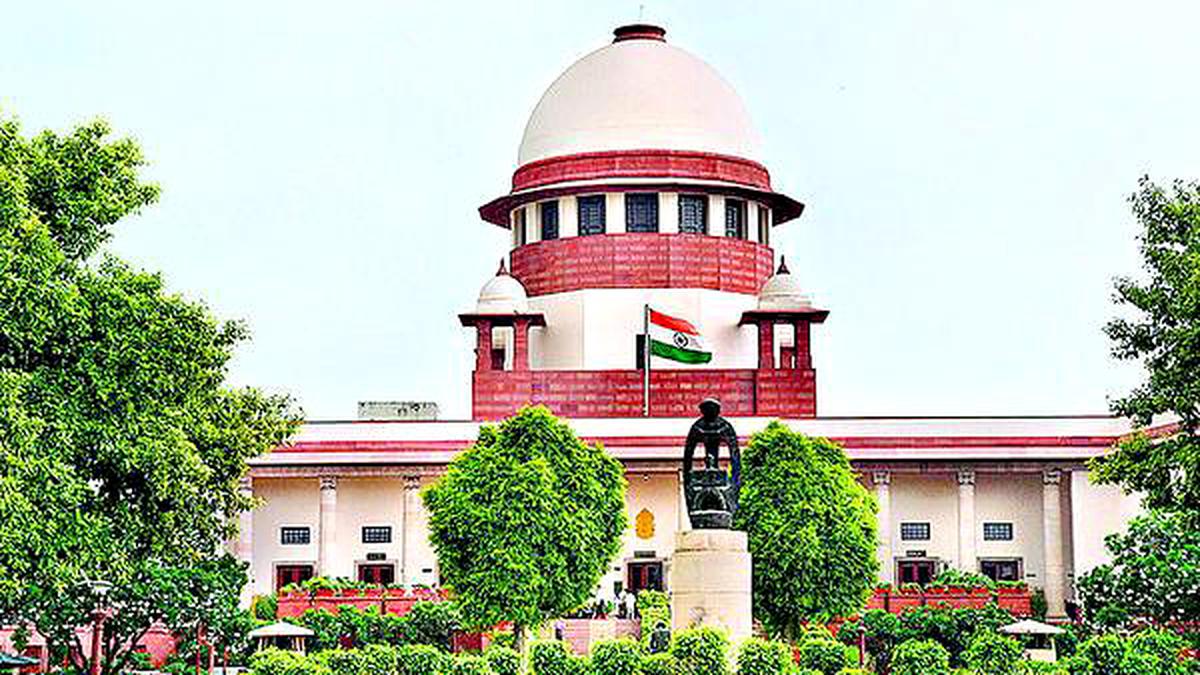
The Supreme Court of India has ordered 19 states and union territories to designate cancer as a "notifiable disease." This directive aims to improve the early identification and management of cancer cases across the country.
The court's order was issued by a bench led by Chief Justice Surya Kant. This action follows information that only 17 out of India's 36 states and union territories have currently notified cancer as a notifiable disease, a step recommended by a parliamentary standing committee.
The court's intervention stems from a public interest litigation filed by Dr. Anurag Srivastava. The petition argued that failing to declare cancer a notifiable disease nationwide violates the state's constitutional obligations under Articles 14 and 21, thereby infringing upon citizens' fundamental rights to equal treatment, health, and a dignified life.
During the proceedings, the Bench also questioned the central government regarding its lack of mandatory guidelines for all states and union territories, emphasizing the need for a consistent national policy on the matter.
Sources reviewed
Project Chintan independently synthesized and analyzed information cross-checked across the sources listed above.
Related stories

AI for Heart Disease Prediction Shows Promise, But Lacks Clinical Readiness: Review

Supreme Court seeks responses on plea alleging exploitation of courtroom remarks
Supreme Court Defers Cauvery Water Dispute Hearing Due to Judge's Illness