
Solar Eclipse Viewer Warns of Lasting Eye Damage
A man who suffered permanent vision loss after viewing a 1999 solar eclipse is urging people to use proper eye protection for upcoming astronomical events. Optometrists confirm that even partial eclipses can cause severe and irreversible retinal damage without certified safety measures.
Key takeaways
- Permanent eye damage can result from viewing solar eclipses without certified protective eyewear.
- Peter Smith experienced lasting vision impairment after watching the 1999 solar eclipse without adequate protection.
- Optometrists advise using ISO 12312-2 certified glasses or indirect projection methods for safe viewing.
- Directly observing the sun during an eclipse, even partially, can cause irreversible retinal injury.
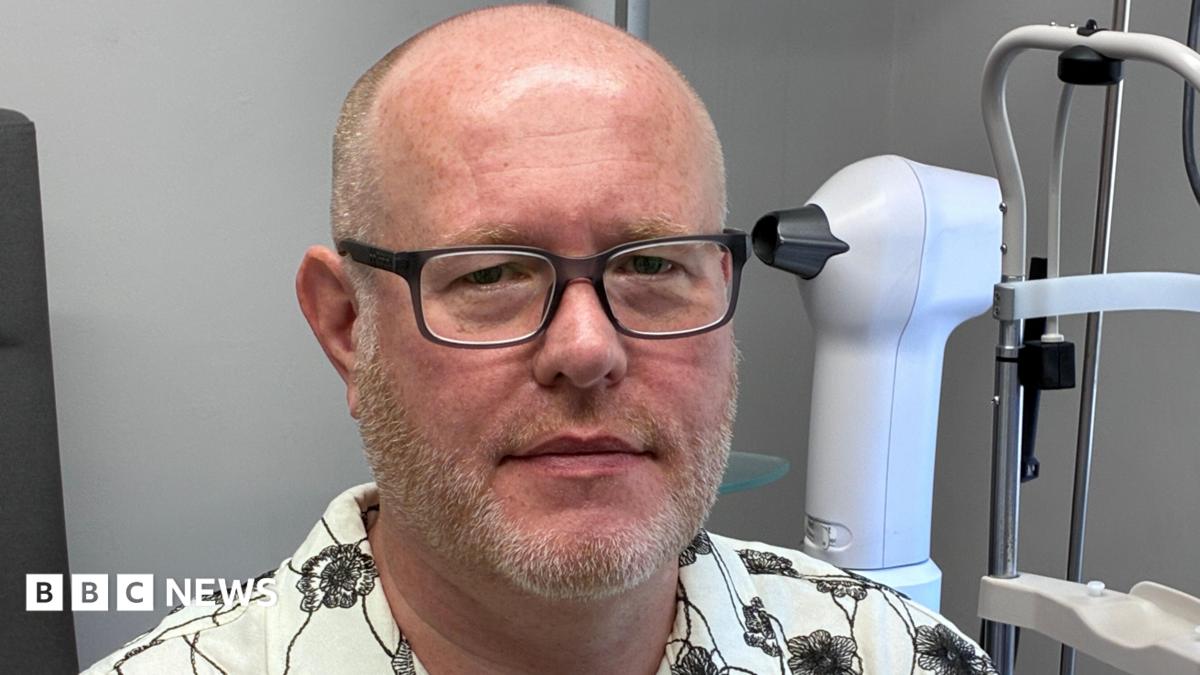
An individual who experienced lasting vision impairment from observing the 1999 solar eclipse has issued a warning regarding the use of protective eyewear for future celestial events. Peter Smith, from Taunton, watched the 1999 eclipse using a welder's mask, believing it offered sufficient protection. The following day, he reported experiencing headaches and visual disturbances, subsequently learning that both his retinas had sustained damage.
Smith emphasized the importance of using certified eye protection with appropriate filters to prevent permanent injury. He noted that the effects of his direct viewing persist, describing a residual impact that manifests as visual flashes, particularly when fatigued.
What Happened
Peter Smith sustained permanent damage to his retinas after viewing the 1999 solar eclipse without adequate protection. Sarah Farrant, an optometrist, cautioned that viewing a solar eclipse without proper safety equipment can lead to a 'solar burn' on the retina, potentially causing lifelong central vision impairment.
Key Facts
- Peter Smith suffered permanent eye damage after viewing the 1999 solar eclipse.
- He used a borrowed welder's mask, which he believed provided adequate protection.
- The damage resulted in flashing sensations in his eyes and headaches, later diagnosed as retinal damage.
- Optometrist Sarah Farrant confirmed that viewing an eclipse without protection can damage the retina and macula.
- Even a partial eclipse in the UK can cause damage if the sun is viewed directly.
- Unsafe viewing can result in a 'solar burn' at the back of the eye with lifelong impact on central vision.
How to View Safely
Certified eclipse glasses meeting the ISO 12312-2 safety standard are recommended for direct viewing. Indirect viewing methods, such as projecting the eclipse through a kitchen colander onto the ground, are also advised. Direct viewing with the naked eye, sunglasses, or unfiltered optical equipment like cameras or telescopes can cause significant harm.
Sources reviewed
Project Chintan independently synthesized and analyzed information cross-checked across the sources listed above.
Related stories

Total Solar Eclipse Visible in Europe, First Since 1999

Nasa Jet to Chase Solar Eclipse, Studying Sun's Corona
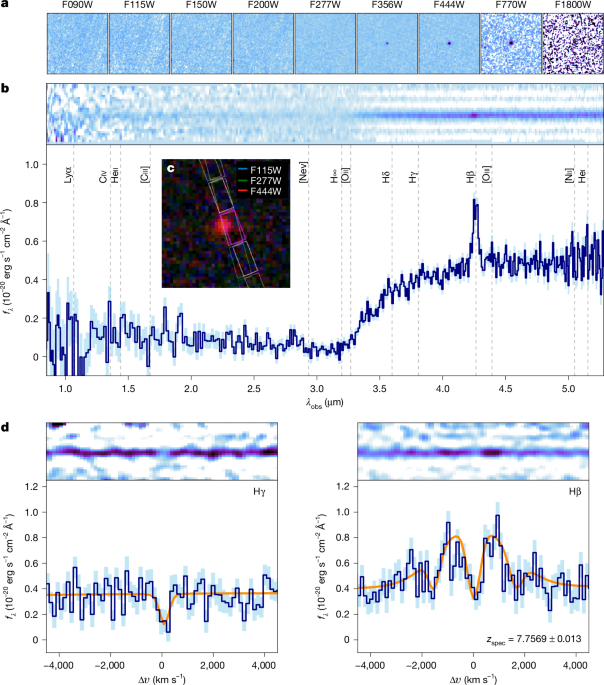
Cosmic Dawn Reveals 'Black Hole Stars,' Challenging Early Universe Theories
