Solar Eclipse: Old Glasses Pose Eye Danger, Swiss Demand New Ones
As Switzerland faces shortages of solar eclipse glasses for the August 12, 2026 event, experts warn against using older pairs due to potential damage. Irreversible vision impairment is a risk, even with partial solar coverage.
Key takeaways
- Demand for solar eclipse glasses is high in Switzerland, leading to shortages.
- Using old or damaged eclipse glasses can cause irreversible eye damage.
- Only ISO 12312-2 certified glasses are safe for direct solar viewing.
- The solar eclipse on August 12, 2026, will significantly obscure the sun in Switzerland.

Switzerland is experiencing high demand for specialized eyewear ahead of the solar eclipse on August 12, 2026, leading to stock shortages. This scarcity has prompted warnings from specialists against reusing older eclipse glasses, which could pose a significant danger to eyesight.
What Happened
The impending solar eclipse on Wednesday, August 12, 2026, has created a surge in demand for protective glasses across Switzerland. Retailers are struggling to meet this demand, with many locations reporting stockouts. The temptation to use previously owned eclipse glasses, such as those from the 1999 event, is strong but strongly discouraged by experts.
Why It Matters
Ophthalmologists and orthoptists caution that old eclipse glasses may have sustained damage over time, including being bent, scratched, or warped. After 27 years, the integrity of their protective filters cannot be guaranteed. Any compromise in the filter's condition can reduce their protective capability, potentially leading to severe eye damage. The retina lacks pain receptors, meaning individuals can suffer irreversible harm, such as vision loss or distorted sight, without immediate pain. Even with over 90% of the sun obscured, the remaining visible portion can be intense enough to cause retinal injury. Standard sunglasses, DIY solutions involving CDs, or X-rays are insufficient for safe viewing.
Background
Safe observation of a solar eclipse requires glasses that meet the ISO 12312-2 international safety standard. These specialized glasses must be inspected for damage before use. The upcoming eclipse on August 12, 2026, is predicted to be a significant event in Switzerland, with Geneva experiencing up to 91.8% solar coverage.
Key Facts
- Protective glasses for the August 12, 2026 solar eclipse are in high demand in Switzerland, causing stock shortages.
- Specialists advise against using old eclipse glasses, citing potential damage like scratches or warping after 27 years.
- Using damaged or inadequate eyewear can lead to irreversible eye damage, as the retina has no pain receptors.
- Proper eclipse viewing requires glasses compliant with the ISO 12312-2 standard, which should be checked for damage.
- In Geneva, the eclipse on August 12, 2026, will occult up to 91.8% of the sun.
What Happens Next
The solar eclipse will begin around 7 PM and conclude near 9 PM, with the peak occurring between 8:15 PM and 8:20 PM. The visibility of the phenomenon is dependent on weather conditions. Safe viewing practices are essential to prevent eye injury.
Sources reviewed
Project Chintan independently synthesized and analyzed information cross-checked across the sources listed above.
Related stories

Total Solar Eclipse Visible in Europe, First Since 1999

Nasa Jet to Chase Solar Eclipse, Studying Sun's Corona
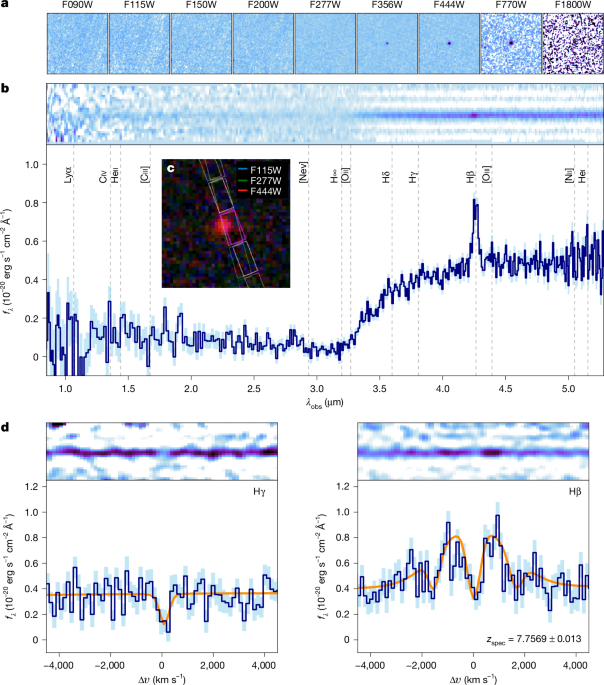
Cosmic Dawn Reveals 'Black Hole Stars,' Challenging Early Universe Theories