Sikkim counts 40 high-risk glacial lakes after Nepal floods
Sikkim has identified 40 high-risk glacial lakes, with 16 in the top Category A. Authorities are drafting mitigation plans, including proposed structures and early-warning enhancements, following Nepal's devastating floods.
Key takeaways
- Sikkim has flagged 40 glacial lakes as high risk for potential GLOFs.
- Sixteen lakes are in the highest risk category, with additional lakes in other risk levels and thirteen unclassified.
- Mitigation planning includes a dedicated protocol, reports to national bodies, and consideration of flood-retention options.
What Happened
Officials in Sikkim reported the identification of 40 glacial lakes deemed high risk for sudden outbursts. Of these, 16 are categorized as the highest risk (Category A), along with two in Category B and nine in Category C, while 13 lakes remain unclassified. The state is developing a mitigation plan that includes monitoring and potential flood-control measures. Shako Chho lake is singled out as the most vulnerable. A detailed project report for mitigation at Shako Chho has been submitted to the National Disaster Management Authority, and a preliminary report has been sent to the Jal Shakti Ministry.
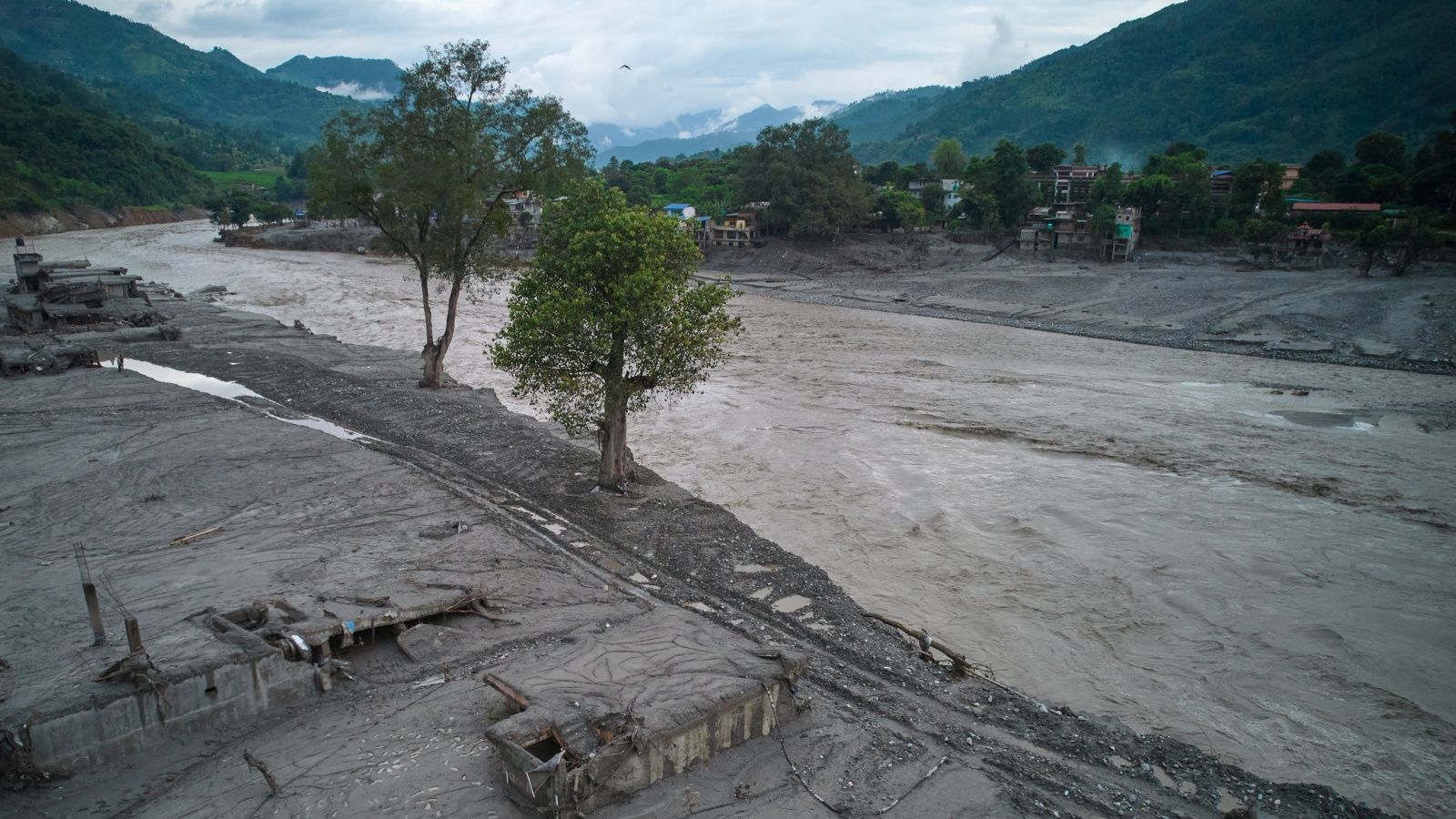
The context for renewed attention is the August 26 flash flood in Nepal that caused extensive casualties, though that event was not a glacial-lake outburst flood (GLOF). The Nepal disaster has heightened concern about climate-driven hazards in the Himalayas.
Why It Matters
The identification of numerous high-risk lakes in Sikkim underscores ongoing vulnerability to glacial-related floods in the region. Authorities are pursuing a standardized framework for assessing and mitigating GLOF risk, potentially creating India’s first dedicated GLOF Risk Mitigation Protocol. The approach could serve as a model for other Himalayan areas if implemented.
Background
In 2023, Sikkim experienced a GLOF that caused fatalities and damage across multiple districts and destroyed a dam. Since then, the state has worked on hazard assessments and mitigation studies, with the Department of Science and Technology designated as the nodal agency for such work in February 2025. A later effort involves evaluating options to reduce lake levels or create flood-retention structures at specific lake complexes, including proposals at Lhonak and Gurudongmar.
Key Facts
- Number of high-risk glacial lakes identified in Sikkim: 40
- Category A (highest risk) lakes: 16
- Category B lakes: 2
- Category C lakes: 9
- Unclassified lakes: 13
- Shako Chho lake designated as the most vulnerable
- A detailed project report for Shako Chho mitigation submitted to the National Disaster Management Authority
- A preliminary project report submitted to the Jal Shakti Ministry
- Nodal agency for GLOF assessments in Sikkim: Department of Science and Technology
- February 2025: DST designated as nodal agency
- August 2023 GLOF in Sikkim caused fatalities and damage across several districts
- Efforts include monitoring, early-warning improvements, drainage works, and potential flood-retention structures
What Happens Next
Officials are preparing additional measures, such as monitoring lake water levels, flood modelling, and exploring structures to lower lake levels or retain flood waters. Sensor networks are being considered to strengthen early warning, with coordination between central and state agencies ongoing. A standardized GLOF risk mitigation protocol is being developed to guide future actions and may inform other Himalayan regions.
Sources reviewed
Project Chintan independently synthesized and analyzed information cross-checked across the sources listed above.
Related stories

Nepal’s Women Soldiers & a 5-Year-Old Flood Survivor Show Climate Costs

UNEP: 1.5°C breach now inevitable, returns uncertain
Nepal Floods as Warning for India: Himalayan risks rising
