Nepal’s Women Soldiers & a 5-Year-Old Flood Survivor Show Climate Costs
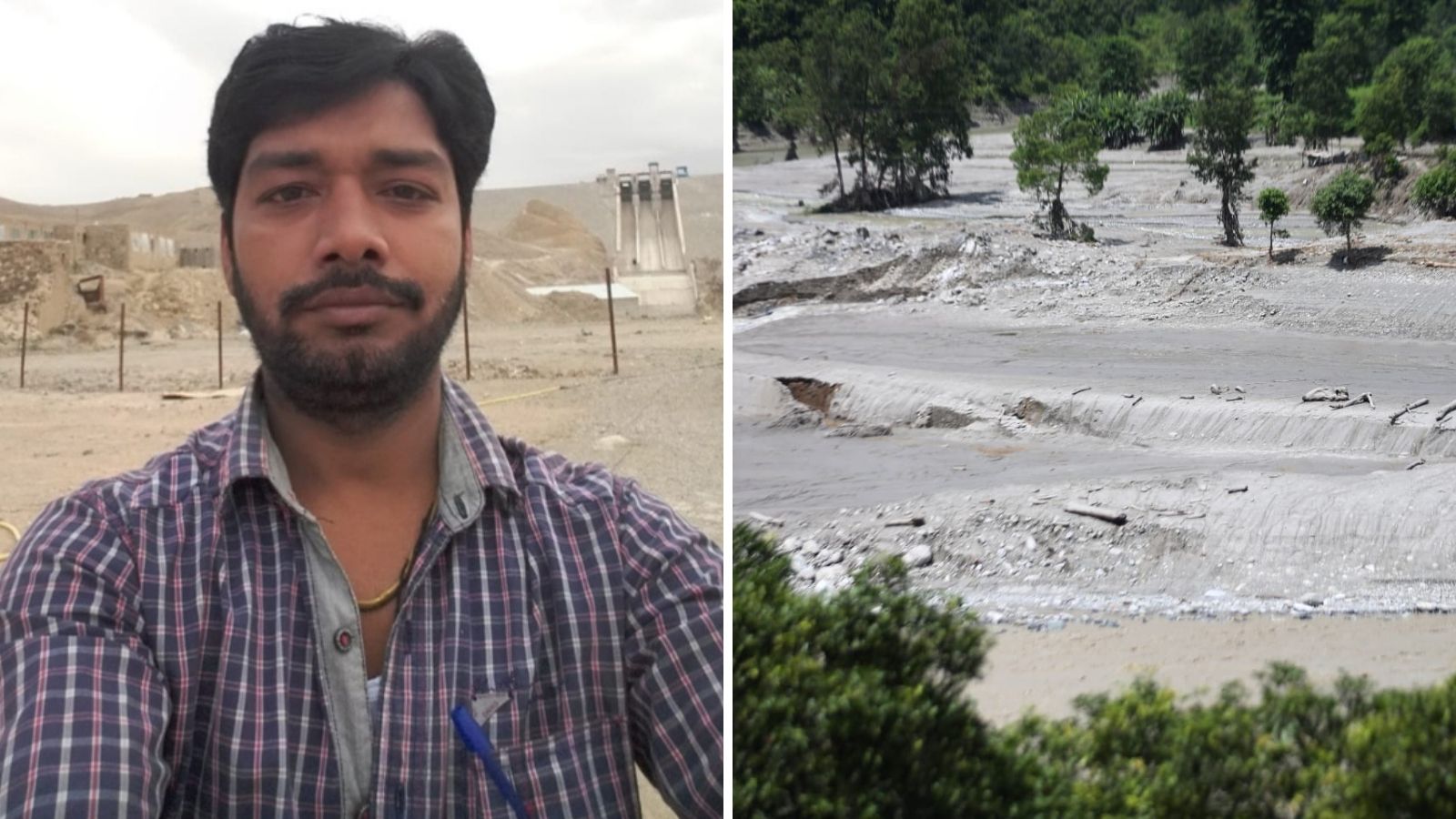
A glacier collapse in Nepal triggered a flash flood that claimed many lives and displaced thousands. The event is documented alongside acts of rescue by Nepali Army women soldiers and a child survivor, illustrating the human dimension of climate-driven disasters.
Key takeaways
- A glacier collapse near the Nepal–Tibet border caused a rapid flash flood along the Bhote Koshi and Trishuli rivers.
- The disaster has caused a high death toll and thousands of missing, with tens of thousands of children needing protection.
- Nepali Army personnel, including women soldiers, conducted extensive rescue operations, including saving hundreds of workers at a hydropower site.
- Personal stories, such as Ishara Tamang, underscore the disruption to families and the uncertainty faced by children in disaster zones.

What Happened
A large section of a glacier and rock broke away near the Nepal–Tibet border, sending a surge of water, ice, and debris into communities along the Bhote Koshi and Trishuli rivers. Rivers rose rapidly, with infrastructure and homes washed away as the flood moved at high speed in places, including speeds noted as over 160 km/h in some areas. Initial assessments suggested an earthquake might have triggered the event, but satellite imagery confirmed the glacier collapse as the initiating cause in the Langtang region, with debris flow entering the Lhende Khola river.
Among the survivors and witnesses were a five-year-old girl, Ishara Tamang, who reported her mother was swept away and later found herself in a hospital with her father in Kathmandu; her mother remained missing. In another scene, Nepali Army soldiers waded into the floodwaters near Betrawati to rescue a pair of infant twins and other civilians, actions captured on video and widely shared. A local officer reassured a frightened child that her mother would come, while noting the uncertainty of the child’s fate given the scale of the disaster.
The response involved a large security presence and air support: roughly 19,000 security personnel and 16 helicopters were deployed. At a hydropower facility, soldiers rescued 254 workers. Beyond the rescues, many children and families faced disruption and ongoing protection needs in the immediate aftermath.
Why It Matters
The event is characterized as the deadliest disaster in Nepal since the 2015 earthquake, underscoring the human costs associated with climate-driven hazards. Official tallies reflect a high death toll and a vast number of missing persons, while UNICEF noted thousands of children required protection services in the days following the flood. The narrative emphasizes that climate change translates into immediate, lived hardship for families—rather than abstract numbers—through loss of caregivers, displacement, and disrupted schooling and safety for children.
Background
The disaster originated from a glacier–rock collapse in the Langtang region, generating a rapid debris flow that reached river systems farther downstream. Satellite data clarified the cause after early speculation linked the event to an earthquake. The broader context frames climate change as a factor increasing the frequency or intensity of such glacial events and their impacts on nearby communities along Nepal’s rivers.
Key Facts
- Date of reporting: 26 August 2026
- Geographic focus: Nepal, particularly near the Bhote Koshi and Trishuli rivers; Langtang region and Lhende Khola river area
- Cause: Large glacier and rock collapse near the Nepal–Tibet border
- Speed of debris flow: reported as over 160 km/h in some locations
- Official death toll at time of reporting: more than 900 confirmed dead
- Missing: over 4,200 people
- Children needing protection services: more than 22,000
- Children separated from caregivers: about 107
- Damaged/destroyed schools: 9 destroyed, 19 damaged
- Rescue resources deployed: about 19,000 security personnel and 16 helicopters
- Rescues at a hydropower site: 254 workers saved
- Individual stories highlighted: Ishara Tamang (5 years old), mother missing, father in Kathmandu
What Happens Next
The available reporting notes ongoing protection needs for children and continued recovery work, including rescue and safeguarding operations by security personnel and emergency services. The material does not provide a detailed schedule of future steps but indicates that the immediate response focused on saving lives, protecting vulnerable children, and maintaining support at affected facilities such as hydropower sites and schools.
Sources reviewed
Project Chintan independently synthesized and analyzed information cross-checked across the sources listed above.
Related stories
UNEP: 1.5°C breach now inevitable, returns uncertain
Nepal Floods as Warning for India: Himalayan risks rising
Gandak Barrage Opens Gates to Regulate Nepal Flood Surge in Bihar