Nepal Floods as Warning for India: Himalayan risks rising
Nepal’s flash floods, triggered by a glacier collapse near the Nepal-China border on August 26, killed hundreds and left thousands missing. India launched relief support and evacuated nationals, while analyses describe cross-border data and governance challenges that could affect downstream flood ri
Key takeaways
- A glacier collapse near the Nepal‑China border triggered widespread floods affecting multiple districts in Nepal and threatening downstream regions.
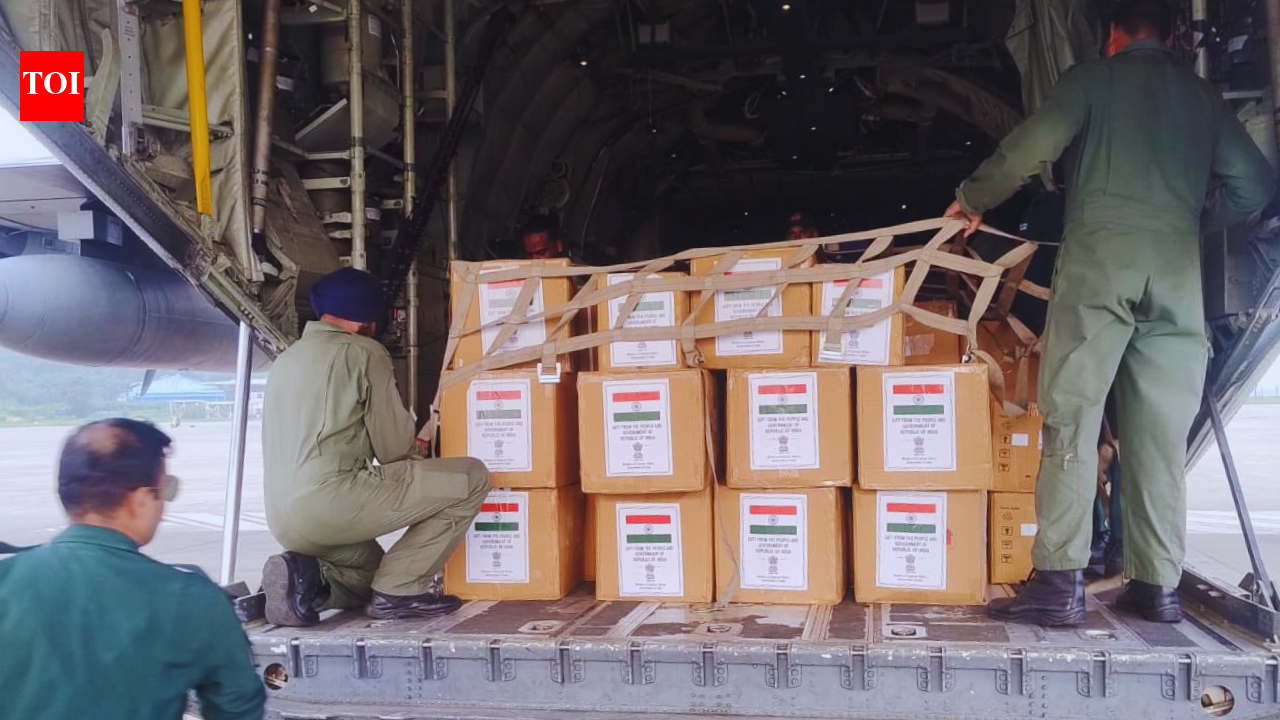
- India coordinated relief, evacuated nationals, and set up a 24/7 control room as part of cross‑border disaster response.
- Analysts link the disaster to transboundary information constraints and evolving Nepalese politics aiming for strategic autonomy in regional relations.
What Happened
The floods struck areas along the Bhote Koshi river near the Nepal‑China border on August 26 after a high‑altitude glacier near the border allegedly sheared away and discharged into the Lhende Khola catchment. The resulting torrent damaged communities, infrastructure and power facilities, with the death toll in Nepal reported at 389 and about 1,000 missing at one point, amid ongoing search efforts. Nepal’s districts affected include Rasuwa, Nuwakot, Dhading, Chitwan, Gorkha and Nawalparasi, and relief operations have involved more than 13,000 security personnel across the Nepali Army, Armed Police Force and Nepal Police. India activated a round‑the‑clock control room in New Delhi and coordinated with Nepal and China to locate and evacuate Indian nationals; with rescued individuals including 63 from the Trishuli‑I hydropower project and 21 Tamil Nadu pilgrims reported as rescued.
Separately, reports indicate the border crossing at Rasuwagadhi (Nepal) and Gyirong (China) was destroyed by a flash flood, with villages, bridges and roads washed away on both sides and casualties continuing to rise as access remained difficult.
Why It Matters
Analysts note the floods highlight transboundary governance and information‑sharing constraints along the Nepal‑Tibet border, where China’s control over data and restricted access can complicate real‑time warning and downstream response. Observers argue that Nepal’s new government has sought strategic autonomy in dealing with New Delhi and Beijing, though border information flows remain sensitive. The disaster has implications for downstream areas in India, where past Himalayan flood events, like Chamoli, have raised concerns about risk management and resilience in the face of climate‑driven glacier melt.
India’s relief actions and diplomatic coordination indicate growing attention to cross‑border flood risk and the need for timely data sharing to protect downstream populations.
Background
The event followed a glacier collapse near the Langtang Lirung area, with reports suggesting the catastrophe began along the border and escalated into a major cross‑border humanitarian response. Authorities cautioned about a potential secondary flood risk if a debris lake barrier along the Bhote Koshi system gave way, with China warning of similar concerns in Tibet.
Key Facts
- Date of the flash flood: August 26, 2026
- Location: Bhote Koshi river corridor near the Nepal‑China border; Rasuwagadhi (Nepal) / Gyirong (China) border crossing affected
- Nepal: death toll 389 at one point; about 1,000 missing; 13,000+ security personnel mobilised for rescue
- India: round‑the‑clock MEA control room in New Delhi; Indian nationals among those reported missing; several groups rescued
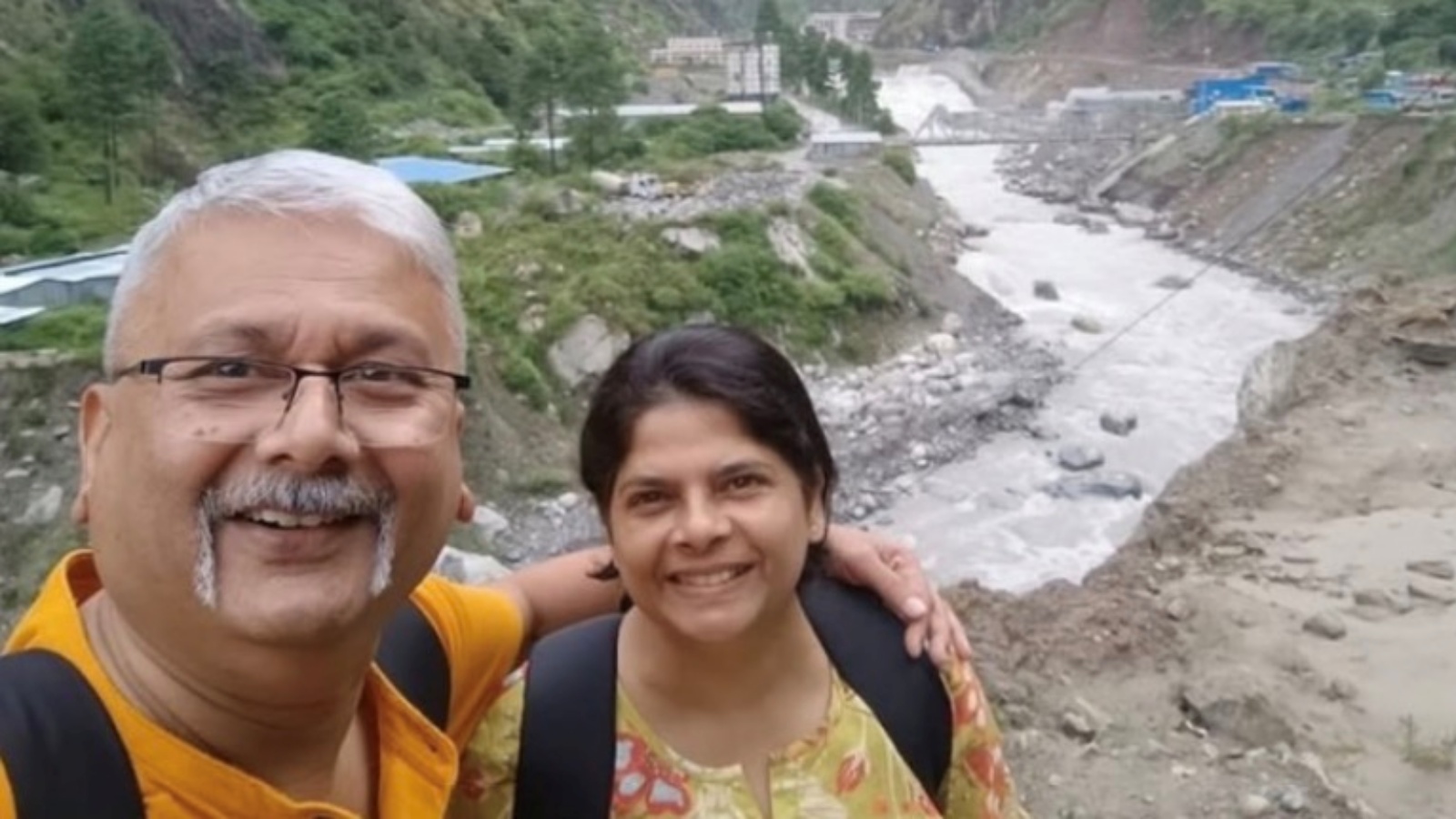
- Rescued: 63 Indians from Trishuli‑I hydropower project; 21 Tamil Nadu pilgrims rescued
- Border infrastructure: Rasuwagadhi–Gyirong crossing destroyed; widespread damage to villages, bridges and roads on both sides
- Context: Nepal’s government emphasizes strategic autonomy in regional relations amid cross‑border disaster response
What Happens Next
Relief and rescue operations continue as teams assess debris‑blocked river sections and the potential for secondary flooding. Authorities in Nepal and neighboring countries are coordinating to share information and support affected populations, while discussions about border data access and disaster preparedness in the Himalayas are likely to shape future responses.
Sources reviewed
Project Chintan independently synthesized and analyzed information cross-checked across the sources listed above.
Related stories
Gandak Barrage Opens Gates to Regulate Nepal Flood Surge in Bihar

Gandak Barrage at Valmikinagar marks 60 years of irrigation role
Family waits for news as Nepal floods claim workers