
The Strategic Risks of Anonymous Salary Disclosure and Peer Pay Discussions
While sharing compensation data online offers market awareness, experts warn that lacking context can fuel unrealistic career expectations. Navigating employment contracts and internal office dynamics remains essential to avoid professional friction.
Key takeaways
- Anonymous salary sharing provides market awareness but often lacks the context of specific job responsibilities.
- Discussing pay with colleagues can lead to distorted rumors and workplace tension if not managed carefully.
- Employment contracts may restrict the disclosure of proprietary company data related to remuneration.
- True pay fairness relies on objective, explainable differences in compensation rather than identical salaries for all.
What Happened
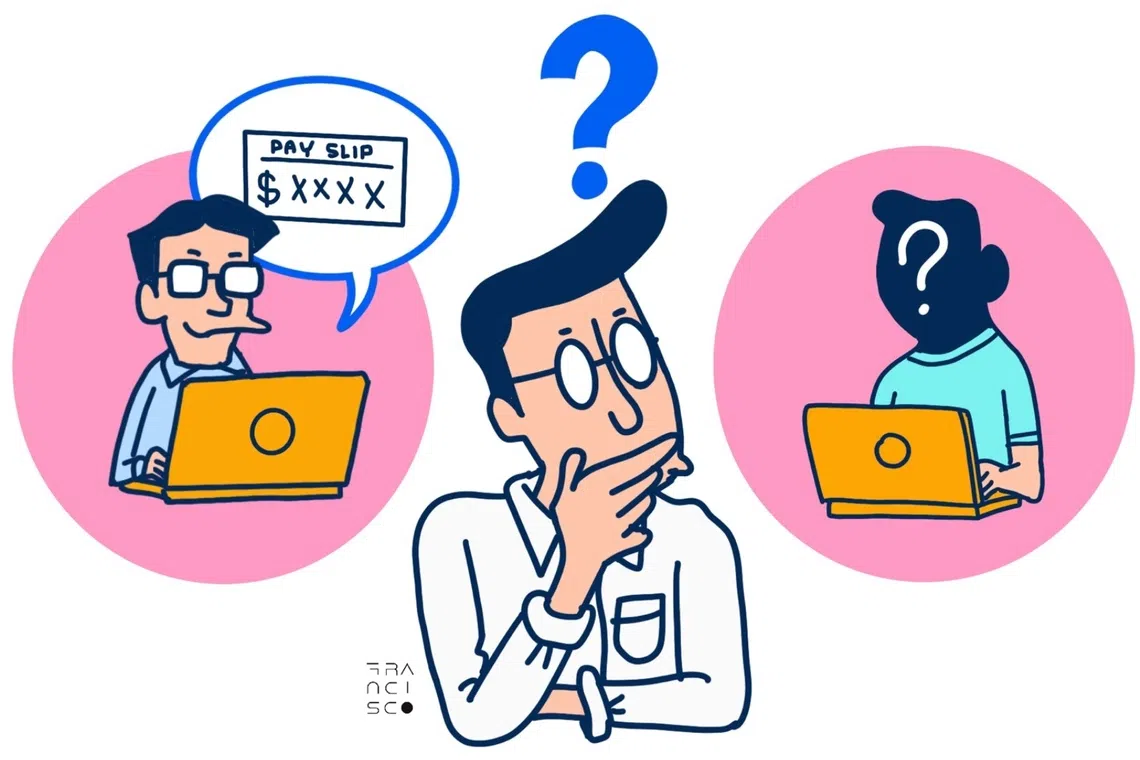
The rise of anonymous online forums and salary-sharing platforms has prompted a re-evaluation of pay transparency. While these platforms serve as a market reference point, human resources experts indicate that sharing such data carries inherent risks if workers do not account for contractual obligations or the specific variables that define their compensation packages.
Why It Matters
Salary figures are rarely determined by a single metric. Differences in pay between employees holding identical titles are often the result of specialized skills, performance history, market scarcity, or legacy employment terms. Experts suggest that without this context, raw salary data can become a source of resentment rather than a tool for empowerment. In the workplace, informal discussions regarding pay frequently evolve into gossip, where distorted information leads to unnecessary tension and comparisons that do not reflect professional reality.
Background
Employment contracts often contain clauses regarding the disclosure of proprietary or confidential company data. While discussing one's own earnings is generally not illegal, sharing remuneration details of others or disclosing sensitive company information can lead to contractual disputes. Companies often discourage open pay discussions to prevent questioning of the compensation system, particularly when clear frameworks for explaining pay disparities are absent.
Key Facts
- Salary transparency is most effective when organizations maintain clear frameworks and managers can objectively explain pay decisions.
- Online salary disclosures are considered a reference point rather than a definitive verdict on a role's value.
- Risk increases when conversations are repeated second-hand, leading to information distortion and workplace rumors.
- Fairness in compensation is defined by objective explanation and market alignment rather than uniform pay across all staff.
What Happens Next
For pay transparency to improve workplace fairness, organizations must be prepared to adopt transparent salary structures. Until companies provide clear reasons for pay decisions, employees are likely to continue seeking external benchmarks, despite the risks of misinformation and contractual complications.
Sources reviewed
Project Chintan independently synthesized and analyzed information cross-checked across the sources listed above.
Related stories

UK University Outcomes Data Shows High Unemployment Rates for Specific Degree Paths

John Goodman Maintains Health Transformation Following Decade of Lifestyle Changes

Singapore-Registered Firm Linked to Foreign Espionage Tactics and Falsified Operations
