PM Modi urges Opposition to back 33% women quota in Parliament
Prime Minister Modi used Independence Day to appeal for support on women's reservation in Parliament and state assemblies. He framed the move as non-political and urged parties to cooperate, while outlining national priorities and warning of ideological Naxalism.
Key takeaways
- Modi used Independence Day to publicly urge all parties to support 33% women’s representation in Parliament and state legislatures.
- He framed the request as non-partisan and said supporters could claim credit for advancing mothers and sisters' rights.
- The call comes after a delimitation-related bill for women’s reservation was defeated in Parliament in April 2026.
- Modi connected the quota to broader development streams and national security themes, including youth leadership and defence technology.

What Happened
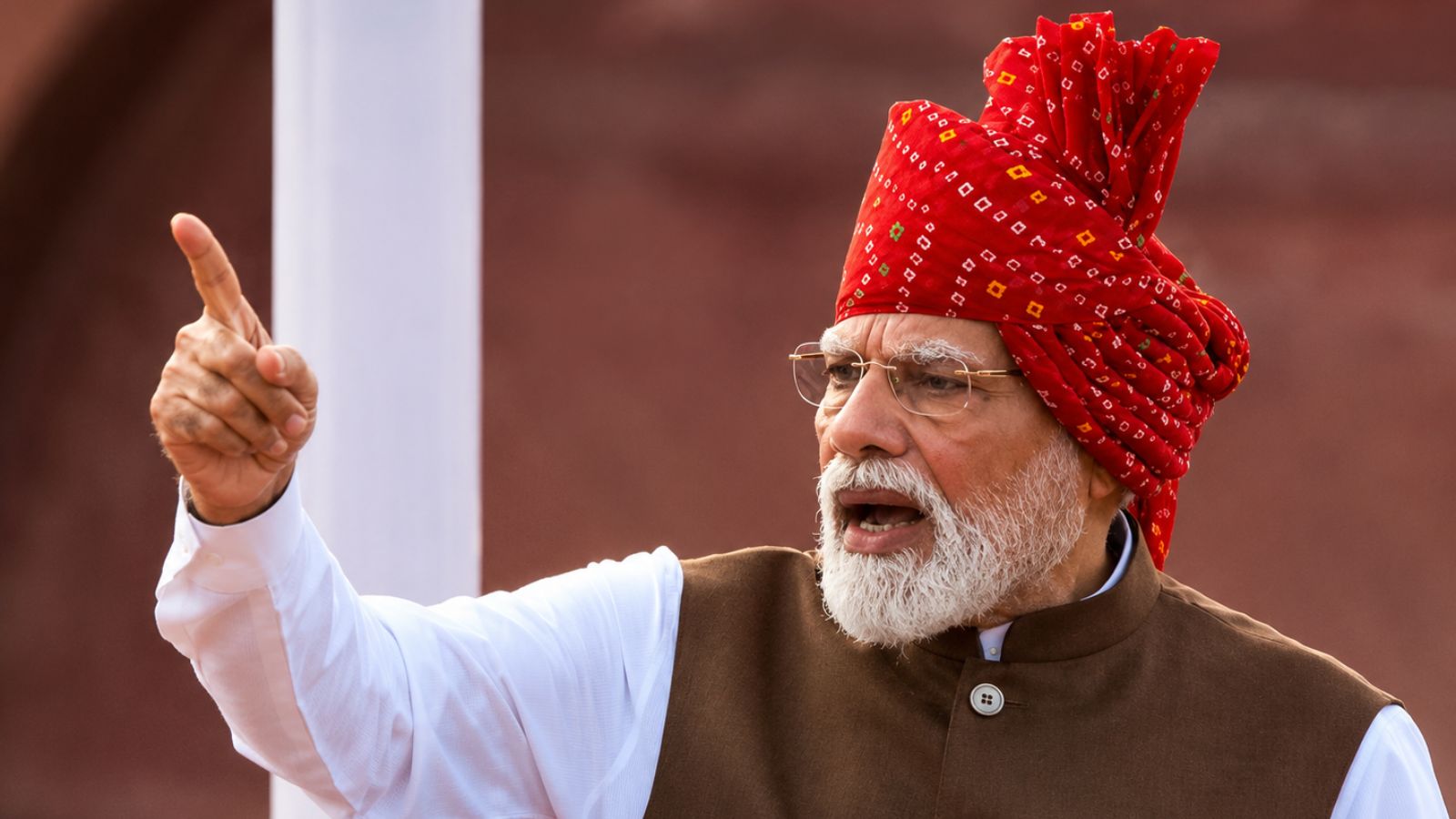
In his 13th consecutive Independence Day address, Prime Minister Narendra Modi spoke from the Red Fort on August 15, 2026, marking India’s 80th Independence Day. He urged all political parties to support the implementation of women’s reservation in Parliament and state assemblies without turning it into a political confrontation. He stated that women should have 33% representation in the Lok Sabha and legislative assemblies and urged parties to grant this right to mothers and sisters as soon as possible. He added, "You may take the credit, you may claim the accolades, but please grant our mothers and sisters their due rights." The speech also touched on other policy areas and national security concerns, including a warning about ideological or "dimagi Naxals" that he said remained present even after armed Naxalism had been reduced, and a call to align youth with the broader development effort.
Beyond the call for women’s representation, Modi highlighted seven broad streams he described as pillars for advancing India: manufacturing, power, agriculture and food processing, technology and innovation, gatishakti (a logistics and infrastructure initiative), defence power, green and blue economies, and soft power. He linked these priorities to a vision of transforming India into a developed nation by 2047. The address also referenced historical security concerns, including the previous Maoist insurgency and the ongoing need to guard against what he described as ideological Naxalism.
During the address, Modi did not indicate a legislative timetable or any immediate government action beyond inviting bipartisan cooperation on the women’s reservation issue. He described the status of the reservation debate as a political stalemate that has persisted for decades and called on the country’s youth to assume leadership roles in society and the economy. He also spoke about efforts to reduce the burden of coaching costs on poorer and middle-class families by offering free online coaching for various exams and emphasized self-reliance in defence capabilities, including ambitions related to advanced technologies such as hypersonics and drones.
Why It Matters
The Prime Minister’s appeal to opposition parties to support women’s representation ties to a long-running legislative debate that has stalled since a delimitation-linked constitutional amendment bill was defeated in Parliament in April. By framing the issue as a national duty rather than a partisan contest, the speech seeks to unfreeze momentum on a reform-theory that has encountered political resistance for decades. The emphasis on a 33% quota aligns with a broader push to expand female political representation and could influence future parliamentary and state assembly debates should it gain cross-party backing.
Modi’s broader agenda—highlighting manufacturing, technology, defence, and green/blue economies—positioned women’s representation within a larger development framework. The announcement coincides with a security framing that links domestic unity and youth participation to India’s aspiration to become a developed nation by 2047, a timeline referenced in his address. The reference to ideological Naxalism underscores the administration’s emphasis on internal security alongside economic reform.
Background
The debate over women’s representation in Parliament and state legislatures has persisted since an attempted constitutional amendment linked to delimitation was defeated earlier in 2026. The government has previously framed the issue as a matter of women’s empowerment and parity in political life, while opponents have treated it as a legislative and political challenge tied to broader constitutional and demographic considerations. Modi’s address reiterates a longstanding political question: whether a quota can be enacted without triggering rigid partisan confrontation.
Key Facts
- Date of event: August 15, 2026 (Independence Day) in India.
- Prime Minister: Narendra Modi, delivering his 13th Independence Day address.
- Policy appeal: Support for implementing women’s reservation in Parliament and state assemblies with a target of 33% representation for women.
- Quote attributed to Modi: “You may take the credit, you may claim the accolades, but please grant our mothers and sisters their due rights.”
- Context: The delimitation-linked constitutional amendment bill related to women’s reservation was defeated in Parliament in April 2026.
- Security framing: Modi warned about ideological Naxalism after armed Naxalism was reportedly reduced, urging attention to “dimagi Naxals.”
- Other policy anchors: Seven streams named as growth pillars, including manufacturing, power, agriculture/food processing, technology/innovation, gatishakti, defence power, and green/blue economy with soft power.
- Additional promises: Free online coaching for various exams; emphasis on self-reliance in advanced defence capabilities such as hypersonic tech and drones.
What Happens Next
The published remarks do not specify a timetable for the reservation legislation or a concrete plan for cross-party consensus. The next steps would depend on parliamentary negotiations and party positions in the wake of this appeal. Observers will watch for any formal moves on the constitutional amendment path or alternative legislative routes, as well as how opposition parties respond to the appeal for non-partisan support.
Sources reviewed
Project Chintan independently synthesized and analyzed information cross-checked across the sources listed above.
Related stories

Deputy CM K. Pawan Kalyan calls for informed youth for strong democracy
PM Modi urges identifying and isolating ‘Dimagi Naxals’ in Independence Day address
President Murmu urges public exam reforms to boost transparency