President Murmu urges public exam reforms to boost transparency
President Murmu emphasised reforms to India’s public exams to curb unfair practices and enhance transparency. She highlighted youth as a key asset and referenced recent space launch and regional security actions.
Key takeaways
- Government plans to reform public exams aim to curb unfair practices and enhance transparency and trust.
- 65% of India's population is under 35, underscoring the emphasis on youth as a national asset.
- Murmu cited a recent rocket launch by a young team as evidence of innovative potential, and noted the one-year mark of Operation Sindoor.
- The Indus Waters Treaty suspension with Pakistan was described as a decisive step in India's interests, especially for farmers.
What Happened
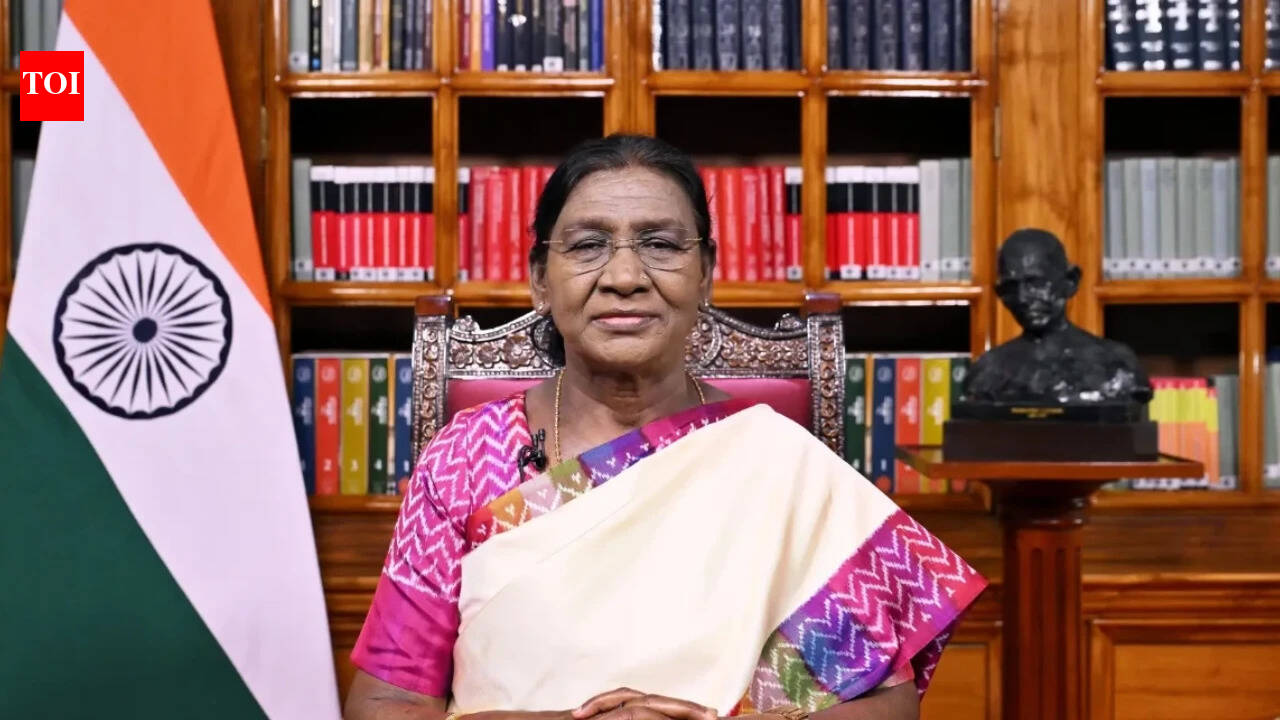
In a national address on the eve of Independence Day, President Droupadi Murmu outlined government plans to reform the public examination system. She described the reforms as aimed at making exams more transparent, secure, and trustworthy while reducing the use of unfair means. The president also praised India’s young population and their role as architects of the country’s future.
During the address, the full version of the national song Vande Mataram was performed ahead of and after the national anthem, a first in the tradition of such broadcasts. Murmu remarked on the vitality and capabilities of the youth, noting a recent rocket launch conducted by a young team with an average age of 28 as an example of innovation and practical solutions emerging at the grassroots level.
She referenced global instability but cited economic projections that India’s growth rate could surpass twice the global average. Murmu also marked May 7 as the one-year anniversary of Operation Sindoor and described it as a historic action against terrorism. On security and regional relations, she mentioned the suspension of the Indus Waters Treaty with Pakistan as a decisive step in India’s interest, particularly for farmers.
Why It Matters
The push for more transparent and secure exams targets reducing unfair practices, which could affect student opportunities and perceptions of fairness in the education system. By framing youth as vital to the country’s future, the address links educational reform to broader economic and security aspirations, including notable national scientific achievements and policy decisions with downstream effects on regional stability and agriculture.
Background
The address situates exam reform within a larger leadership narrative that connects youth development, national security, and science-driven progress. It also references a recent rocket launch by a young team and highlights landmark actions against terrorism, situating education policy within a broader national strategy.
Key Facts
- 65% of India's population is under 35 years old.
- The government is pursuing reforms to the public examination system to curb unfair means and increase transparency and trustworthiness.
- The full version of Vande Mataram was played before and after Murmu's address for the first time in this context, alongside the national anthem.
- A rocket launch by a young team with an average age of 28 was cited as an example of contemporary innovation.
- May 7 marked the one-year anniversary of Operation Sindoor, described as a historic action against terrorism.
- The suspension of the Indus Waters Treaty with Pakistan was framed as a decisive step in India’s interests, particularly for farmers.
- Murmu expressed that economic projections expect India’s growth rate to exceed the global average despite world instability.
What Happens Next
The statement outlines ongoing and future steps to reform examinations and implies continued emphasis on aligning youth welfare with national security and economic goals. Specific timelines or detailed policy measures beyond the stated objectives were not provided in the address.
Sources reviewed
Project Chintan independently synthesized and analyzed information cross-checked across the sources listed above.