Livestock Strategy: Managing Hay Shortages via Straw Integration for Dry Cows
Agricultural producers are shifting to straw-based rations to mitigate widespread hay shortages while maintaining livestock health. Experts outline specific mixing ratios and supplements required to avoid digestive issues and nutrient deficiencies in dry cows.
Key takeaways
- Straw can replace up to 50% of hay in early dry cow rations if supplemented with protein concentrates and molasses.
- Optimal straw cut length is between 2 and 5 centimeters to ensure structural integrity and prevent feed sorting.
- Nutrient requirements increase significantly three weeks before calving, requiring a reduction in straw content to maximum 33%.
What Happened
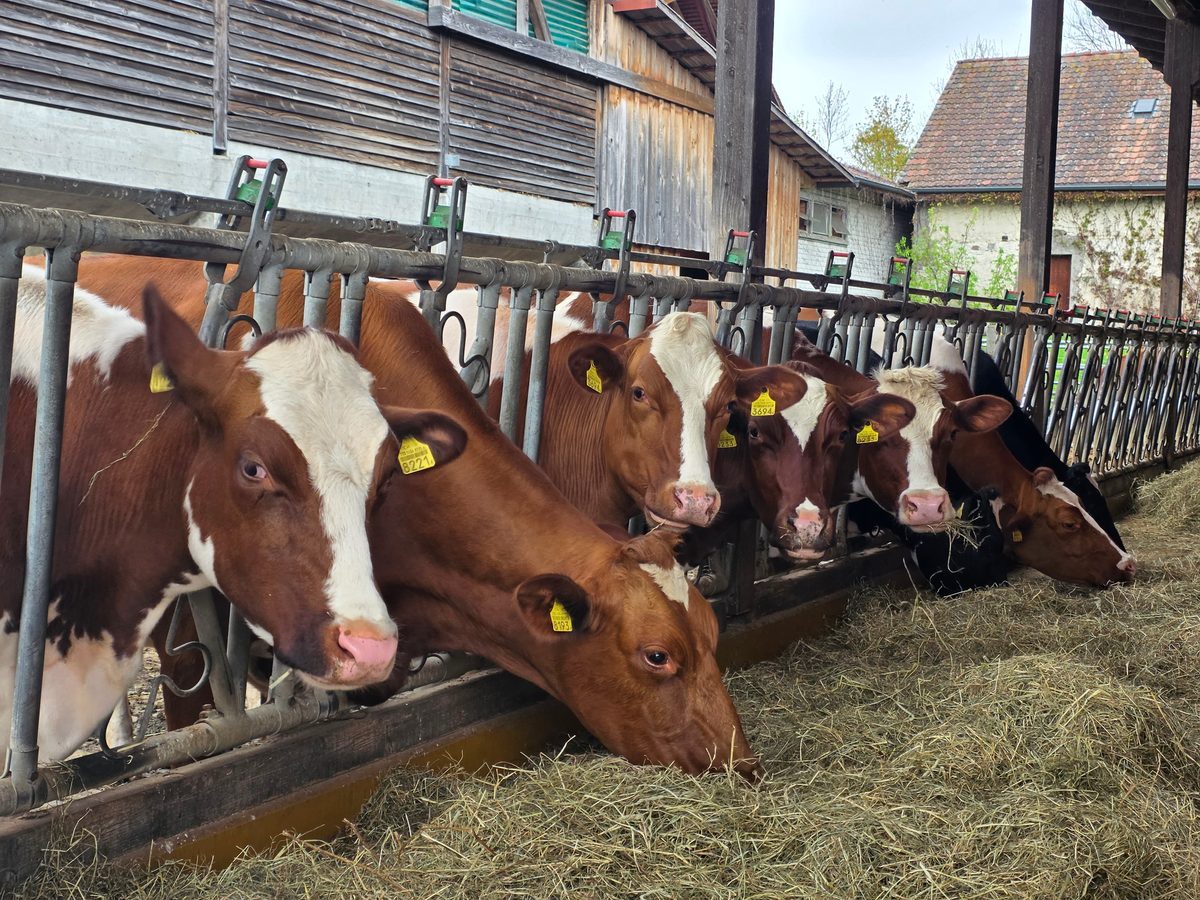
Widespread fodder shortages have prompted agricultural operations to transition dry cow rations from hay to straw. With straw currently available in high quality and sufficient volumes, it serves as a viable alternative for maintaining livestock through winter months. However, the transition requires precise dietary adjustments to prevent metabolic conditions such as milk fever, digestive complications, or reduced feed intake.
Background
The dry period for cows typically lasts six to eight weeks and is divided into two distinct stages: the early dry phase and the preparatory phase leading up to calving. Effective straw integration depends on fiber length and the inclusion of specific supplements to ensure cows receive adequate protein and energy. Experts recommend a cut length of 2 to 5 centimeters to prevent animals from sorting the feed while maintaining necessary rumen structure.
Key Facts
- Early dry phase rations without maize silage can contain up to 50% straw if balanced with 4kg of roughage substitute, 500g of molasses, 2kg of protein concentrate, and 1kg of specialized dry phase feed.
- Early dry phase rations including maize silage typically utilize 40% straw and 33% maize silage to reach target nutrient levels.
- Target values for the early dry phase are 5.2 MJ NEL (Net Energy Lactation) and 130 grams of crude protein per kilogram of dry matter.
- During the three-week preparatory phase before calving, the straw proportion must be reduced to a maximum of 33% as nutrient requirements rise to 5.7 MJ NEL and 140 grams of crude protein.
- Wheat and barley straw are identified as the most suitable varieties for these feed adjustments.
- Palatability is managed through additives like molasses to ensure consistent consumption of the straw-heavy mixture.
What Happens Next
Producers utilizing vertical mixers are encouraged to use industrial chopped bales to save energy, while those with horizontal mixers may continue to process dry mixtures manually. As the calving date approaches, the ration must shift away from high straw content toward maize silage or supplementary feeds to meet the escalating energy demands of the cow and calf.
Sources reviewed
Project Chintan independently synthesized and analyzed information cross-checked across the sources listed above.
Related stories

Drought Forces Water Emergency Protocols and Freight Shifts in Southern Germany
Australian Wheat Outlook Improves as Favorable Rains Bolster Export Prospects

Mitigating Prolonged Drought: Professional and Veteran Strategies for Dutch Gardens