
Mitigating Prolonged Drought: Professional and Veteran Strategies for Dutch Gardens
Expert gardeners and horticulturalists in North Brabant are utilizing water buffering, strategic irrigation timing, and soil enrichment to combat an extended dry spell. By avoiding over-watering in the spring and utilizing evening irrigation, growers aim to maintain yields despite a forecast of cont
Key takeaways
- Irrigate gardens in the evening to maximize soil penetration and minimize evaporation.
- Avoid daily light watering to prevent shallow, 'lazy' root systems that fail during heatwaves.
- Use compost and soil organisms like worms to improve moisture retention and soil structure.
- Pruning dry plants and overseeding in September can recover up to 75 percent of a drought-damaged garden.
What Happened
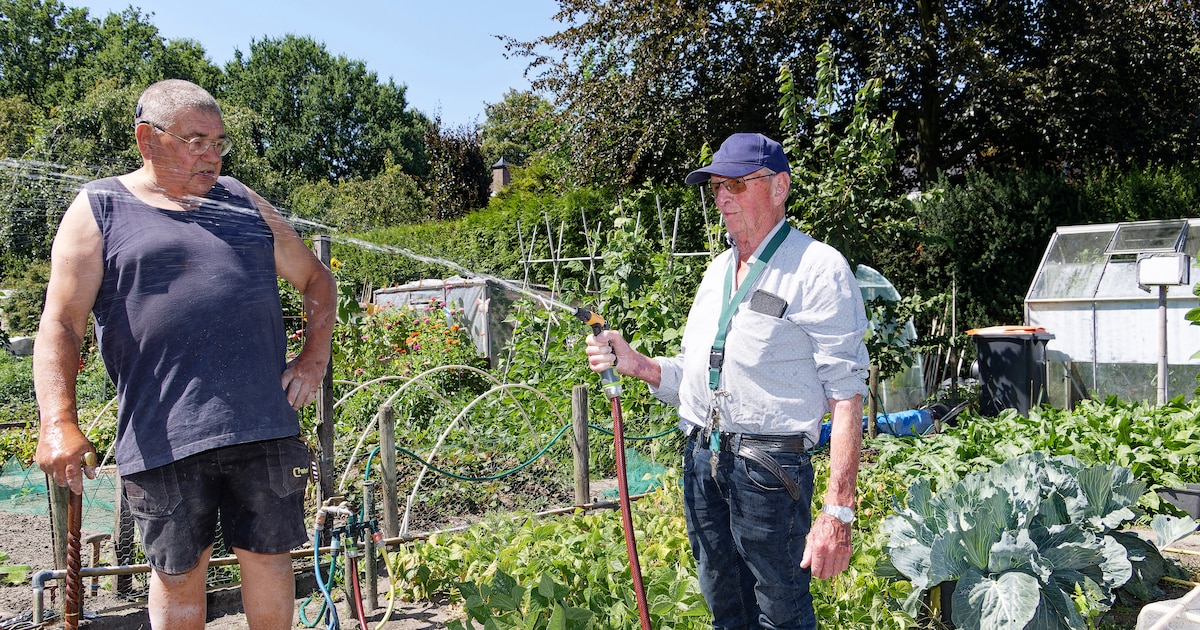
Gardeners across the North Brabant region, including Oss, Uden, and Schijf, are facing a period of significant drought that has turned lawns yellow and threatened vegetable crops. Weather forecasts indicate at least 12 additional days without precipitation, forcing local growers to adopt specific maintenance techniques to preserve their plants. While veteran gardeners at the Kromstraat-Zuid complex in Oss rely on groundwater pumps and manual labor, professional horticulturalists are advising homeowners on restorative measures for sun-damaged private gardens.
Key Facts
- Moestuin vereniging Kromstraat-Zuid in Oss manages 106 individual allotments utilizing two shared groundwater pumps.
- Horticultural experts recommend saturating lawns three times per week rather than daily light sprinkling to encourage deep root growth.
- Evening irrigation is preferred by veteran growers to allow water to penetrate the soil without immediate evaporation from solar heat.
- Soil health can be improved through the addition of compost, which acts as a moisture reservoir, and the introduction of organic life like earthworms to create irrigation channels.
- Professional estimates suggest that 75 percent of heat-damaged gardens can recover if properly pruned and fertilized with organic matter.
Background
A central philosophy among experienced Dutch growers is the prevention of "lazy" plants. Over-watering during the spring months prevents root systems from descending deep into the earth in search of water, leaving them vulnerable when summer temperatures rise to 30 degrees Celsius. In response to shifting climate patterns, some traditional vegetable growers have begun transitioning their plots to include more heat-tolerant crops, such as grapevines.
What Happens Next
For gardens that have already suffered significant browning, experts suggest a recovery phase in September. This involves over-seeding damaged lawns and applying a top layer of compost to ensure restoration before the winter season begins. For those currently away, the use of automated irrigation computers connected to standard garden hoses is recommended to maintain moisture levels during the peak of the drought.
Sources reviewed
Project Chintan independently synthesized and analyzed information cross-checked across the sources listed above.
Related stories

Drought Forces Water Emergency Protocols and Freight Shifts in Southern Germany
Australian Wheat Outlook Improves as Favorable Rains Bolster Export Prospects

Rhine River Water Levels Drop to Historic Lows in North Rhine-Westphalia
