Iran Sets Conditions for Strait of Hormuz Reopening Amid Continued Maritime Strikes
Iranian officials have detailed four primary requirements for reopening the Strait of Hormuz to international shipping, including the lifting of naval blockades and the payment of war reparations. The demands come as commercial vessels continue to face missile and drone attacks in the vital waterway
Key takeaways
- Iran requires the removal of U.S. forces and payment of war reparations before reopening the Strait of Hormuz.
- A missile attack targeted an ADNOC tanker on Saturday, marking the 15th such incident for the company since the conflict began.
- Prime Minister Netanyahu has officially rejected a 15-point Gaza ceasefire plan, citing disarmament requirements.
What Happened
Tehran has outlined specific demands for the restoration of maritime access through the Strait of Hormuz, an international waterway closed since the start of the U.S.-Iran conflict on February 28. Mohammad Bagher Zolghadr, Secretary of Iran's Supreme National Security Council, stated on Saturday that the U.S. must lift its naval blockade, remove military forces from the region, release frozen Iranian assets, and provide war reparations before the strait can be reopened.
Simultaneously, Abu Dhabi's National Oil Company (ADNOC) reported that one of its tankers was targeted by a missile strike while transiting the waterway. The company confirmed the situation was brought under control without injuries. Since the conflict began, 15 ADNOC-affiliated vessels have been attacked, resulting in one fatality and 20 injuries to crew members.
Current Negotiations
The latest demands surface as a 60-day negotiation period, established by a June interim deal between the U.S. and Iran, approaches its deadline next week. While Iran and Oman are reportedly close to an agreement regarding navigation and transit routes, U.S. Vice President JD Vance stated that any final arrangement would require a commitment from Iran to cease fire on commercial vessels and cooperate in demining efforts.
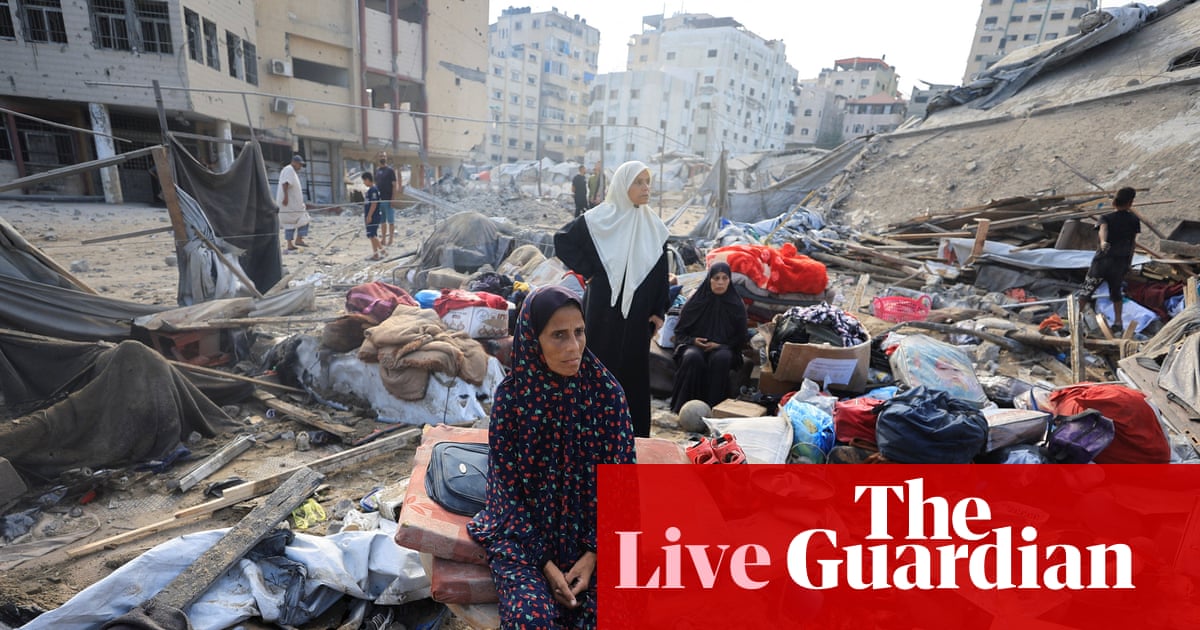
In Gaza, Israeli Prime Minister Benjamin Netanyahu has rejected a 15-point ceasefire document endorsed by Hamas. Netanyahu confirmed that the Israeli military will not withdraw from the territory until Hamas is fully disarmed, despite the U.S.-led proposal suggesting a phased withdrawal in tandem with disarmament.
Key Facts
- The Strait of Hormuz has been effectively closed since February 28, 2026.
- Iran's demands include the removal of U.S. sanctions and naval blockades, along with the payment of war reparations.
- ADNOC has reported 15 total attacks on its ships during this conflict, including three within the first week of August.
- Non-oil trade between the UAE and BRICS nations reached $312 billion in 2025.
- Houthi forces claimed a drone attack on a Saudi oil refinery in Jazan on the Red Sea coast.
- Hamas has called for mediators to pressure Israel into adhering to the U.S.-backed roadmap.
What Happens Next
Negotiations for a final deal to end sanctions and address frozen assets are scheduled to conclude within the next eight days. U.S. officials indicate they will evaluate Iranian compliance based on maritime actions rather than verbal commitments. Meanwhile, BRICS trade ministers have concluded meetings in Jaipur without reaching a consensus on a joint declaration, highlighting ongoing uncertainty in global trade environments.
Sources reviewed
Project Chintan independently synthesized and analyzed information cross-checked across the sources listed above.
Related stories

Netanyahu Pledges to Block Iranian Nuclear Capability Amid Strait of Hormuz Blockade
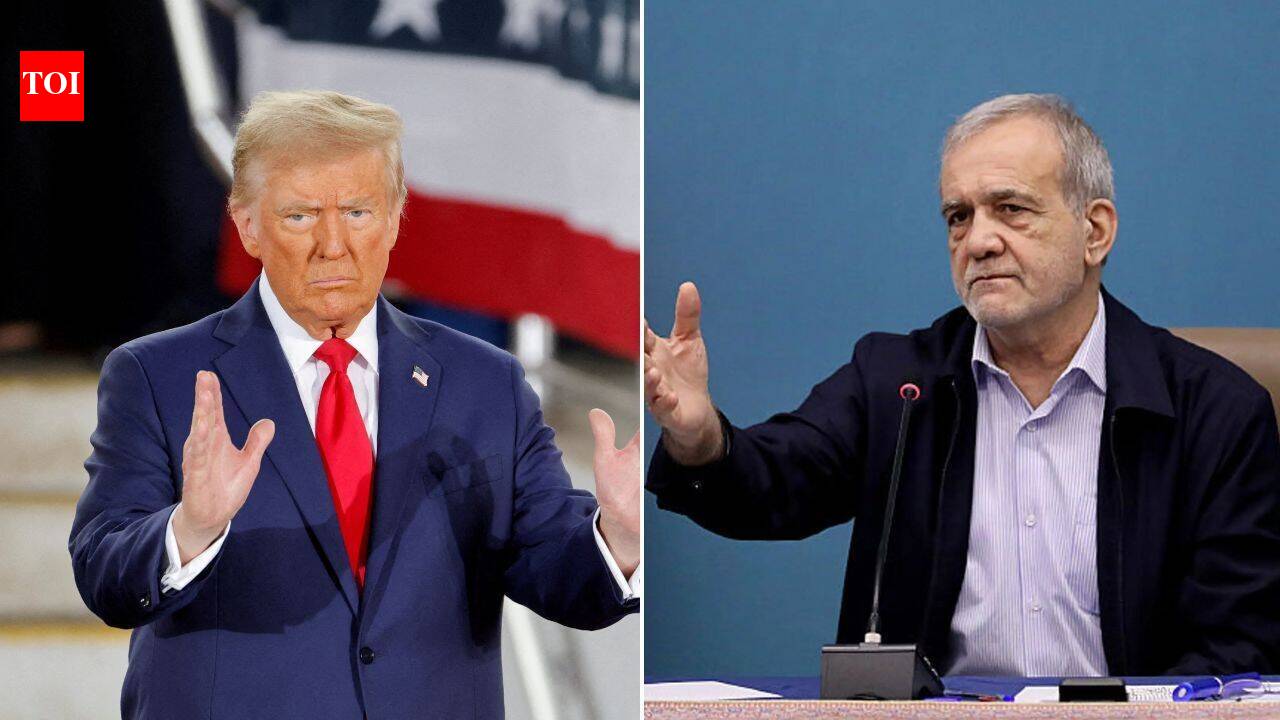
Strait of Hormuz Stalemate: Tehran and Washington Clash Over Preconditions for Reopening

Tehran Nears Maritime Deal With Oman as Strait of Hormuz Reopening Remains Conditional