
Strait of Hormuz Stalemate: Tehran and Washington Clash Over Preconditions for Reopening
Iran insists the Strait of Hormuz will remain obstructed until the U.S. meets a broad list of security and economic demands. Washington maintains that its naval blockade will only lift once unrestricted commercial transit resumes through the energy corridor.
Key takeaways
- Iran refuses to reopen the Strait of Hormuz based solely on its shipping agreement with Oman, citing broader political demands.
- U.S. President Donald Trump confirmed the U.S. Navy is leading a blockade and will lift it only after commercial shipping resumes safely.
- Tehran's demands include the unfreezing of assets, compensation for war damages, and the removal of U.S. forces from the region.
- A new traffic separation scheme is being negotiated between Iran and Oman to replace the defunct previous maritime arrangement.
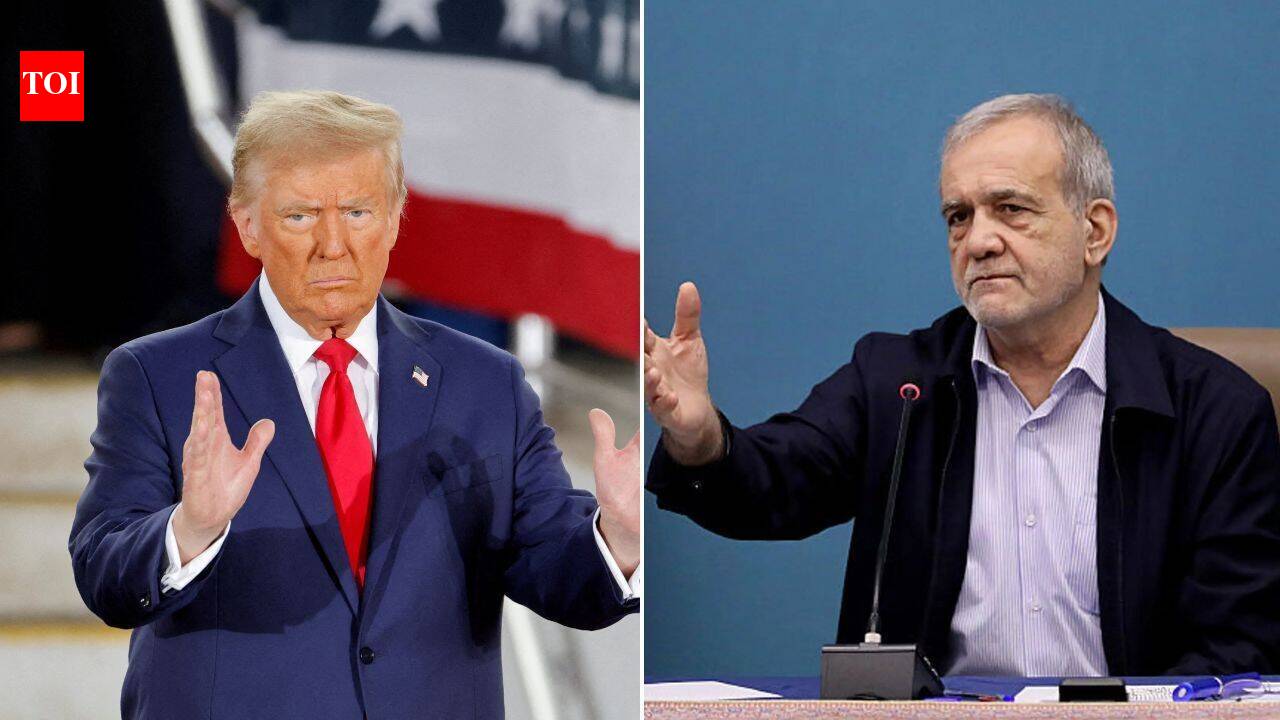
Tensions surrounding the Strait of Hormuz have reached a diplomatic impasse. While Tehran and Muscat signal progress on technical shipping protocols, Iranian officials emphasize that these local negotiations will not suffice to reopen the waterway. The Islamic Republic has tied the resumption of maritime traffic to a sweeping revision of U.S. foreign policy and military presence in the region.
The Core Conflict
The disagreement extends far beyond maritime logistics. Iran views the waterway as a lever in its broader confrontation with the United States, while President Donald Trump has confirmed that the U.S. Navy maintains a blockade. Although Trump suggested negotiations are progressing, he noted that the threat of mines continues to deter billion-dollar commercial vessels from entering the area.
Iran's Preconditions for Reopening
Mohammad Bagher Zolghadr, secretary of Iran's Supreme National Security Council, and other top officials have outlined specific requirements that the U.S. must meet before the strait is fully operational again:
- Military Withdrawal: Tehran demands the removal of U.S. naval and air forces currently enforcing the blockade.
- Cessation of Hostilities: Iran requires an end to all U.S. military actions against its territory and regional allies, alongside a total stop to what it describes as U.S. threats and pressure.
- Economic Restitution: Foreign Minister Abbas Araghchi has stated that the U.S. must provide compensation for physical and economic damages sustained during the conflict.
- Sanctions and Assets: The Iranian government seeks the total lifting of U.S. sanctions and the unfreezing of all restricted Iranian financial assets.
- Non-Interference: The Islamic Revolutionary Guard Corps (IRGC) insists that Washington cease interfering in regional diplomatic processes.
The Oman Negotiations
Parallel to the standoff with Washington, Iran is finalizing a new shipping protocol with Oman. Foreign Minister Araghchi noted that the previous traffic separation scheme is no longer valid. The two nations are currently discussing a temporary route to handle technical and legal complexities. However, IRGC spokesperson Hossein Mohebbi clarified that these technical talks are entirely separate from the political conditions placed upon the United States.
Why It Matters
Before the current conflict, the Strait of Hormuz served as the transit point for 20% of the world's global oil and gas supply. The ongoing closure forces a revaluation of global energy security as both sides remain entrenched in their respective positions. Washington links the end of the blockade to the resumption of shipping, while Tehran refuses to allow shipping until the blockade and its associated sanctions are dismantled.
Source: The Times of India
Related stories

Tehran Nears Maritime Deal With Oman as Strait of Hormuz Reopening Remains Conditional
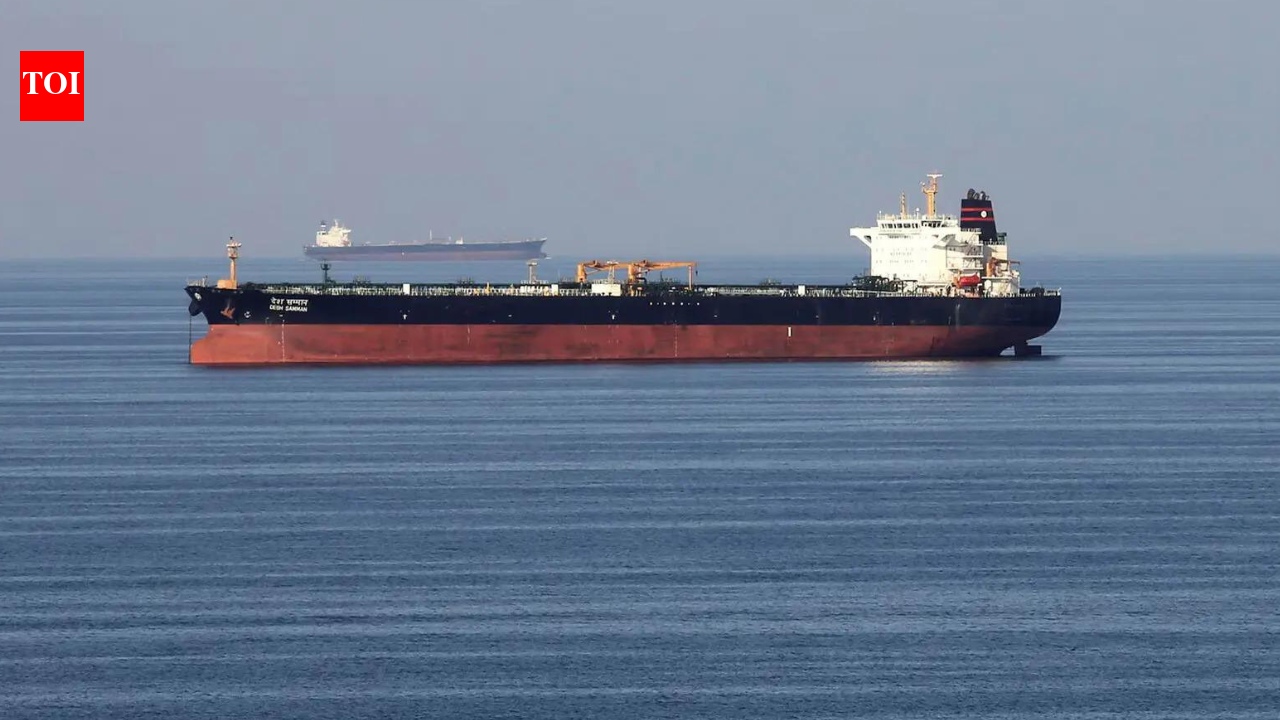
Iran Proposes Strait of Hormuz Transit Fees and US-Israel Vessel Ban
Strategic Fuel Price Drop Hits Pumps as Hormuz Negotiations Sway Global Markets
