ICMR: No new H1N1 strain identified as swine flu cases rise
ICMR sources say there is no new H1N1 strain detected amid rising swine flu cases in Delhi and other regions. The circulating influenza A(H1N1) viruses are reportedly well matched with Northern Hemisphere vaccine strains.
Key takeaways
- ICMR confirms no new H1N1 strain despite rising swine flu cases in India.
- Circulating H1N1 viruses are linked to the A/Missouri/11/2025-like lineage and align with Northern Hemisphere vaccine strains.
- Delhi recorded over 2,300 Influenza-A cases this year, including 1,777 H1N1 cases by August 21, with 114 cases on August 20.
- Health authorities issued a Delhi advisory on respiratory hygiene and timely medical consultation.

What Happened
The Indian Council of Medical Research (ICMR) reported on Sunday, August 23, 2026, that no new strain of H1N1 has been identified even as swine flu cases increase in Delhi and other parts of the country. ICMR sources noted that the influenza A(H1N1) pdm09 viruses currently circulating in India belong to the A/Missouri/11/2025-like lineage, specifically clade 6B.1A.5a2a with subclade D.3.1.1, and have been in circulation since 2025. They added that these strains are well matched with the vaccine strains recommended for the Northern Hemisphere.
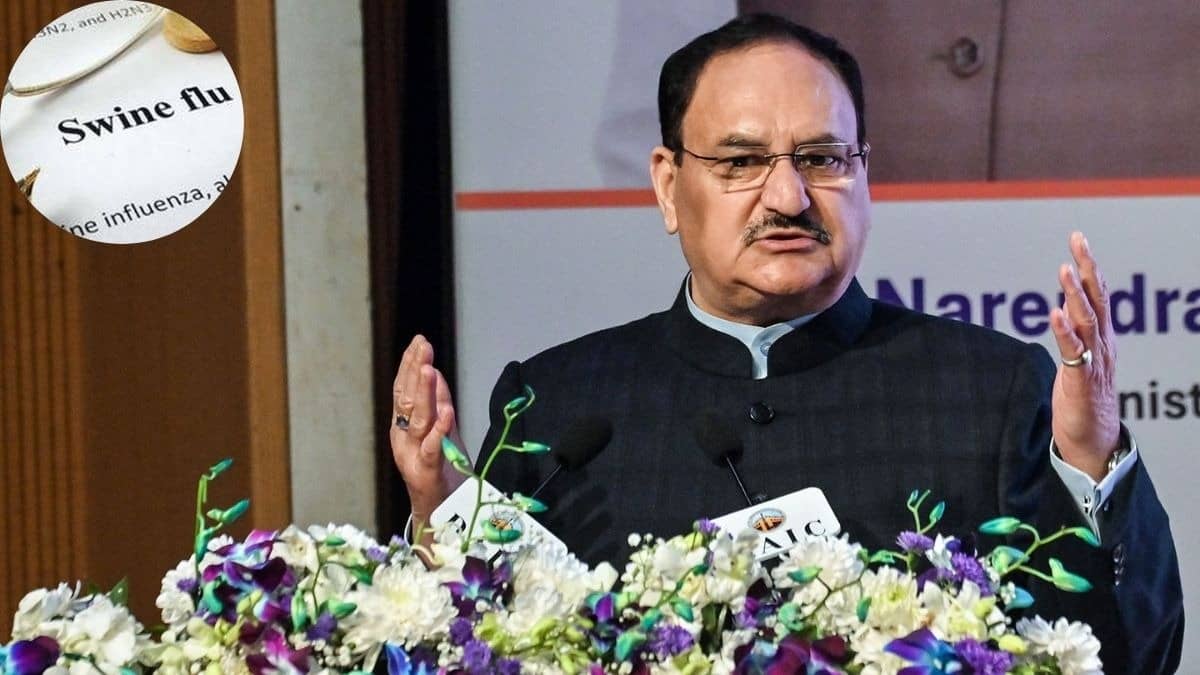
Delhi has seen more than 2,300 Influenza-A cases this year, including over 1,777 confirmed H1N1 cases up to August 21. On August 20, 114 H1N1 cases were reported in the capital. In response, the Delhi government issued a health advisory urging respiratory hygiene, avoiding crowded places, and seeking timely medical advice. Union Health Minister J P Nadda reviewed the national influenza situation and preparedness with a focus on Delhi, while Delhi Health Minister Pankaj Kumar Singh attended the meeting. The review covered surveillance trends, testing, laboratory surveillance, and healthcare facility preparedness to manage seasonal influenza cases.
Why It Matters
Public health authorities are maintaining vigilance and reinforcing surveillance as cases rise, while asserting there is no new viral strain. The alignment of circulating strains with the vaccine suggests existing vaccines remain relevant for the current season, which can influence vaccination and prevention strategies in the near term. Authorities also highlighted the readiness of healthcare facilities, including beds, oxygen capacity, ventilators, diagnostics, and essential medicines, in anticipation of potential case increases.
Background
The ICMR described the circulating H1N1 viruses as pdm09 strains associated with the A/Missouri/11/2025 lineage, indicating the genetic lineage has been present in the country since 2025. Authorities are monitoring influenza-like illness (ILI) and severe acute respiratory infection (SARI) trends, testing rates, and overall epidemiology as part of ongoing surveillance and preparedness efforts.
Key Facts
- No new strain of H1N1 has been identified by ICMR sources as of August 23, 2026.
- Influenza A(H1N1) viruses circulating in India belong to the A/Missouri/11/2025-like lineage, clade 6B.1A.5a2a, subclade D.3.1.1, circulating since 2025.
- Delhi has reported over 2,300 Influenza-A cases this year, including more than 1,777 H1N1 cases up to August 21; 114 H1N1 cases were reported on August 20.
- A health advisory has been issued in Delhi emphasizing respiratory hygiene, avoiding crowds, and seeking medical advice when needed.
- Union Health Minister J P Nadda reviewed influenza surveillance and preparedness, with Delhi officials present, to assess trends, testing, and healthcare capacity.
What Happens Next
Public health authorities will continue regular surveillance, monitoring influenza trends, and readiness of healthcare facilities to manage seasonal influenza. The focus remains on vigilant detection of unusual increases or clustering of cases and maintaining adequate healthcare capacity to respond to potential surges.
Sources reviewed
Project Chintan independently synthesized and analyzed information cross-checked across the sources listed above.