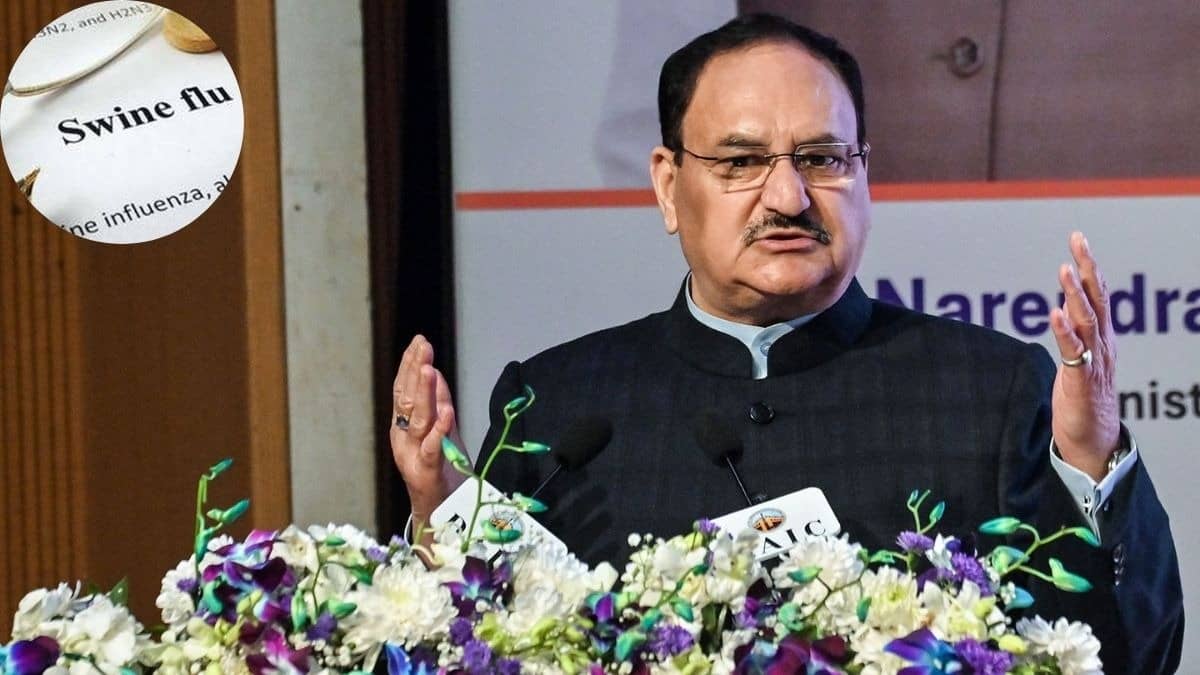
Delhi logs over 1,700 swine flu cases this year amid influenza rise
Delhi has reported more than 1,700 swine flu cases this year as seasonal influenza infections rise during monsoon. Health officials plan a review with national officials while hospitals are instructed to ensure treatment capacity and monitoring of infection patterns.
Key takeaways
- Delhi has recorded more than 1,700 swine flu cases in the current year.
- A high-level meeting with Union Health Ministry was planned to review the swine flu situation.
- Hospitals have been directed to ensure adequate treatment facilities and establish separate wards for swine flu patients.

What Happened
Delhi’s health authorities reported that the national capital recorded more than 1,700 cases of swine flu, or H1N1, in the current year. Officials said the surge in swine flu coincides with a broader rise in seasonal influenza and influenza-like illnesses during the monsoon season. The Delhi Health Minister and department representatives were set to meet the Union Health Minister and senior officials to review the swine flu situation in the capital. They indicated a report is being prepared to assess the number of cases and the overall situation.
Authorities stated that all government hospitals have been instructed to ensure adequate treatment facilities, and separate wards for swine flu patients are being established. Medical practitioners noted that while most cases appear mild to moderate, influenza activity has increased and some patients report longer coughs and higher fever, which may be linked to air pollution. Healthcare guidance emphasized vaccination, hand hygiene, and staying home when ill to limit transmission.
Why It Matters
The rising cases of swine flu amid a broader influenza uptick could strain healthcare resources and affect hospital capacity during the monsoon period. Officials are responding with enhanced monitoring and targeted clinical readiness, including segregation of swine flu patients in dedicated wards and closer surveillance of infection patterns and hotspots.
Background
The report notes a concurrent increase in influenza and influenza-like illnesses in Delhi, with doctors describing a general rise in patients presenting respiratory symptoms. Medical professionals cited variability in symptoms and the potential role of air pollution in the severity of fever and prolonged cough, though most patients recover with supportive care.
Key Facts
- Delhi has logged more than 1,700 swine flu (H1N1) cases this year.
- A meeting was planned between the Delhi Health Minister, department officials, and Union Health Ministry leadership to review the situation.
- Government hospitals have been directed to ensure adequate treatment facilities for swine flu patients.
- Separate wards are being created to treat swine flu cases in the capital.
- Medical practitioners report a surge in influenza and influenza-like illnesses with mostly mild to moderate severity.
- Some clinicians attribute prolonged cough and higher fever to possible reactive inflammation linked to air pollution.
What Happens Next
Officials indicated ongoing monitoring of infection patterns and potential hotspots, with a report in preparation to assess case numbers and the overall situation. The outcome of the planned review with national health authorities will guide any further public health actions or resource allocations.
Sources reviewed
Project Chintan independently synthesized and analyzed information cross-checked across the sources listed above.