
Karnataka rail stations audit finds expired dairy, unhygienic handling
State FDA-led inspections across 36 railway stations uncovered expired dairy, fungal growth on produce, and use of newspapers and non-food-grade materials in food prep. Findings spanned 112 establishments, with action planned under food-safety rules.
Key takeaways
- Inspection covered 112 food outlets at 36 railway stations in Karnataka.
- Findings included expired dairy products, fungal growth on produce, and packaging on newspapers.
- Idlis at Mysuru station reportedly prepared with plastic; labelling and display gaps were noted.
What Happened
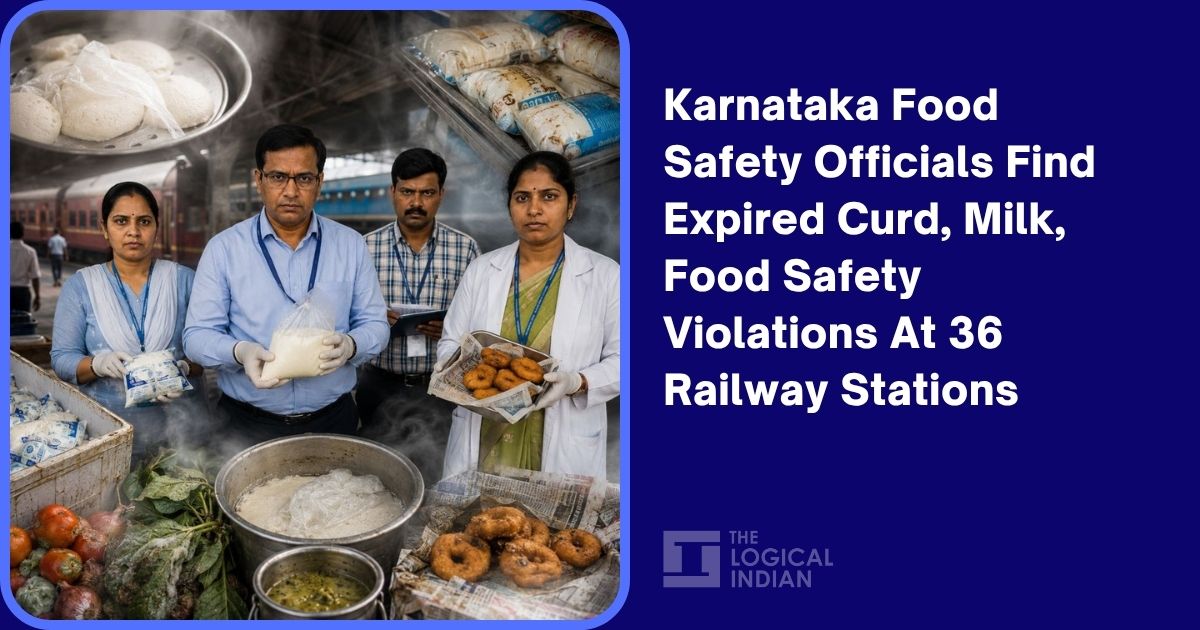
The Karnataka Food Safety and Drugs Administration (KFSDA) conducted a statewide drive across railway premises, inspecting 112 food establishments at 36 railway stations. The operation targeted hotels, canteens, stalls, pantry cars and preparation units, focusing on food safety, storage, labelling and hygiene practices. Inspectors found a range of violations including expired dairy products, fungal growth on vegetables, and the use of newspapers or non-food-grade materials in food handling and packaging. Some items were stored in cardboard boxes, and chutney was kept in plastic containers not deemed suitable for food use. In Mysuru, idlis were reportedly prepared using plastic material. Several establishments did not prominently display food business registration certificates or mandatory labelling, and non-permitted colours were suspected in certain items such as yellow coloring in jalebi and pink coloring in khoa peda. Officials stated action would be taken under the Food Safety and Standards Act, 2006, with railway authorities and designated officers informed for further legal action.
In parallel reporting, stations such as Haveri were noted for expired packets of Nandini curd and Dodla standardised milk, while a hotel at KR Puram railway station was described as unhygienic. Some savories and chapatis were reported to lack proper labelling, and some items were observed without appropriate packaging practices. The drive also highlighted prior regulatory concerns linking plastic use in idli preparation to actions taken earlier in 2025, when authorities directed stricter enforcement against plastic packaging and reuse of newspapers for food handling.
Why It Matters
The inspections expose gaps in food safety and hygiene across railway-linked food outlets, which serve a large, diverse traveler population. The combination of expired dairy, packaging on newspapers, and non-food-grade containers underscores potential health risks and regulatory non-compliance. Authorities have signalled that violations will trigger legal action to enforce compliance with the Food Safety and Standards Act, 2006, and related rules, aiming to curb contamination risks and improve transparency in food handling and labelling at railway premises.
Background
The drive aligns with ongoing state and national efforts to enforce food safety norms in public-facing eating spaces. Prior actions cited include 2025 regulatory cautions against plastic use in idli preparation and guidance from the Food Safety and Standards Authority of India against serving food on newspapers, due to ink and contaminant risks. The current operation followed earlier statewide raids that resulted in seizures of non-compliant items and reinforced the need for continuous monitoring at railway stations and associated eateries.
Key Facts
- Scope: 112 food establishments inspected across 36 railway stations in Karnataka
- Items found: expired milk and curd, fungal growth on vegetables, food handled on newspapers, and plastic-based packaging concerns
- Facilities involved: hotels, canteens, food stalls, pantry cars, and preparation units on railway premises
- Specific station findings: expired Nandini curd and Dodla milk at Haveri; idlis prepared with plastic at Mysuru
- Labelling: some savoury items lacked mandatory labelling; food business registration certificates not prominently displayed
- Colours: suspected non-permitted colours (yellow in jalebi, pink in khoa peda)
- Regulatory action: action initiated under the Food Safety and Standards Act, 2006; railway authorities informed
What Happens Next
Officials indicated that non-compliant operators will face legal action under applicable food safety rules. Findings will be shared with railway authorities and designated officers to pursue corrective measures and enforcement. Separate notes indicated that clean conditions were reported on pantry facilities aboard two Vande Bharat trains on certain routes, suggesting variable compliance within the same transportation network.
Sources reviewed
Project Chintan independently synthesized and analyzed information cross-checked across the sources listed above.
Related stories

Kasaragod AIIMS site proposed at Periye, 274.69 acres

Spurious liquor deaths in Bhavnagar rise to seven, 30 hospitalised

FDA suspends Mumbai club licence amid analogue paneer crackdown in Maharashtra
