
Goa CM: Portuguese rule cost Goa its temples
Goa Chief Minister Pramod Sawant argued that temple destruction occurred under Portuguese rule, contrasting it with a Kadamba-era flourishing. Separately, relics dating to the 14th–16th centuries were found during restoration at the Saptakoteshwar temple site in Divar, supporting discussions about G
Key takeaways
- Goa CM Pramod Sawant asserts Portuguese rule led to widespread temple destruction in Goa.
- Restoration work at the Saptakoteshwar temple site in Divar uncovered relics dating to the 14th–16th centuries.
- A Kadamba-era Golden Age (10th–14th centuries) is highlighted as a benchmark for Goa's historical religious architecture.
- The government is advancing the Koti Tirth Corridor Development Project, including plans for a new Saptakoteshwar temple at the old site in Divar.
- The narrative links religious conversions and foreign rule to the temple losses cited by Sawant.
What Happened
Goa Chief Minister Pramod Sawant claimed that the Portuguese period led to the destruction of many temples in Goa, arguing the state would have features similar to South Indian temples had the Portuguese not arrived. He spoke during a ceremony at Divar to mark the start of the Koti Tirth Corridor Development Project, describing a history of foreign rule that included religious conversions and multiple kingdoms prior to Portuguese arrival. Sawant cited a narrative of a Golden Era during the Kadamba dynasty (10th–14th centuries) and asserted that temples destroyed under Portuguese rule represent a historical loss for Goa.
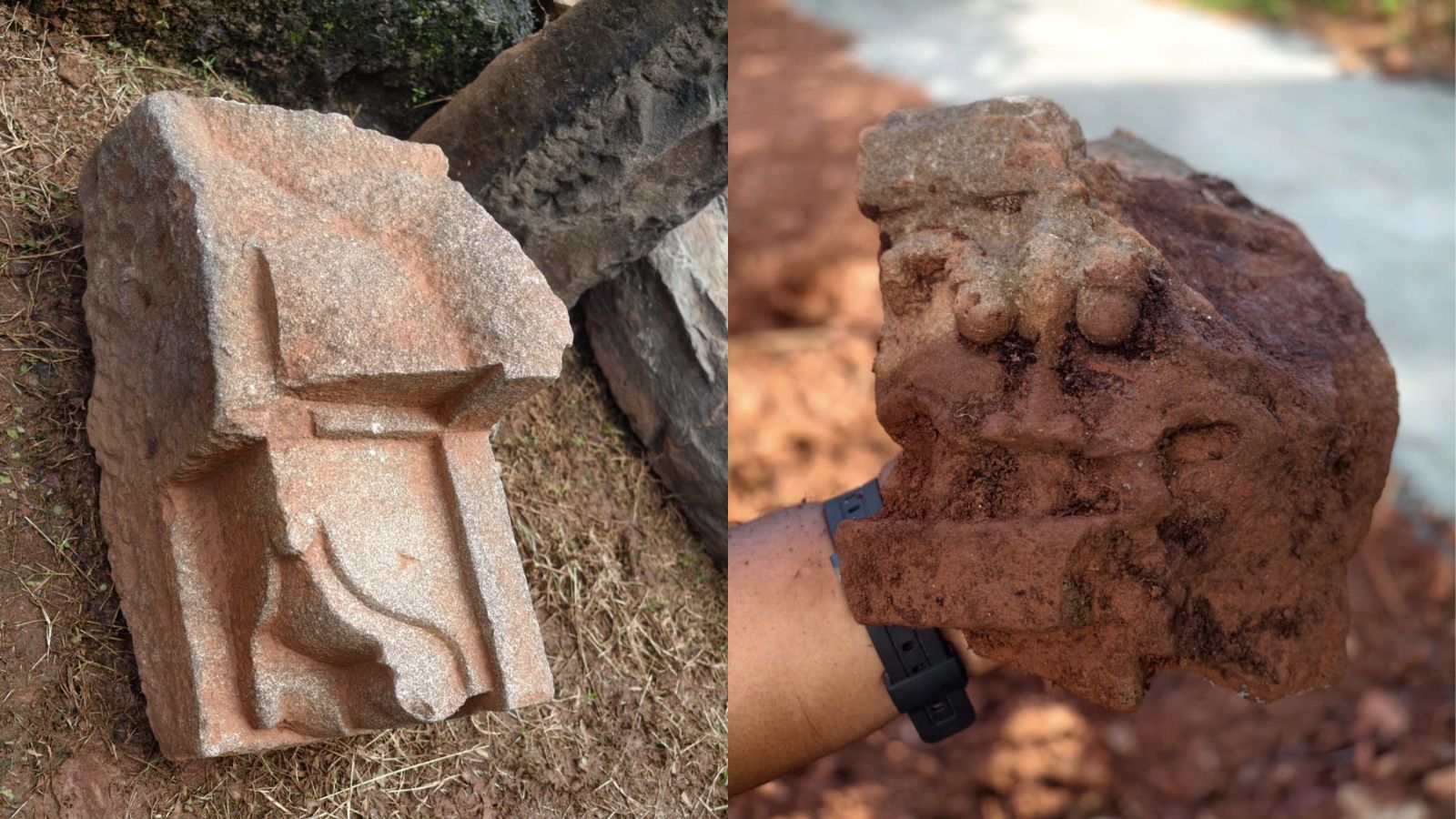
During restoration work at the old site of the Saptakoteshwar temple in Divar, archaeologists uncovered relics dating from the 14th to the 16th centuries. The discoveries included a Kirtimukh motif and a carved capital of a temple pillar, which indicate the existence of an ancient temple complex and a corridor at the site. Sawant noted the site’s historical record, including that the temple was associated with Divar and that portions of the temple’s tradition were shifted after destruction in the 16th century.
Sawant referenced prior announcements that the cabinet approved development of a Koti Tirth corridor, with plans to construct a new Saptakoteshwar temple at the old historic site in Divar. He estimated that about 1,000 temples in Goa were destroyed and framed the corridor project as part of restoring places of worship that were damaged during earlier rule. He connected these events to broader narratives about Goa’s history, including the Inquisition and religious conversions under later rulers.
In recounting Goa’s history, Sawant highlighted the Kadamba era as a period of strength and cultural achievement, and he credited the Maratha king Shivaji with halting religious conversions in the state. He reiterated that the Portuguese period is central to the region’s historic memory and stressed the importance of remembering Goa’s rulers prior to Portuguese contact. The report notes that the temple at Saptakoteshwar in Naroa, Divar, existed during the Kadamba dynasty and underwent multiple transformations over the centuries, including destruction and rebuilding under successive regimes.
Sources reviewed
Project Chintan independently synthesized and analyzed information cross-checked across the sources listed above.
Related stories
Ladakh extends autonomous hill councils to all seven districts

Kharge demands FIR over Haldwani purification row after Nadda assurance

MP to test fuel access ban for uninsured vehicles in pilot district