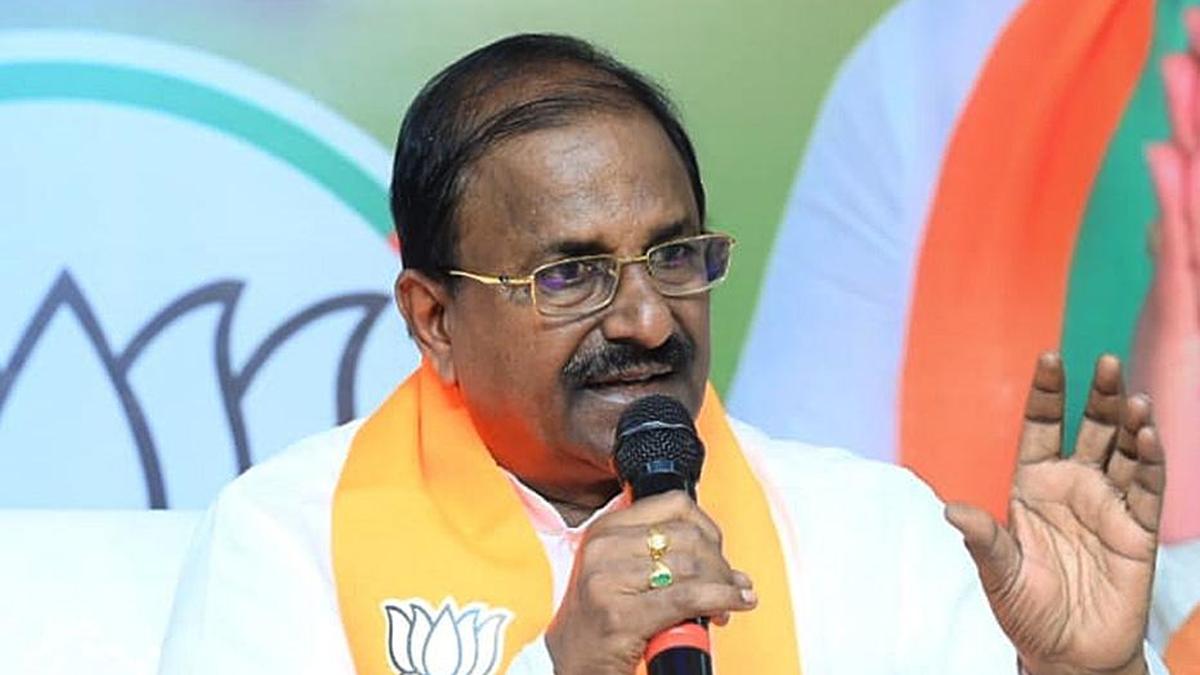
MP to test fuel access ban for uninsured vehicles in pilot district
Madhya Pradesh will pilot denying fuel to vehicles without valid insurance at petrol pumps. The move aims to strengthen road-safety enforcement via cameras linked to the VAHAN system and expand the Zero-Fatality District programme to nine districts.
Key takeaways
- MP will pilot denying fuel at petrol pumps for vehicles without valid insurance in the district with the most uninsured vehicles.
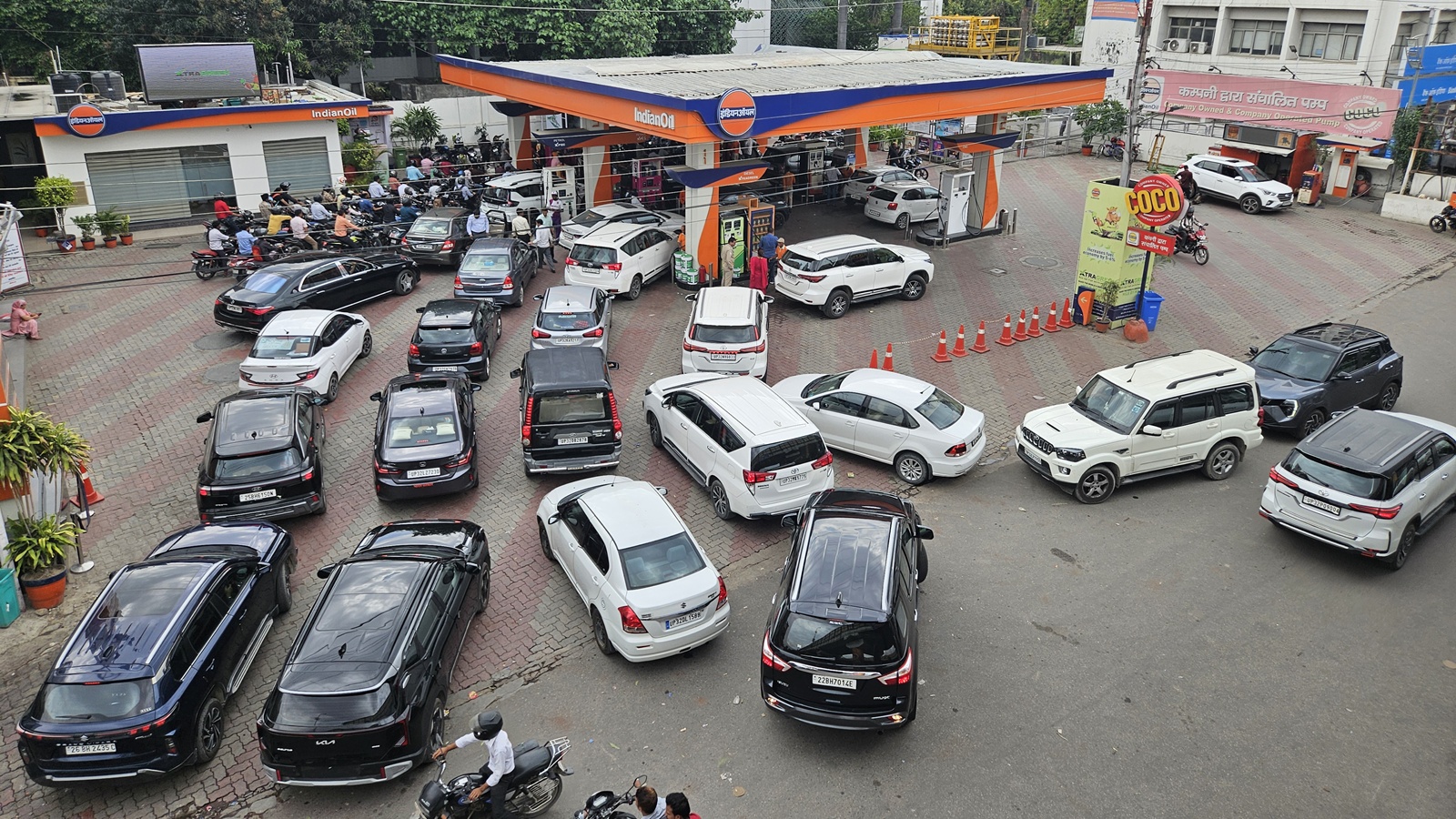
- Cameras at pumps will be connected to the VAHAN system to identify uninsured vehicles.
- The Zero-Fatality District programme is expanding from six to nine districts, adding Indore, Bhopal and Ujjain to the existing districts.
What Happened
Officials in Madhya Pradesh directed the launch of a pilot project that could bar vehicles without valid insurance from purchasing fuel at petrol pumps. The pilot will be conducted in the district that has the highest number of uninsured vehicles, with cameras to be installed at petrol stations and integrated with the VAHAN database to identify vehicles lacking valid insurance. If successful, the system is expected to roll out to other districts in phases. The move forms part of the broader Zero-Fatality District programme, which is being expanded from six to nine districts in the state.
During a meeting chaired by Justice Abhay Manohar Sapre, who heads the Supreme Court Committee on Road Safety, the Chief Secretary’s Office approved the pilot and the district-selection approach. Officials were urged to finalize discussions with the Union Ministry of Road Transport and Highways and technical experts to implement the plan at the earliest opportunity. The Supreme Court’s prior proposals included integrating automatic number-plate recognition cameras with VAHAN and insurance databases to automatically identify uninsured vehicles.
Indore, Bhopal and Ujjain will be added to the existing list of districts where the Zero-Fatality District programme is already in place, increasing the total to nine districts. The government also indicated financial provisions and the use of CSR initiatives and technology to support these efforts.
Alongside the enforcement measures, authorities highlighted the ongoing challenge of road fatalities in the state, which were reported to average around 13,000 deaths per year. Officials noted a reduction in fatalities in the first six months of 2026 compared with the same period in 2025 and attributed this trend to targeted road-safety measures. The plan also calls for community participation, with local committees and incentives for residents to contribute to accident-prevention efforts. Emergency response improvements were discussed as well, including efforts to shorten the time taken to transport accident victims to hospitals in urban areas, which has been reported as 16 minutes on average.
Why It Matters
The pilot represents a shift toward making vehicle insurance a prerequisite for a basic service—fuel access—aimed at tightening enforcement against uninsured vehicles. If scaled, the policy could raise insured-vehicle coverage and potentially influence road-safety outcomes by removing uninsured vehicles from circulation. The expansion of the Zero-Fatality District programme signals a broader, state-wide push to reduce fatalities through a combination of enforcement, technology, and community involvement, alongside improvements in emergency response time.
Background
MP faces substantial road-safety challenges, with a reported annual death toll around 13,000 in recent figures cited by officials. The Supreme Court's road-safety framework has previously proposed linking automatic number-plate recognition cameras with VAHAN and insurance databases to support automated uninsured-vehicle detection. The current initiative seeks to operationalize that concept in a pilot, test its effectiveness, and then expand it to additional districts.
Key Facts
- The pilot will target vehicles without valid insurance, potentially denying them fuel at petrol pumps in the selected district.
- Cameras will be installed at petrol pumps and linked to the VAHAN portal to identify uninsured vehicles.
- The uninsured-vehicle pilot is part of expanding the Zero-Fatality District programme from six to nine districts in Madhya Pradesh.
- The nine-district expansion includes Indore, Bhopal and Ujjain joining the existing Dhar, Satna, Rewa, Sagar, Jabalpur and Khargone districts.
- Average road-accident fatalities in MP are about 13,000 per year, according to the meeting’s figures.
- Fatalities in the first six months of 2026 declined by around 800 compared with the same period in 2025, as per officials’ statements.
- The state plans to use financial provisions, CSR initiatives and technology to implement the programme.
- Officials aim to implement the plans within a time-bound framework and encourage local community participation in road-safety measures.
What Happens Next
Officials will conduct discussions with the Union Ministry of Road Transport and Highways and technical experts to finalize the pilot’s design. The district with the highest number of uninsured vehicles will host the initial rollout, after which the system would be expanded to other districts in phased steps. The government intends to monitor the pilot’s effectiveness and consider broader implementation if results prove favorable, while continuing to enhance emergency-response logistics and community involvement as part of the broader safety strategy.
Sources reviewed
Project Chintan independently synthesized and analyzed information cross-checked across the sources listed above.
Related stories
Patnaik calls for reversal of MMDR amendment, calls it black day for Odisha
Goa circular on 500m drug-free zones faces Opposition critique

15 children injured as school bus overturns in Regidi mandal