
Ladakh extends autonomous hill councils to all seven districts
The Ladakh administration approved LAHDCs for seven districts, extending elected local self-governance beyond Leh and Kargil. The move aims to deepen decentralised planning and reflect local needs, with elections to be held in due course after formal notification.
Key takeaways
- LAHDCs are now established in seven districts of Ladakh, expanding from the previous two-district model.
- Elections will be held after delimitation and official notification formalities are completed.
- The move is framed as strengthening grassroots governance and district-level development planning.
What Happened
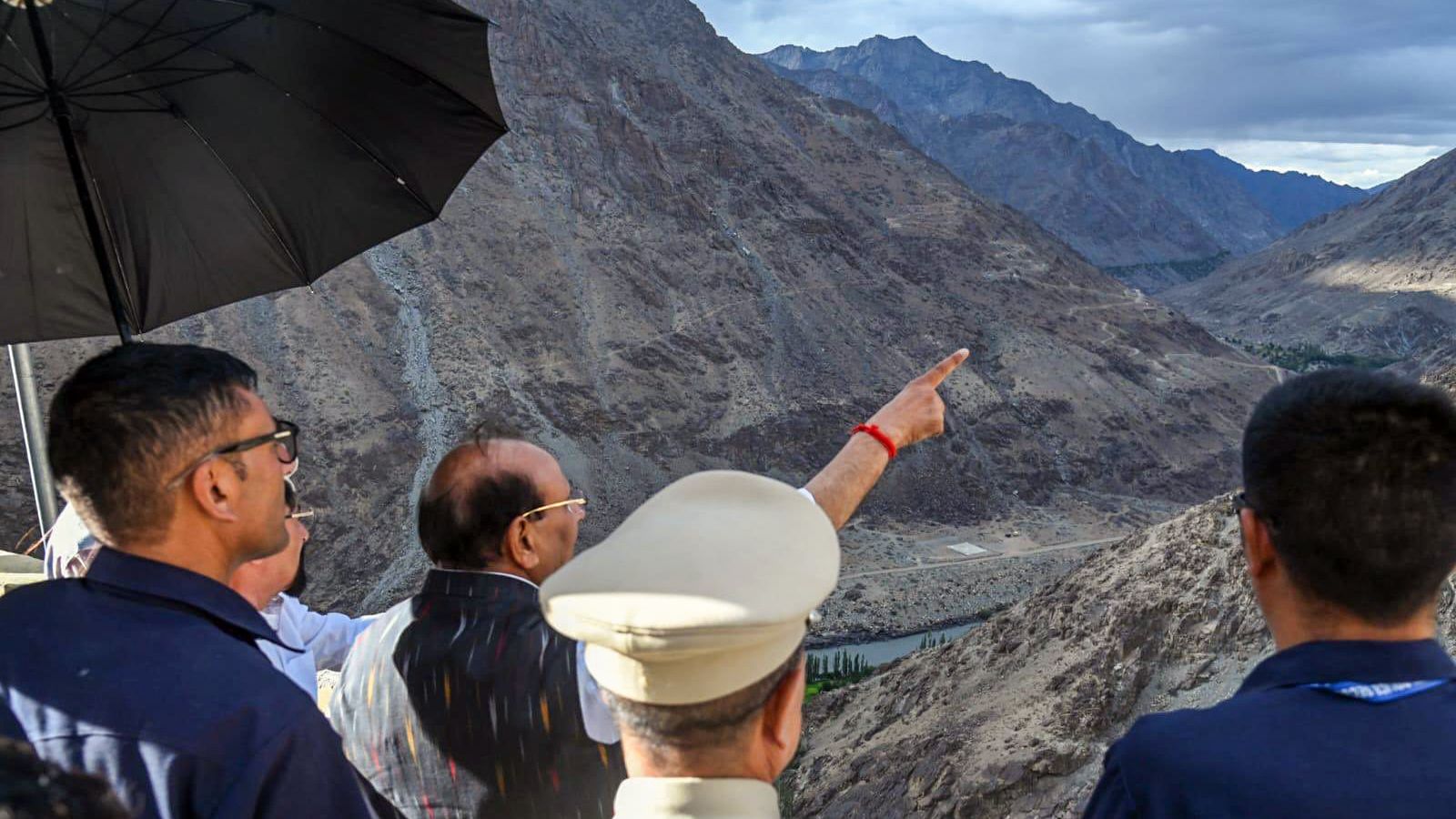
The Ladakh Lieutenant Governor Vinai Kumar Saxena approved the formal notification establishing seven Ladakh Autonomous Hill Development Councils (LAHDCs) across all districts. Previously, LAHDCs operated only in Leh and Kargil. The seven districts now covered are Leh, Kargil, Sham, Nubra, Changthang, Zanskar and Drass. The changes follow the Centre’s July 13 announcement and are expected to pave the way for district-level planning and development through elected councils. Elections to the newly constituted councils will be conducted after the delimitation and related preparations, once the notification is in force.
Why It Matters
Officials describe the move as strengthening participatory governance and bringing development closer to residents by enabling district-level priorities to be shaped locally rather than by distant administrative centers. Supporters argue it broadens grassroots representation and accountability in a geographically challenging region. Critics and local groups have long sought broader democratic representation and protections for land and environment under regional frameworks; the new councils are framed as a step toward addressing those aspirations at a district level.
Background
LAHDCs were created under the Ladakh Autonomous Hill Development Councils Act, 1997, with powers over land use, development planning, employment schemes, health, sanitation, and local transport. The territory was reorganised into a Union Territory in 2019, and five new districts—Sham, Nubra, Changthang, Zanskar and Drass—were added to Ladakh, expanding the need for local governance bodies. The 2026 approvals extend the existing model to all seven districts, aligning with ongoing governance reforms and local demands for broader self-rule and representation.
Key Facts
- LAHDCs approved for seven districts: Leh, Kargil, Sham, Nubra, Changthang, Zanskar, Drass
- Original LAHDC framework dates to 1997 under the LAHDC Act
- Centre’s July 13 announcement preceded local notification and approvals
- Elections to newly established councils to be held after delimitation and official notification
What Happens Next
Delimitation of council boundaries and election preparations are expected to proceed, with elections to the seven LAHDCs to be scheduled in due course following the formal notification and administrative steps. Prime Minister Narendra Modi and Home Minister Amit Shah are acknowledged by local officials as supportive in this governance expansion.
Sources reviewed
Project Chintan independently synthesized and analyzed information cross-checked across the sources listed above.
Related stories
Kharge demands FIR over Haldwani purification row after Nadda assurance

MP to test fuel access ban for uninsured vehicles in pilot district
Patnaik calls for reversal of MMDR amendment, calls it black day for Odisha