
Central India Braces for Intense Rainfall Surge Despite Weak Seasonal Outlook
Weather models predict a significant spike in monsoon activity across Madhya Pradesh and Maharashtra through mid-August. While the national season may finish below historical averages, localized low-pressure systems are triggering extreme precipitation events.
Key takeaways
- Central India will experience a significant moisture surge between August 8 and August 15.
- The IMD maintains a seasonal forecast of 90% of the long-period average due to El Nino impacts.
- Short-term weather systems are overriding broader seasonal deficits to cause localized flooding risks.
- Madhya Pradesh, Maharashtra, and Chhattisgarh are the primary targets for the upcoming heavy rain spell.
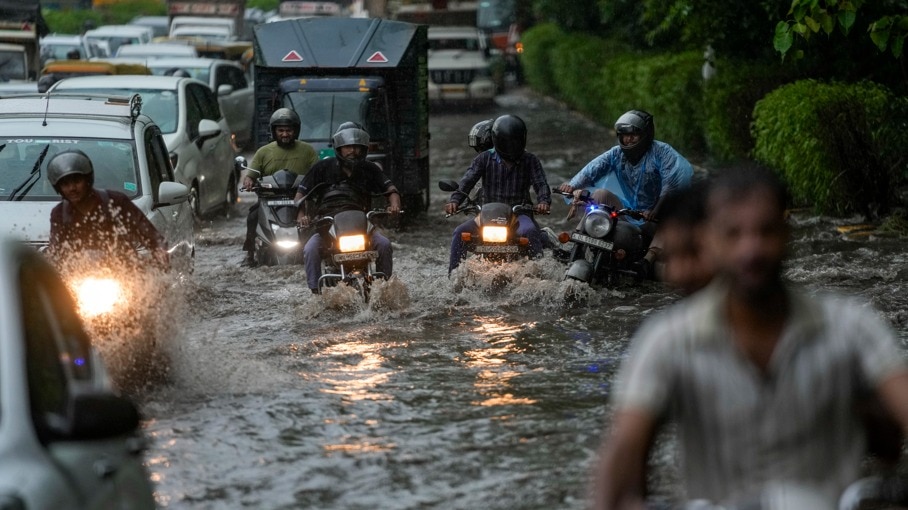
Regional Saturation Predicted Through Mid-August
Meteorological data from the European Centre for Medium-Range Weather Forecasts (ECMWF) indicates a sharp increase in monsoon intensity across the Indian interior. Between August 8 and August 15, atmospheric conditions are expected to funnel heavy moisture into Madhya Pradesh, Chhattisgarh, and Maharashtra. Projections suggest accumulated rainfall could exceed 100-200 mm in specific corridors, with the Northeast also positioned for isolated high-volume totals.
The Paradox of a Below-Normal Season
This localized surge occurs against a backdrop of a struggling national monsoon. The India Meteorological Department (IMD) currently projects seasonal rainfall to settle at approximately 90% of the long-period average. Atmospheric scientists attribute this broader deficit to developing El Nino conditions in the Pacific. However, internal weather dynamics prove that a deficient season does not preclude dangerous, short-term flooding events. The core monsoon zone remains susceptible to intense bursts driven by transient low-pressure systems and shifts in the monsoon trough.
Why It Matters
The contrast between long-term forecasts and short-term reality presents significant logistical challenges. While the overall season may lack total volume, the concentration of rain into brief, violent windows increases the risk of urban waterlogging and flash floods. Experts note that a warming atmosphere enhances moisture capacity, leading to these increasingly volatile precipitation patterns even when seasonal totals underperform.
Key Facts
- ECMWF models forecast widespread moderate to heavy rain for Central India through August 15.
- Accumulated totals in specific pockets are expected to reach between 100 mm and 200 mm.
- The IMD predicts a below-normal national monsoon at roughly 90% of the long-period average.
- Recent observations already confirm heavy rainfall in East Rajasthan, Odisha, and Chhattisgarh.
- El Nino conditions continue to influence the broader seasonal moisture deficit across the subcontinent.
Source: India Today
Related stories
Gujarat Forecast: Rainfall Set to Increase Across Specific Districts from August 8

Strait of Hormuz Stalemate: Tehran and Washington Clash Over Preconditions for Reopening

Tehran Nears Maritime Deal With Oman as Strait of Hormuz Reopening Remains Conditional
