Yantrasast leads Yuge Yugeen Bharat Museum project
Architect Kulapat Yantrasast is guiding the transformation of Delhi’s North and South Block into the Yuge Yugeen Bharat Museum, described as potentially the world’s largest. The project involves integrating artisans from across India and rethinking museum storytelling for the internet era.
Key takeaways
- Kulapat Yantrasast is heading the consortium that designs the Yuge Yugeen Bharat Museum in New Delhi.
- The project aims to repurpose the North Block and South Block into what is billed as the world’s largest museum, via a public tender won last year by the Ministry of Culture.
- Interior work will involve artisans from across India to reflect diverse voices in furniture, wood, stone, metal, textiles, and adornments.
- Exhibits will be thematically organized around core strands of Indian civilization rather than by chronology or region.
- The museum seeks to balance grandeur with a human, accessible experience and views technology as a tool for inspiration, not just information.
What Happened
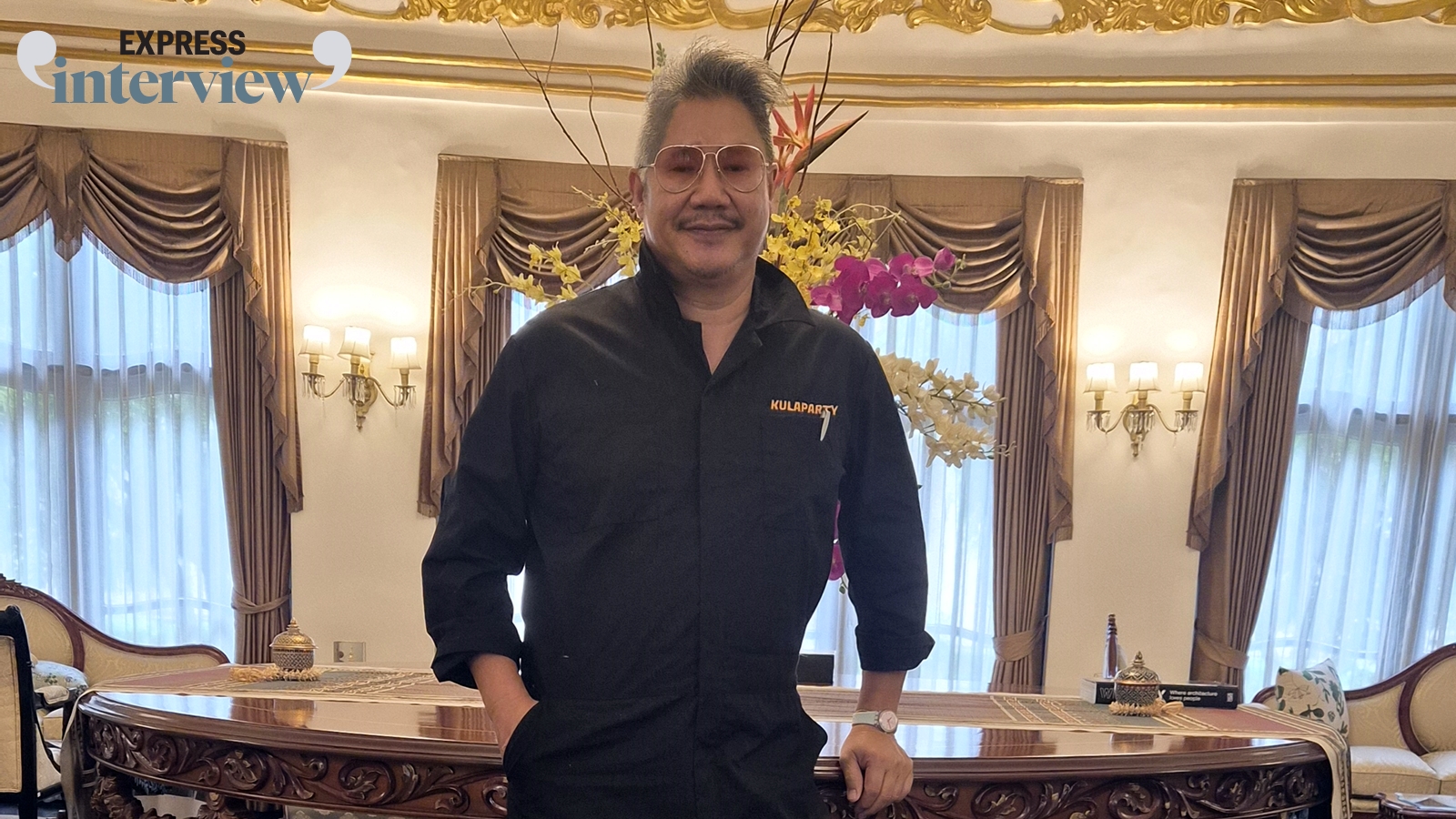
Architect and designer Kulapat Yantrasast, noted for recent high-profile museum work in New York and Paris, is spearheading a major redevelopment in New Delhi. He is leading the transformation of the North Block and South Block buildings into the Yuge Yugeen Bharat Museum, which is described as aiming to be the largest museum in the world. The project was selected through a public tender process by the Ministry of Culture, with Yantrasast heading the design consortium.
The plan emphasizes inclusivity in interior craftsmanship, bringing artisans and craftsmen from across India to contribute to elements such as furniture, woodwork, stone, and metal. The goal is to ensure that diverse Indian voices are represented in the building’s fabric, from textiles and adornments to architecture and languages, so that visitors from different regions feel reflected in the space.
In discussing the museum’s role in the digital age, Yantrasast notes a shift from museums being primarily information hubs to spaces of inspiration. He argues that while technology enables access to cultural content remotely, the museum experience should offer something that cannot be substituted by online media.
The exhibit strategy is planned to move away from strict chronological or regional displays. Instead, objects will be organized around overarching themes that relate to long-standing aspects of Indian civilization, including adornment, architecture, astrology, and cosmology, with an emphasis on connections to the broader sense of self and the universe. The project envisions objects from across India being selected to support these themes.
Yantrasast has toured collections across the country as part of the commissioning process and has indicated that the interior program will reflect a national scope rather than a narrow regional focus. Specific challenges and details highlighted include balancing the museum’s grand architectural presence with a human-centered experience and ensuring accessibility for diverse audiences.
Sources reviewed
Project Chintan independently synthesized and analyzed information cross-checked across the sources listed above.