
Four Pandit homes in Wandhama stand as relics of a 1998 massacre
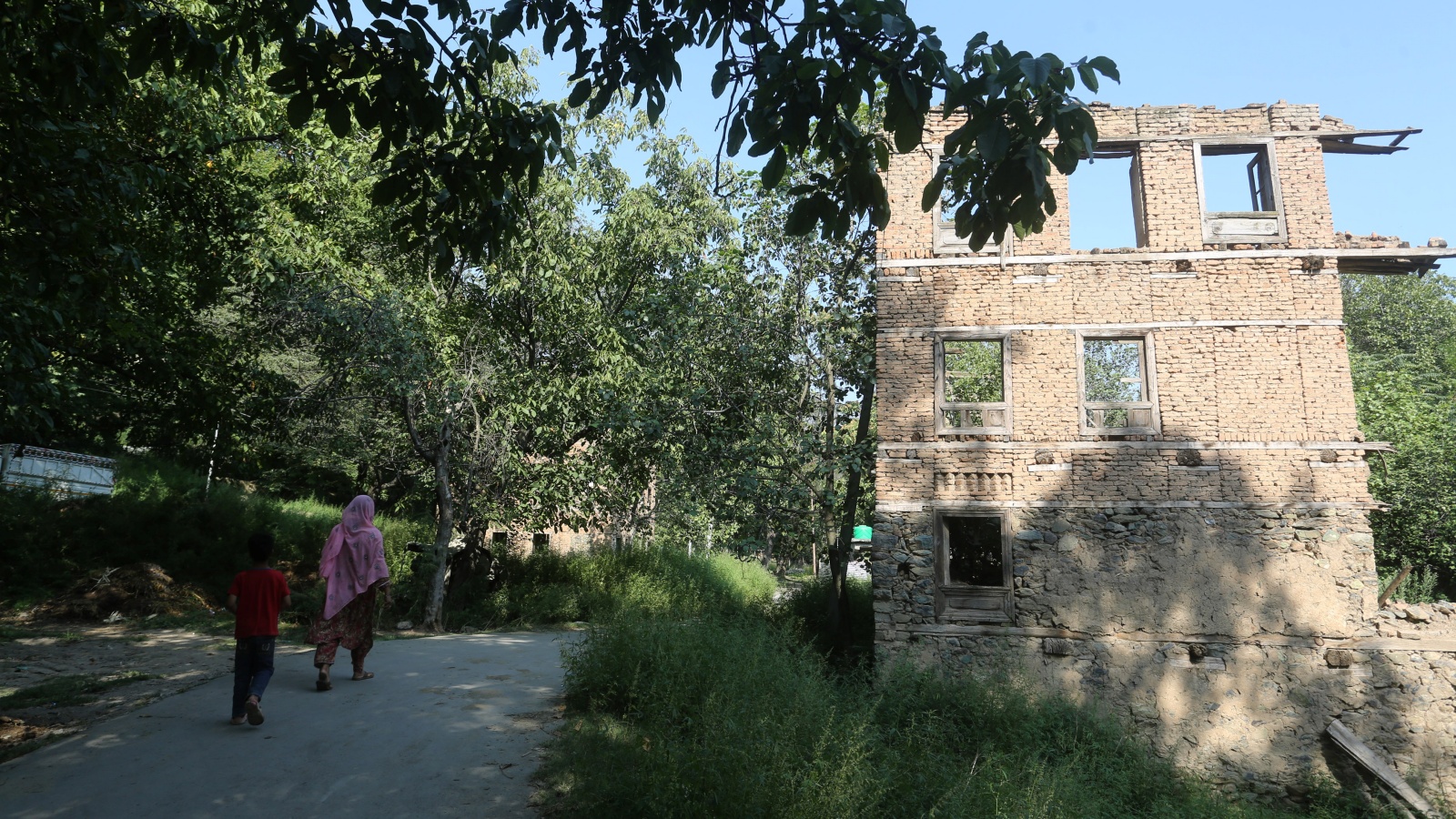
In Wandhama, four dilapidated Pandit homes persist as a somber reminder of a 1998 massacre. Police opened an investigation into the incident on August 25, 2026, as locals recount the killings and the village’s changing landscape two decades later.
Key takeaways
- Wandhama hosts four surviving Pandit houses amid newer construction in the village.
- The 1998 massacre in Wandhama killed 23 Pandits, including children and women, with one teenager surviving.
- The State Investigation Agency opened an investigation into the Wandhama killings on August 25, 2026.
What Happened
In the Kashmiri village of Wandhama, located in Ganderbal district near the Srinagar-Ladakh highway, four rundown brick-and-stone houses once belonging to Kashmiri Pandits remain. The structures survive as weathered remnants amid newer concrete homes and growing vegetation. The area’s memory centers on a mass killing that occurred on the night of January 25-26, 1998, when militants in Army fatigues entered Wandhama, gathered Pandits, and opened fire, resulting in 23 deaths, including four children and nine women. Five of the deceased were guests of Pandit families, and one teenager survived by hiding in a charcoal-filled house after fleeing through the village when the gunfire subsided. Two weeks before the reporting, an elderly couple’s reunion highlighted memories of those days, underscoring how the event remains a defining moment for both Pandits and the village.
The police action tied to the case progressed with the Jammu & Kashmir Police’s State Investigation Agency (SIA) opening an investigation into the Wandhama killings on August 25, 2026. This step forms part of an ongoing effort to re-examine the 1990s militancy-era violence against Kashmiri Pandits in the valley.
Why It Matters
The continuation of investigations into the Wandhama killings indicates continued attempts to address past violence and hold it to account, even as the village evolves with new infrastructure and rebuilt homes nearby. The remnants of the Pandit households—four structures that locals say survive while three other Pandit houses were purchased and replaced—underscore how a community confronts memory while undergoing demographic and architectural change. The timing of the SIA’s latest inquiry places this event within a broader pattern of revisiting historic crimes associated with the 1990s exodus and militancy in Kashmir.
Background
Wandhama sits in central Kashmir’s Ganderbal district and is described as a site where the 1998 massacre unfolded after militants attacked during a period when many Pandits left the Valley for Jammu. At that time, the village had seven Pandit houses; reports indicate only four remain standing among the original properties. Residents recount that, on the night of the attack, most men were at the mosque for Ramazan prayers, and initial gunfire was misinterpreted as celebratory fire because it occurred around Republic Day. The massacre left a lasting imprint on the village’s memory and the Pandit community’s sense of safety and belonging in the region.
Key Facts
- Location: Wandhama village, Ganderbal district, Kashmir
- Event: Attack in which militants killed 23 Kashmiri Pandits (including four children and nine women) on January 25-26, 1998
- Survivor: One teenager survived by hiding in a house; observed by local residents
- Houses: Four Pandit homes remain; three Pandit houses were purchased and replaced by new construction
- Recent development: August 25, 2026—Jammu & Kashmir Police’s State Investigation Agency opened an investigation into the Wandhama killings
- Current landscape: A nearby highway corridor has been developed, with newer concrete homes replacing some older structures
What Happens Next
The article notes the SIA’s ongoing inquiry into the Wandhama killings as of August 2026, suggesting future procedural steps or findings may emerge as investigators review archival material and interview residents or witnesses. No concrete next steps beyond the current investigation are specified in the material.
Sources reviewed
Project Chintan independently synthesized and analyzed information cross-checked across the sources listed above.
Related stories

RSS chief Bhagwat: those who want no Muslims in Bharat are not Hindus
India rejects UN panel findings on rights violations
UN panel flags rights concerns in India, calls NRC suspension