
India rejects UN panel findings on rights violations
New Delhi rejected a UN committee's observations on discrimination against marginalised groups, saying responses would follow established procedures. The UNCERD report also criticised India's NRC in Assam and electoral revisions affecting Bengali-speaking Muslims.
Key takeaways
- India rejected the UNCERD report alleging discrimination against scheduled tribes, scheduled castes, and Rohingya refugees.
- The inter-ministerial delegation led by Solicitor General Tushar Mehta rejected the report's generalisations during the review.
- The UNCERD criticised Assam's NRC and raised concerns about Bengali-speaking Muslims and the SIR process affecting voters in West Bengal and Assam.
What Happened
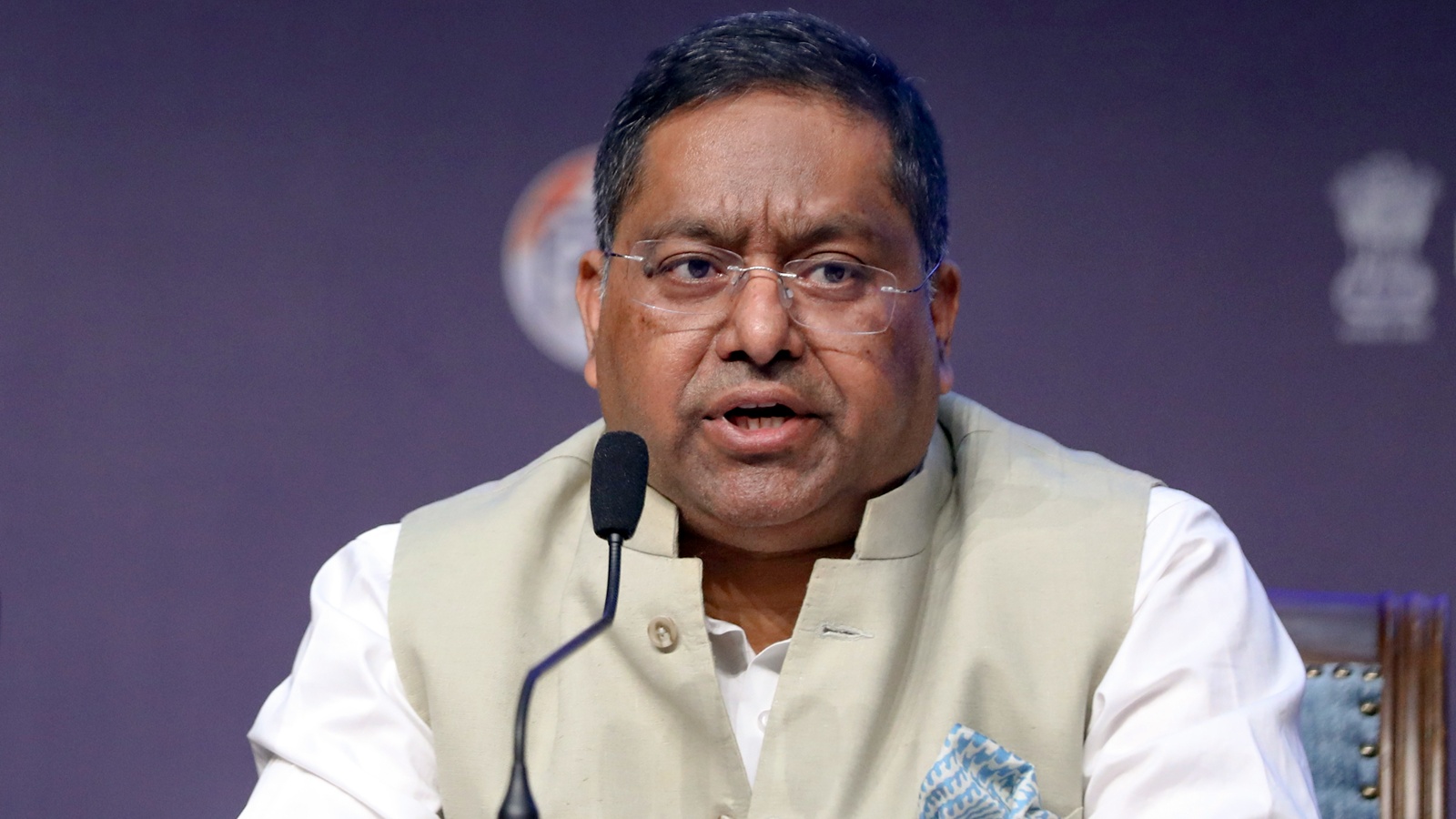
India's Ministry of External Affairs spokesperson Randhir Jaiswal said New Delhi rejects a report by the UN Committee on the Elimination of Racial Discrimination (UNCERD) that alleged discrimination against certain ethnic and religious groups in the country. The statement followed UNCERD's concerns about human rights violations against scheduled tribes, scheduled castes, and Rohingya refugees, and its call for actions against those involved in hate crimes. The government noted its commitment to combating racial discrimination and stated that the inter-ministerial delegation led by Solicitor General Tushar Mehta had rejected sweeping generalisations and unsubstantiated allegations during the review.
The UNCERD report also criticised the National Register of Citizens (NRC) process in Assam and raised concerns about Bengali-speaking Muslims being categorised as non-original inhabitants, warning of potential mass deprivation of citizenship. It highlighted concerns about the Election Commission of India's Special Intensive Revision (SIR) process and suggested that Bengali-speaking Muslim voters were disproportionately affected in West Bengal and Assam.
Why It Matters
The UN panel's observations focus on protections for marginalised groups and the treatment of rights-related issues within India's constitutional and legal framework. India's response signals adherence to its established channels for addressing international scrutiny, while maintaining that it will respond to the committee’s observations through formal procedures.
Background
The UNCERD report raised concerns about rights violations against scheduled tribes, scheduled castes, and Rohingya refugees in India and urged protective action against hate crimes. It also scrutinised India's NRC in Assam and the status of Bengali-speaking Muslims, along with the SIR process affecting voters in specific states. The Indian government asserted its constitutional safeguards and legal framework as part of its response.
Key Facts
- UNCERD flagged concerns over rights violations against scheduled tribes, scheduled castes, and Rohingya refugees.
- The panel urged action against individuals involved in hate crimes in India.
- UNCERD criticised the NRC implementation in Assam and Bengali-speaking Muslims being described as non-original inhabitants.
- The report called for suspending or reviewing the NRC and examining the legislative framework.
- The Election Commission's Special Intensive Revision (SIR) process was noted as having potentially disproportionate impact on Bengali-speaking Muslim voters in West Bengal and Assam.
- India's inter-ministerial delegation, led by Solicitor General Tushar Mehta, rejected sweeping generalisations and unsubstantiated allegations during the review.
What Happens Next
The MEA said India will respond to the UNCERD observations through its established procedure. No further date or specific steps are announced in the material provided.
Sources reviewed
Project Chintan independently synthesized and analyzed information cross-checked across the sources listed above.
Related stories

India 150 Years Ago: The Photographer Behind Rare Photos of Taj, Sanchi, Ellora & More
UN panel flags rights concerns in India, calls NRC suspension
Telangana HR Commission urges action on school infra after reports of classes under trees
