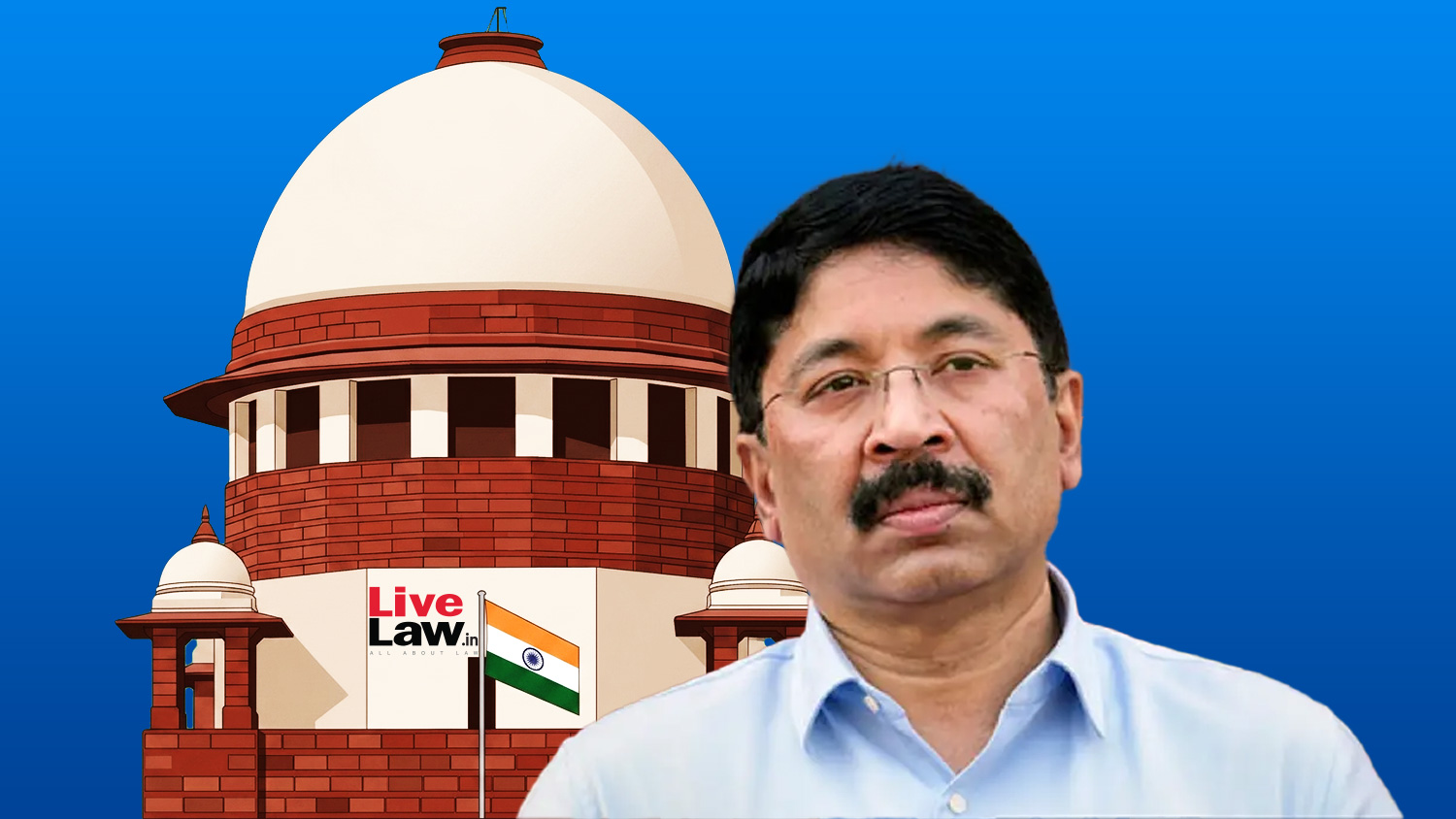
Unions push back after Supreme Court narrows industry definition
Trade unions warn that a Supreme Court ruling limiting the traditional “industry” definition under the new Industrial Relations Code weakens worker protections. They argue the decision tilts toward corporate interests and leaves key questions to future litigation.
Key takeaways
- The Supreme Court held that the 1978 industry definition should not automatically apply to the Industrial Relations Code.
- Union leaders say the decision shifts focus from work substance to employer status, risking weaker labour protections.
- A broad interpretation of exclusions in the Code is demanded to ensure constitutional compatibility and safeguard workers.
- Unions warn that privatisation, outsourcing, and public-private partnerships could intensify if protections are eroded.

What Happened
Indian trade unions reacted strongly to a nine-judge Supreme Court bench decision that said the establishment of what counts as an "industry" under the 1978 Krishna Iyer-era standard should not apply to the newly implemented Industrial Relations Code. The unions contend the ruling reduces protections for workers by shifting focus from the nature of work to the institutional status of the employer, and they warn this could invite greater outsourcing, privatisation, and other arrangements that weaken collective bargaining power.
Leaders from major unions, including the All India Trade Union Congress (AITUC) and the Centre of Indian Trade Unions (CITU), described the decision as reflecting a tilt toward managerial and institutional interests. They argued that the Code’s exclusions—such as those for sovereign functions and charitable or philanthropic institutions—need strict, constitutionally compatible interpretation, and that governmental activity should not automatically be treated as sovereign or as erasing an industrial character simply because of an employer’s institutional label.
Unions also criticized the majority for leaving crucial questions unresolved, rather than addressing the implications of the Code’s narrower terms. They warned that the ruling occurs in a context where privatisation, outsourcing, contractualisation, and public-private partnerships are increasingly common in the economy, potentially disadvantaging workers.
Some union leaders recalled the landmark 1978 decision that established a triple test for determining an industry—systematic activity, employer-employee relationship, and production or distribution of goods or services for human needs—along with the idea that a profit motive is not required. They said that this broader interpretation has guided labour law for decades and should not be diluted by the present judgment.
Separately, trade union officials cautioned that the verdict could erode labour protections and destabilise industrial peace, indicating that workers may have to resume historically acute efforts to safeguard rights amidst a changing legal framework.
Sources reviewed
Project Chintan independently synthesized and analyzed information cross-checked across the sources listed above.
Related stories

Kerala High Court flags poor conditions at Kuthiravattom mental health centre
Kerala HC notices VACB Director on DGP probe plea

Court lauds scrapped MGNREGA as salutary, rejects label of freebie