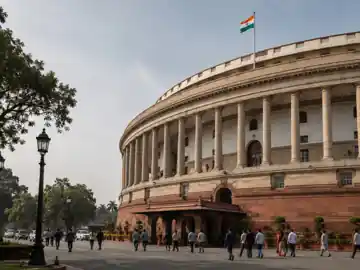
Court lauds scrapped MGNREGA as salutary, rejects label of freebie
The Supreme Court praised the repealed MGNREGA as a salutary scheme, saying it was neither a freebie nor exploitation. The hearing involved activist Aruna Roy and examined wage delays, with discussion on the new VB-G RAM G Act and funding shifts.
Key takeaways
- The Supreme Court described the scrapped MGNREGA as a salutary scheme, not a freebie or exploitation.
- Activist Aruna Roy challenged delayed wages and sought compensation under MGNREGA.
- The VB-G RAM G Act is cited as the successor framework with reported employment declines and higher guaranteed work days.

What Happened
The Supreme Court, hearing a petition from activist Aruna Roy about delayed wages under the MGNREGA, praised the repealed Mahatma Gandhi National Rural Employment Guarantee Act as a salutary scheme. The court stated it was neither a freebie nor exploitation of rural workers. The discussion occurred as the bench considered the petition and examined questions around minimum wages and the status of a successor framework, identified as the VB-G RAM G Act, which purportedly replaced MGNREGA.
The petition also explored whether the statutory guarantee of rural work could be elevated to a fundamental right under Article 21, though the court drew a distinction between a guaranteed right to work and a broader constitutional right to life. Advocates argued about minimum wage standards and the division of funding, with references to changes in the new law’s framework and financial shares for states.
Why It Matters
The court’s remarks frame MGNREGA in a historically favorable light amid ongoing debate over the effectiveness of its successor and the shift to central control. The case highlights tensions between wage protection, state funding responsibilities, and the legality of guaranteeing work within a rights-based versus policy-driven approach. The proceedings also signal potential judicial scrutiny of how minimum wages and funding arrangements interact with employment guarantees.
Background
The MGNREGA was repealed and replaced by a newer framework, described in the proceedings as the VB-G RAM G Act, with claims of reduced employment generation despite more guaranteed work days (from 100 to 125 per household annually). Advocates contended that states would bear a smaller share of funds under the current arrangement, while the discussion returned to whether the right to work should be treated as a fundamental right or a policy objective. The petition by Aruna Roy sought directions for wage payments due and compensation, while also prompting questions about the constitutional status of the right to work.
Key Facts
- Supreme Court on August 21, 2026, praised the repealed MGNREGA as a salutary scheme.
- The court described MGNREGA as neither a freebie nor exploitation of rural workers.
- The petitioner is activist Aruna Roy, seeking delayed wage payments under MGNREGA and compensation.
- The successor framework cited is the VB-G RAM G Act, referred to as replacing MGNREGA.
- Reports accompany claims of a 50% drop in employment generation under the new framework.
- Guaranteed work days allegedly increased from 100 to 125 per household annually under the new law.
- Funding for states is claimed to have shifted from a 90:10 ratio to 60:40 under the new framework.
- The court considered whether minimum wage thresholds should be aligned with local conditions and existing state standards.
- Justice Joymalya Bagchi questioned elevating the statutory guarantee to a fundamental right; the court indicated the right to work is not automatically a fundamental right under Article 21.
What Happens Next
The bench directed the petitioner to file a new petition while disposing of the current one, signaling ongoing judicial review but without setting a new timetable for wage payments or deeper constitutional rulings beyond the questions raised.
Sources reviewed
Project Chintan independently synthesized and analyzed information cross-checked across the sources listed above.
Related stories

Delhi Police to register FIR over July 20 pellet injuries
Supreme Court Sets Aside Madras HC Order on Telecom Secretary as Witness
Supreme Court cuts three-year practice to one year for judiciary entry