UK Enhances Space Weather Monitoring as Severe Storms Hit South Africa
The UK Met Office has integrated new forecasting models to protect critical infrastructure from solar storms, while South Africa's Weather Service has issued high-level alerts for disruptive snow and wind.
Key takeaways
- The UK Met Office is integrating five new space weather models from the SWIMMR program to protect electricity and GPS networks.
- A G5-level solar storm in May 2024 successfully tested new UK transformer alarm forecasting models.
- South Africa has issued a Level 6 snow warning for the Eastern Cape, anticipating significant travel and service disruptions.
- The UK Department for Transport released guidance to help aviation and maritime sectors mitigate GPS and radio errors caused by solar flares.

UK Advancements in Space Weather Resilience
The UK Meteorological Office is transitioning five new forecasting models into its operational services to mitigate risks from severe space weather. Developed through the £20 million SWIMMR (Space Weather Innovation, Measurement, Modelling and Risk) programme between 2019 and 2024, these tools target radiation hazards, solar wind, and ionospheric disruption. Full integration at the Met Office Space Weather Operations Centre (MOSWOC) is expected by late 2026.
These models aim to protect electricity grids, aviation, and satellite navigation systems. During the May 2024 solar storm, a new end-to-end forecasting system correctly identified substations where transformer alarms were subsequently triggered. In response to that G5-level event, the National Electricity System Operator (NESO) suspended maintenance and requested additional generating capacity. Future resilience plans include a proposed network of 80 to 100 current sensors across England and Wales to monitor geomagnetically induced currents.
Transport Sector Guidance
The Met Office and the Department for Transport (DfT) have released new guidance for the aviation, maritime, rail, and road sectors. The documentation helps operators interpret alerts regarding solar flares and geomagnetic storms, which can cause high-frequency radio disruption and GPS positioning errors. While most space weather events have minimal impact, the guidance uses historical data, including the 1859 Carrington Event, to model potential risks to modern infrastructure.
Severe Atmospheric Weather in South Africa
Simultaneously, the South African Weather Service (SAWS) has issued an Orange Level 6 warning for disruptive snow in parts of the Eastern Cape, including the Chris Hani District. A cold front and cut-off low are expected to impact multiple provinces, including the Free State, Western Cape, and KwaZulu-Natal through August 11.
Regional Weather Impacts
- Snowfall: Significant accumulations may lead to isolated communities and major traffic disruptions in the Eastern Cape and near the Lesotho border.
- Wind and Waves: A Yellow Level 4 warning is active for the KwaZulu-Natal coast, posing risks to small harbours and coastal settlements.
- Rain and Thunderstorms: Level 2 warnings for disruptive rain and severe thunderstorms have been issued for parts of Gauteng, the North West, and the Free State, with potential for localized flooding.
Disaster management units in KwaZulu-Natal have been placed on high alert as the system brings very cold conditions and rough seas to the region.
Sources reviewed
Project Chintan independently synthesized and analyzed information cross-checked across the sources listed above.
Related stories

Magnora and Blix Group Partner for Artificial Intelligence Data Center in Oslo
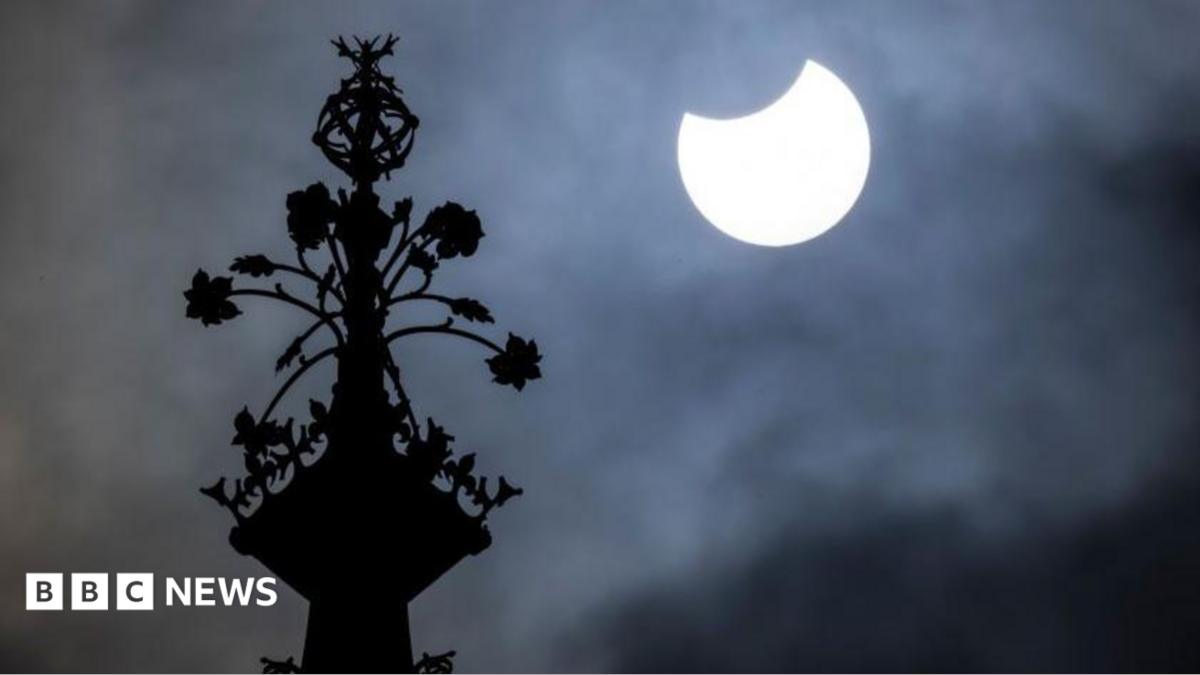
European Regions Prepare for Major Partial Solar Eclipse on August 12

Localisation Fails to Save Ithuba's National Lottery Bid Against International Scale