
UK Supply Chains Struggle to Meet Demand for Safety Equipment Ahead of Solar Eclipse
British retailers are reporting a widespread shortage of certified eclipse glasses ahead of the country's most significant solar event since 1999. Experts warn that standard sunglasses are insufficient for protection against permanent retinal damage.
Key takeaways
- Retailers and official institutions like Royal Museums Greenwich have completely sold out of certified solar eclipse glasses.
- Standard sunglasses do not provide adequate protection and may increase the risk of eye damage by reducing glare.
- The 90% solar obscuration will be the UK's most significant eclipse event in 27 years.
- Retinal damage can occur without pain, as evidenced by 70 documented cases of vision impairment during the 1999 eclipse.
What Happened
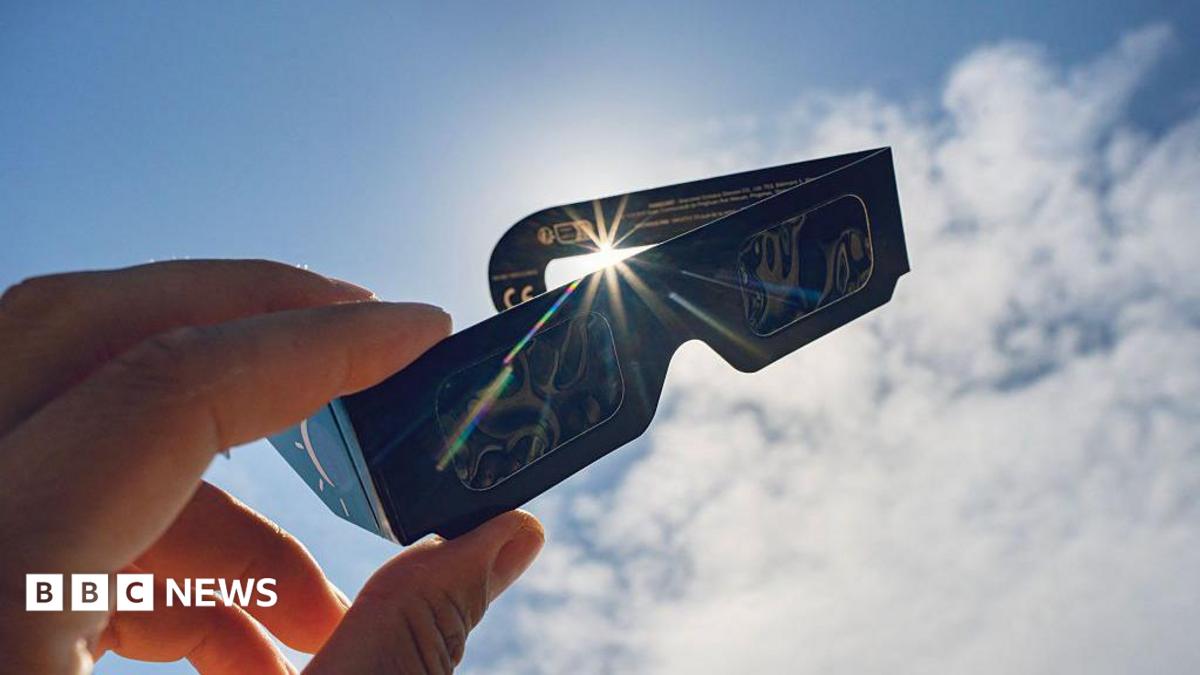
Retailers across the United Kingdom are facing a total exhaustion of stock for ISO-certified solar eclipse glasses. High-street businesses, including bakeries acting as unconventional distributors, report selling hundreds of units in single mornings as consumers bypass online retailers plagued by delivery delays and sell-outs. Even official institutions, such as the Royal Museums Greenwich, have reported an unprecedented volume of orders that has depleted their entire inventory.
Why It Matters
The supply shortage coincides with the UK's most significant solar eclipse in 27 years, with approximately 90% of the sun expected to be obscured. Health officials and ophthalmologists have issued urgent warnings regarding eye safety. The Royal College of Ophthalmologists notes that the retina lacks pain receptors, meaning individuals may not feel the onset of solar maculopathy while it occurs. Historical data from the 1999 eclipse shows that roughly 70 people reported vision issues, with 40% of those affected having viewed the sun for less than 60 seconds.
Background
Safe viewing requires specialized eyewear meeting the ISO 12312-2 international standard. These lenses are distinct from regular sunglasses as they block the vast majority of light, rendering everything invisible except the sun itself. Experts warn that using standard sunglasses can actually increase ocular damage by reducing glare and allowing the viewer to look at the sun for longer periods without discomfort.
Key Facts
- The upcoming eclipse is the most significant in the UK since 1999, with 90% solar coverage.
- Safety glasses must carry the ISO 12312-2 certification to be considered effective.
- Health officials advise against using binoculars, telescopes, or camera viewfinders even when wearing eclipse glasses due to the magnification effect.
- The Royal College of Ophthalmologists recorded 70 cases of vision damage following the 1999 eclipse.
- Pinhole projectors made from card or cardboard boxes are recommended as safe, indirect alternatives for those without glasses.
What Happens Next
With specialist gear largely unavailable for immediate delivery, experts recommend that individuals without certified glasses utilize indirect viewing methods. This includes watching via livestreams or constructing homemade pinhole projectors to avoid direct exposure. Medical professionals advise anyone experiencing vision changes after the event to consult an eye-care specialist immediately.
Sources reviewed
Project Chintan independently synthesized and analyzed information cross-checked across the sources listed above.
Related stories

Female Drivers to Operate New Thalli Bidda Express Fleet
European Supply Shortages Reported Ahead of Rare Total Solar Eclipse
