
Severe Typhoon Dolphin Disrupts Power and Travel in Okinawa Before Approaching China
At least five individuals sustained injuries as high-velocity winds and torrential rain swept through Japan's southwestern islands. The storm currently tracks toward the Chinese coast, prompting school and port closures ahead of expected landfall.
Key takeaways
- Typhoon Dolphin caused power outages in 44,000 buildings across Japan's southwestern islands.
- Five elderly residents in Okinawa suffered non-life-threatening injuries due to high winds.
- Naha International Airport canceled all flights and closed operations starting Friday.
- China has initiated port and school closures ahead of the typhoon's expected landfall on Sunday or Monday.
Regional Impact and Infrastructure Damage
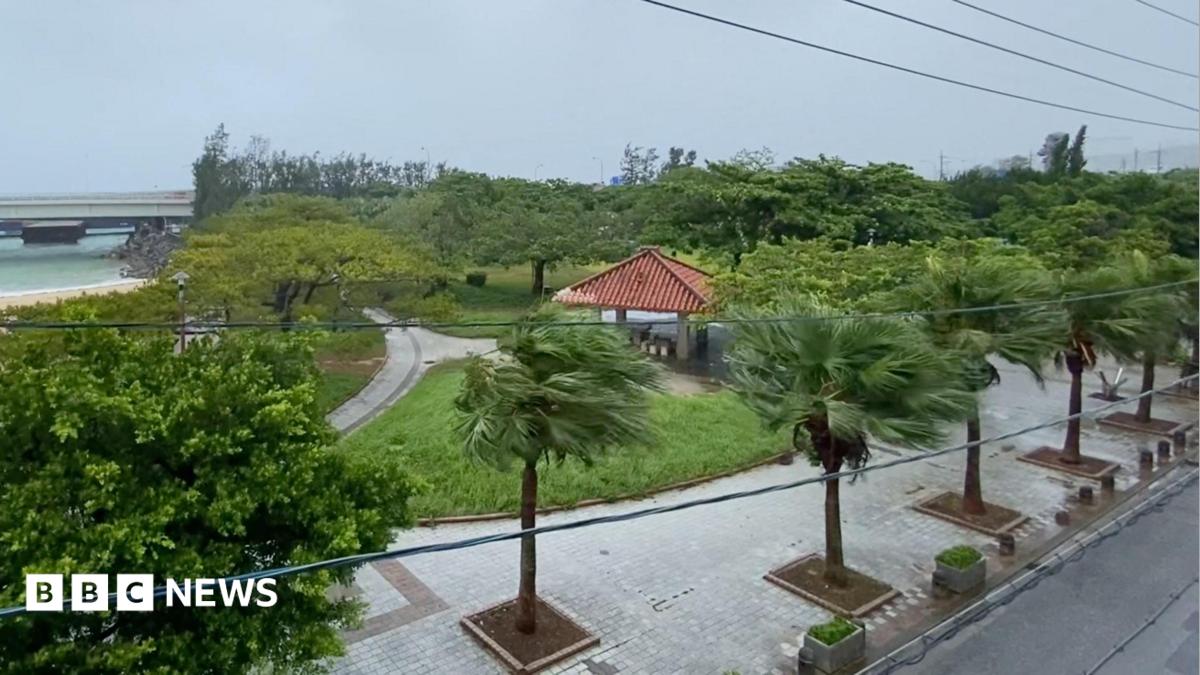
Typhoon Dolphin struck the Okinawan and Amami island chains on Saturday, leaving a trail of physical destruction and utility failures. Data from local authorities indicates that at least 44,000 structures lost electricity during the peak of the weather event. In the city of Nago, strong gusts uprooted trees and overturned vehicles, including one instance where a car was discovered leaking oil in a public parking area.
Human Toll and Transport Halts
The Okinawan prefectural government confirmed that five elderly residents were injured during the storm, though none of the injuries are considered life-threatening. Official reports specify that three of these individuals were knocked down by powerful wind gusts. Transport networks faced total paralysis as Naha International Airport suspended all flight operations and closed its gates on Friday in anticipation of the arrival of the storm.
Key Facts
- Maximum wind speeds reached 162 kilometers per hour (101 mph) on Saturday.
- The Japan Meteorological Agency officially categorized the system as a "very strong" typhoon.
- Regional warnings remain in effect for lightning strikes, storm surges, and dangerous waves.
- Over 44,000 buildings experienced power outages across the affected Japanese islands.
What Happens Next
Meteorologists expect Dolphin to reach the eastern coast of China late Sunday or by the early hours of Monday morning. Chinese officials have already implemented emergency measures, including the closure of schools and maritime ports, to mitigate the impact of the storm's projected landfall.
Source: BBC — World
Related stories

Odisha Flood Crisis: Seven Lakh Displaced as Record Rainfall Submerges 20 Districts

Jorge Messi, Architect of Son's Football Legacy, Dies at 68

Spain Initiates Reciprocal Border Checks as Schengen Dispute with Italy Escalates
