
Tamil Nadu withdraws order to curb student protests linked to CJP and Left parties
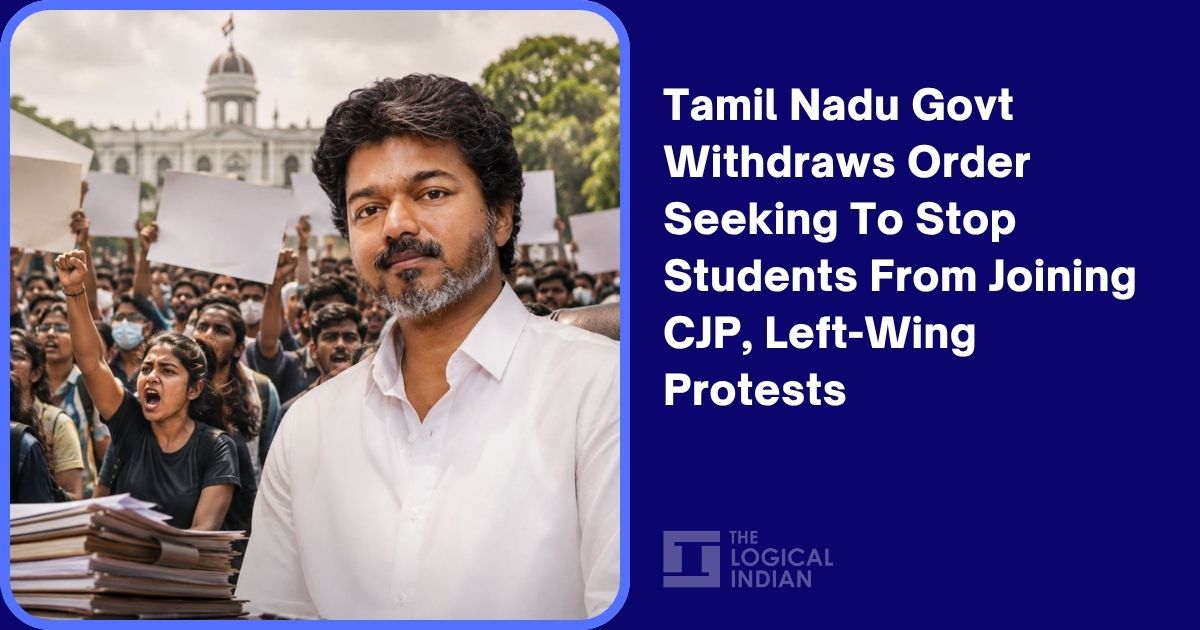
Tamil Nadu's Department of Collegiate Education withdrew an August directive aimed at preventing student participation in protests by Left parties and the Cockroach Janata Party. The move follows internal communications and public backlash surrounding NEET-related student mobilisation.
Key takeaways
- Tamil Nadu government withdrew an August directive to coordinate actions to deter student participation in protests linked to Left parties and the CJP.
- The order involved multiple departments and asked colleges to report actions taken by a set deadline.
- The rollback followed criticism that the directive was unconstitutional and illogical, with broader NEET-related protest context cited in coverage.
What Happened
The Tamil Nadu government withdrew an August directive that instructed officials to prevent students and young people from taking part in protests and agitations organized by Left parties and the Tamil Nadu unit of the Cockroach Janata Party (CJP). The order was issued earlier in August and involved multiple state bodies, including the School Education and Higher Education departments, the police, and district administrations. A subsequent communication from the Directorate of Collegiate Education (DCE) asked government arts and science colleges to coordinate actions and report steps taken. The rollback was announced on August 19 amid criticism from the CJP and others who called the move unconstitutional and irrational.
The initial directive, dated August 14, directed interdepartmental coordination to discourage student participation in protests and requested colleges to submit action details. The DCE described the matter as urgent and sought an action-taken report from college heads by a specified deadline. News coverage noted that the controversy arose in the context of broader student and youth mobilisation around NEET and related examinations in Tamil Nadu.
Why It Matters
Experts and opposition figures argued the order raised questions about students’ rights to peaceful political activity. The CJP condemned the move as unconstitutional, and the incident fed into wider debates about government steps to influence student political engagement. The government’s withdrawal indicates political sensitivity around protests and NEET-related agitation in the state, as well as efforts to manage public demonstrations in the lead-up to legislative considerations on education policy.
Background
The directive emerged after a period of student and youth mobilisation over NEET examinations and related concerns in Tamil Nadu. Reports described exchanges between the government and protesters, including talks by health ministers and actions related to NEET protests. A separate local order from a Guzhiliyamparai taluk official requesting details on Left party and CJP members in the area also drew attention before being withdrawn, with the taluk official transferred in the aftermath.
Key Facts
- August 14, 2026: Original directive issued to coordinate action to discourage student participation in protests, targeting Left parties and the CJP.
- August 17, 2026: Directorate of Collegiate Education issued a marked urgent communication to colleges to report actions taken and to coordinate with relevant departments.
- August 19, 2026: Government withdrew the directive following backlash; CJP criticized the move as unconstitutional.
- Action required: Colleges to submit an action-taken report by August 20, 2026.
- Context: Related NEET protest dynamics and related government actions in Tamil Nadu during the same period.
What Happens Next
At the time of reporting, there was no further public indication of revised guidelines or new parameters governing student participation in protests. The withdrawal suggests a pivot away from the earlier coercive framing, but no official statement on future policy changes related to student protests or NEET-related demonstrations had been provided in the materials.
Sources reviewed
Project Chintan independently synthesized and analyzed information cross-checked across the sources listed above.
Related stories

Congress hits census 2027, calls questionnaire flawed and nefarious
Jharkhand cancels CGL exam after protests, leaving 2,000 job seekers uncertain

Chouhan administers Sapt Dhara pledge at Pusa, outlines agri roadmap
