
TikTok leads to discovery of translucent underground eel species in India
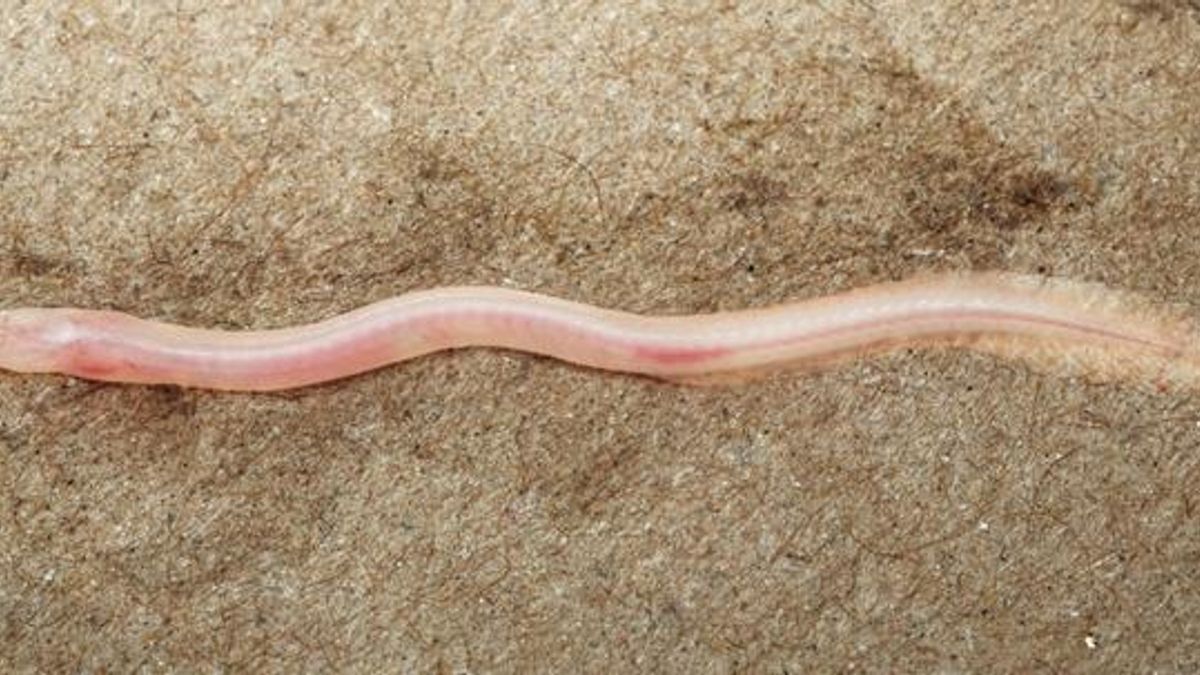
Researchers traced a 2024 TikTok clip to a borewell in the India-Nepal border region, yielding a new genus and species of subterranean earthworm eel. The 4 cm fish, Gangaichthys indonepalicus, is the first stygobitic fish documented in the Gangetic Basin.
Key takeaways
- A 2024 TikTok video prompted researchers to locate and sample a borewell fish in the India–Nepal border region.
- Gangaichthys indonepalicus is a new genus and species of earthworm eel, 4 cm long, and fully adapted to life in total darkness.
- This fish is the first stygobitic (underground-dwelling) fish documented from the Gangetic Basin.
What Happened
The discovery began after researchers encountered a 2024 TikTok video showing a slender, colorless fish emerging from a borewell on the India–Nepal border. Following the clip, scientists conducted fieldwork in Bihar, repeatedly pumping groundwater from local handpumps to locate and sample the creature. The first specimen appeared after pumping roughly 2,000 litres of water; it was injured during ascent and died. A second, intact specimen was found after pumping an additional 500 litres. Genetic analysis and micro-CT imaging then placed the fish in a new genus within the earthworm eel family Chaudhuriidae, naming it Gangaichthys indonepalicus, with the genus designation reflecting its subterranean lifestyle and the species epithet referencing the Ganga basin. This fish is described as the first known stygobitic (fully underground-dwelling) fish from the Gangetic Basin. The formal description was published in ZooKeys, confirming both a new genus and species.
Why It Matters
The find highlights how little scientists know about subterranean aquatic ecosystems in South Asia. The fish’s translucent body, absence of pigment, reduced eyes beneath skin, and apparent lack of ribs align with adaptations for life in complete darkness, underscoring the distinct evolutionary path of organisms living entirely underground. The discovery expands the known biodiversity of the Gangetic Basin and emphasizes the potential for additional, undiscovered stygobitic species in the region.
Background
The specimen was recovered from a borewell near the India–Nepal border, in the Gangetic plains of northern India. Researchers pumped water from local borewells and handpumps to obtain samples, a process described as challenging and time-consuming due to permissions and access to pumping sites. The animal belongs to Chaudhuriidae, commonly called earthworm eels, but its morphology was distinctive enough to warrant a new genus. The study notes that subterranean aquatic organisms often encounter sampling equipment rarely, meaning many lineages may remain hidden beneath densely populated landscapes.
Key Facts
- New genus and species named: Gangaichthys indonepalicus
- First subterranean fish documented from the Gangetic Basin
- Location of discovery: borewell in Bihar near the India–Nepal border
- Length: about 4 cm (1.6 inches)
- Physical traits: unpigmented, nearly transparent body; eyes concealed beneath skin; reduced ribs
- Sampling effort: first specimen after pumping ~2,000 litres of water; second intact specimen after an additional ~500 litres
- Methods confirming identity: genetic analysis and CT imaging
- Taxonomic family: Chaudhuriidae (earthworm eels)
- Publication: ZooKeys (scientific description of a new genus and species)
- Status: first confirmed stygobitic fish from the Indo-Gangetic plains
What Happens Next
The article notes ongoing interest in subterranean biodiversity in the region and suggests that many more species may await discovery. No further field plans or scheduled expeditions are stated in the materials provided.
Sources reviewed
Project Chintan independently synthesized and analyzed information cross-checked across the sources listed above.
Related stories
New Seahorse Named for Indian Ocean Scientist

Elephants help India’s forests store carbon, study says

Thiruvananthapuram zoo to protect rare Arara nut-tree