
Supreme Court to Review Delhi Police's Use of Facial Recognition on Protesters
India's Supreme Court will examine the legality of Delhi Police's use of facial recognition and biometric surveillance on protesters at Jantar Mantar. The court will consider if this mass surveillance infringes on fundamental rights and if data held by private companies is lawful.
Key takeaways
- The Supreme Court of India will examine the legality of facial recognition and biometric surveillance used by Delhi Police on protesters.
- A petition argues that these surveillance methods violate fundamental rights to privacy, dignity, free speech, and peaceful assembly.
- The court has issued notices to the Centre and the Delhi Police commissioner.
- Concerns were raised about private companies holding collected biometric data.
- The plea seeks a declaration that such surveillance is unconstitutional and requests restraint on its use until legislation is enacted.
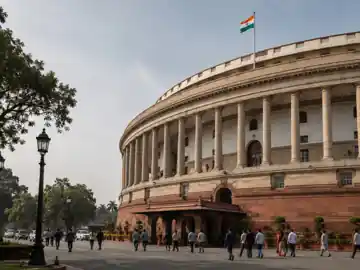
India's Supreme Court has agreed to assess the legality of the Delhi Police's employment of facial recognition technology and biometric surveillance systems during protests at Jantar Mantar. The legal challenge questions whether these practices violate citizens' fundamental rights, including privacy, dignity, free speech, and the right to assemble peacefully.
A public interest litigation filed by CPI(M) Rajya Sabha MP AA Rahim argues that the deployment of these technologies, including smart glasses and a surveillance vehicle, constitutes mass surveillance without consent. The petition also highlights concerns that biometric data collected is being retained by private companies, potentially contravening data protection rules.
The Supreme Court bench, led by the Chief Justice of India, has issued a notice to the central government and the Delhi Police commissioner. The plea seeks a judicial declaration that indiscriminate biometric surveillance of peaceful protesters is unconstitutional. It also requests that the Delhi Police be restrained from using such technologies until specific parliamentary legislation is enacted to authorize their deployment.
Additionally, the petition calls for transparency regarding the surveillance technologies, databases, operational procedures, and vendor agreements employed. It demands the deletion of protesters' biometric data from various national databases and the establishment of a mechanism for individuals to verify and request the removal of their collected information. The petitioner also seeks assurances from private vendors that collected data will be permanently deleted and not used for developing AI or facial recognition systems.
The court has decided to link this plea with other pending petitions concerning allegations of police misconduct during the July 20 "Sansad Chalo" protest. The case brings to light the use of multiple surveillance tools, including CCTV cameras, drones, a mobile command vehicle, handheld devices, the "Ikshana" surveillance vehicle, and "AjnaLens" smart glasses. Fingerprint collection through the NCRB's "Abhigyan" application and matching against the National Automated Fingerprint Identification System (NAFIS) has also been cited.
Sources reviewed
Project Chintan independently synthesized and analyzed information cross-checked across the sources listed above.
Related stories
Supreme Court Urges Regional Benches for Consumer Disputes Commission

Supreme Court to Hear Challenge on Facial Recognition Use Against NEET-UG Protesters

Delhi Police Headquarters Echoes with 'Vande Mataram' Singing