
Supreme Court Urges Regional Benches for Consumer Disputes Commission
The Supreme Court has expressed significant concern over case backlogs at the National Consumer Disputes Redressal Commission (NCDRC) and has urged the government to consider establishing regional and circuit benches. The court also called for performance audits of lower consumer commissions, emphas
Key takeaways
- The Supreme Court has highlighted a significant backlog of cases at the National Consumer Disputes Redressal Commission.
- It has urged the Indian government to consider setting up regional and circuit benches to expedite dispute resolution.
- The court is also seeking performance audits for state and district consumer commissions.
- Cases at the NCDRC currently being processed date back to 2018-2019, indicating lengthy delays.
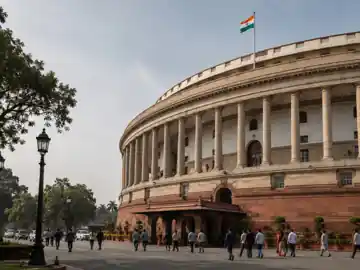
The Supreme Court of India has raised serious concerns regarding the substantial backlog of cases at the National Consumer Disputes Redressal Commission (NCDRC). On Thursday, the apex court directed the central government to explore the feasibility of establishing regional and circuit benches for the NCDRC. This move is intended to bring the redressal forums closer to consumers, eliminating the need for them to travel to Delhi.
What Happened
A bench led by Chief Justice Surya Kant and Justices Joymalya Bagchi and V. Mohana acknowledged the critical state of case pendency. The court mandated that the chairman of the NCDRC provide a comprehensive report detailing total pending cases, newly filed complaints, the average rate of case disposal, the projected time for resolving existing cases, and the necessity of increasing the commission's member strength. This report is to be submitted within two weeks. The court noted that cases currently being heard date back to 2018-2019, with some lawyers indicating that a case listed in June might not be heard again until the following year. The bench was informed that the disposal rate is low, with only 30-40 matters typically listed for a post-lunch session, few of which are resolved.
Why It Matters
The significant delays in resolving consumer disputes can cause considerable hardship and financial strain for individuals seeking redressal. The Supreme Court's intervention highlights a systemic issue within the consumer dispute resolution mechanism, suggesting that its current structure is insufficient to handle the volume of cases. By proposing regional and circuit benches, the court aims to improve accessibility and efficiency, ensuring that the consumer-friendly jurisprudence of India is effectively implemented without undue delays.
Background
The Supreme Court is actively monitoring the operational aspects of consumer commissions, including appointments, service conditions, and infrastructure. Last month, the court had suggested that states with fewer than 1,000 pending consumer disputes could potentially abolish some district consumer forums and transfer those cases to regular courts, provided they obtain approval from the relevant high courts. This suggestion was made in light of the financial unviability of maintaining separate commissions in states with low case volumes, particularly noted among smaller northeastern states and Union territories. The court also observed that some states lacked state consumer commissions headed by sitting or former high court judges.
Key Facts
- The Supreme Court expressed serious concern over the pendency of cases at the National Consumer Dispute Redressal Commission (NCDRC).
- The court urged the Centre to consider establishing regional and circuit benches for the NCDRC.
- A status report on pending cases, disposal rates, and membership needs was requested from the NCDRC chairman within two weeks.
- Cases currently being heard at the NCDRC are from 2018-2019, with significant delays in listing subsequent dates.
- The court also called for performance audits of state and district consumer commissions.
Sources reviewed
Project Chintan independently synthesized and analyzed information cross-checked across the sources listed above.
Related stories

Supreme Court to Hear Challenge on Facial Recognition Use Against NEET-UG Protesters
Supreme Court to Review Delhi Police's Use of Facial Recognition on Protesters
Supreme Court Mandates Communication of GST Arrest Orders and Reasons