
Civil Society Groups Urge Supreme Court Panel to Broaden Aravalli Consultations
Civil society groups and communities affected by mining in the Aravalli region are calling for wider consultations by a Supreme Court-appointed committee. They allege that current discussions have excluded several districts and failed to adequately represent local voices, with some facing threats.
Key takeaways
- Civil society groups have criticized the Supreme Court's high-powered committee on the Aravallis for insufficient consultations.
- Concerns include the exclusion of certain districts and local communities, as well as alleged threats from mining interests.
- Groups are requesting an extension to the committee's report deadline to allow for more comprehensive public hearings.
- Previous definitions of the Aravalli range could have left most of it unprotected, allowing for mining and construction.
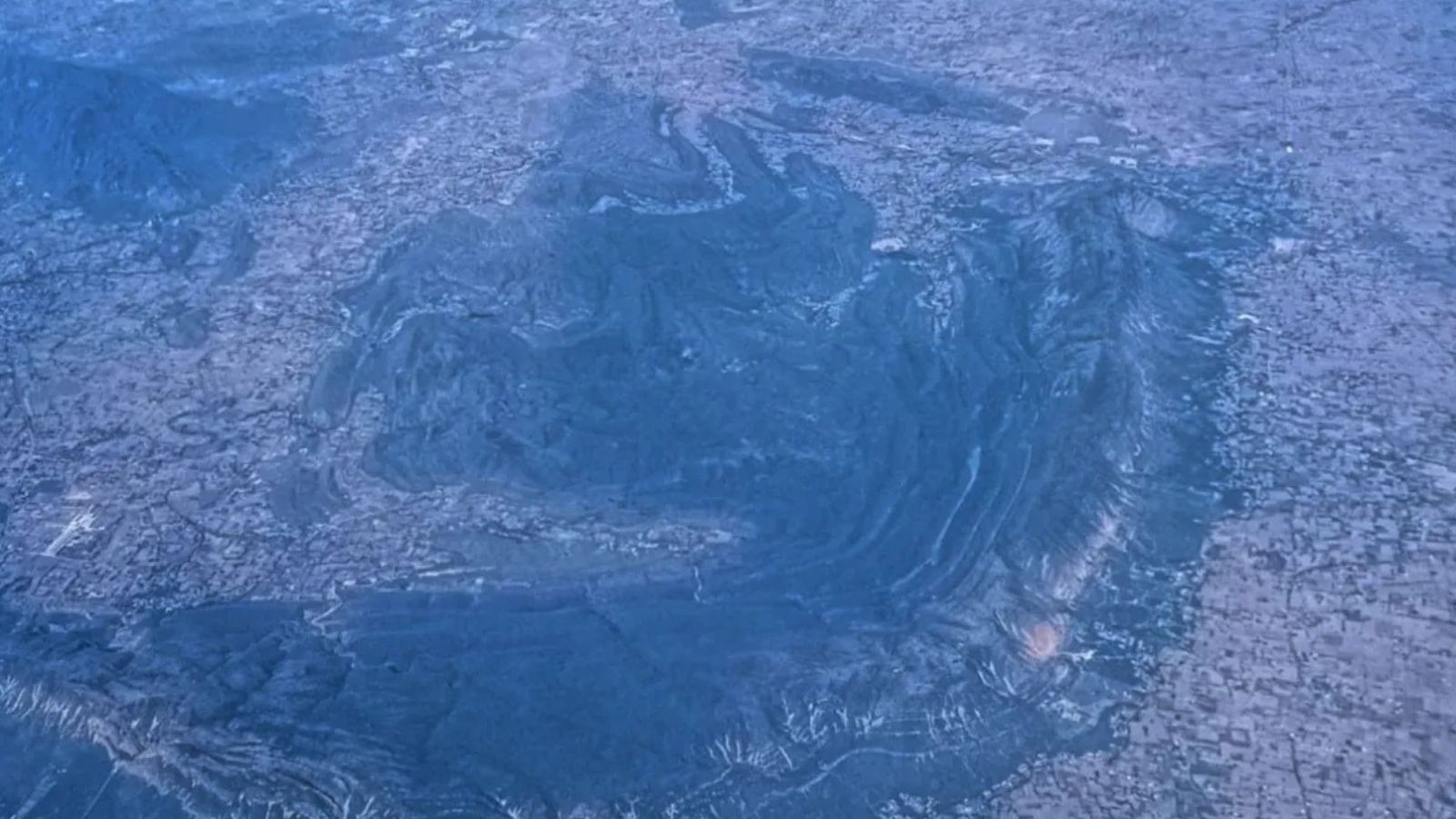
Civil society organizations and communities impacted by mining in the Aravalli region have stated that consultations conducted by a Supreme Court-constituted high-powered committee (HPC) have omitted numerous districts. These groups claim that the perspectives of local populations have not been sufficiently heard during the committee's field visits.
What Happened
Groups such as the Aravalli Virasat Jan Abhiyan, along with affected communities, have voiced concerns that the HPC's consultations have been inadequate. They reported that during the committee's field visit to Gurgaon, Alwar, Ajmer, and Udaipur between August 6 and August 10, their voices were not properly represented. Specific issues were raised regarding a meeting in Udaipur that was rescheduled, making it difficult for many villagers to attend. Concerns were also raised that a significant majority of representations during hearings in Ajmer and other cities favored mining operations. The affected communities have requested an extension to the HPC's August 31 deadline to submit its report, citing the need for more thorough engagement across all affected districts.
Key Facts
- Civil society groups and communities affected by mining in the Aravalli region have stated that consultations by the Supreme Court's high-powered committee (HPC) have excluded several districts and local voices.
- The Aravalli Virasat Jan Abhiyan and affected communities demanded an extension of the HPC's August 31 deadline for its report.
- The HPC conducted field visits and invited comments from stakeholders for 21 days, ending recently.
- Group representatives alleged that voices were not heard during HPC's field visits in Gurgaon, Alwar, Ajmer, and Udaipur from August 6-10.
- A meeting in Udaipur scheduled for August 10 was changed to the evening of August 9, hindering attendance from several villages.
- Neelam Ahluwalia of Aravalli Virasat Jan Abhiyan stated that approximately 80% of representations in Ajmer were pro-mining.
- Allegations were made that individuals speaking about the negative impacts of mining faced threats from those affiliated with mining companies in Alwar, Ajmer, and Udaipur.
- Kailash Chand Yadhav, secretary of Jodhpura Sangharsh Samiti, reported that the HPC did not visit villages affected by limestone mines and stone crushers despite it being on their agenda.
- Sadhna Meena, a Bhil Adivasi leader from Udaipur, stated the HPC visited a toxic waste dump for only 5-10 minutes and did not visit affected villages.
- The Supreme Court had established the HPC in May to address issues related to a prior report by a Union Environment Ministry panel.
- A previous panel's recommendation to define Aravallis based on a 100m elevation definition could potentially exclude over 90% of the range from protection, allowing mining and construction.
- The Supreme Court stayed its order concerning this definition in December.
Background
The Supreme Court established the HPC to review matters stemming from an earlier report. That initial report proposed defining the Aravalli range by landforms with an elevation of 100 meters or more above local relief, including slopes and adjacent areas. This definition, initially accepted by the Court, sparked significant public debate, with reporting indicating it could place over 90% of the Aravalli range outside protected zones and open it to mining and construction. The Supreme Court later stayed its order on this definition in December.
Sources reviewed
Project Chintan independently synthesized and analyzed information cross-checked across the sources listed above.
Related stories
SC Links Demolition of Illegal Homes to Rehabilitation Responsibility

Assam CM Defends Narrower Kaziranga Eco-Sensitive Zone
Friesland farmers flood fields to combat mice and drought
