
Europol Dismantles Massive Trans-Mediterranean Smuggling Ring After 78 Arrests
Authorities in Spain and Algeria have collapsed one of the largest criminal networks managing illicit traffic across the Western Mediterranean. The operation exposed a sophisticated dual-flow enterprise that traded synthetic drugs for weapons and migrants.
Key takeaways
- A massive criminal network moving drugs and migrants between Spain and Algeria has been dismantled following 78 arrests.
- The syndicate generated over 24 million euros by charging migrants up to 12,000 euros for dangerous sea crossings.
- Police seized 18 high-speed 'ghost boats' worth 5 million euros along with MDMA, firearms, and encrypted technology.
- The group operated a dual-flow system, sending synthetic drugs to Africa and returning with migrants, weapons, and cannabis.
The Mechanics of a Dual-Flow Criminal Enterprise
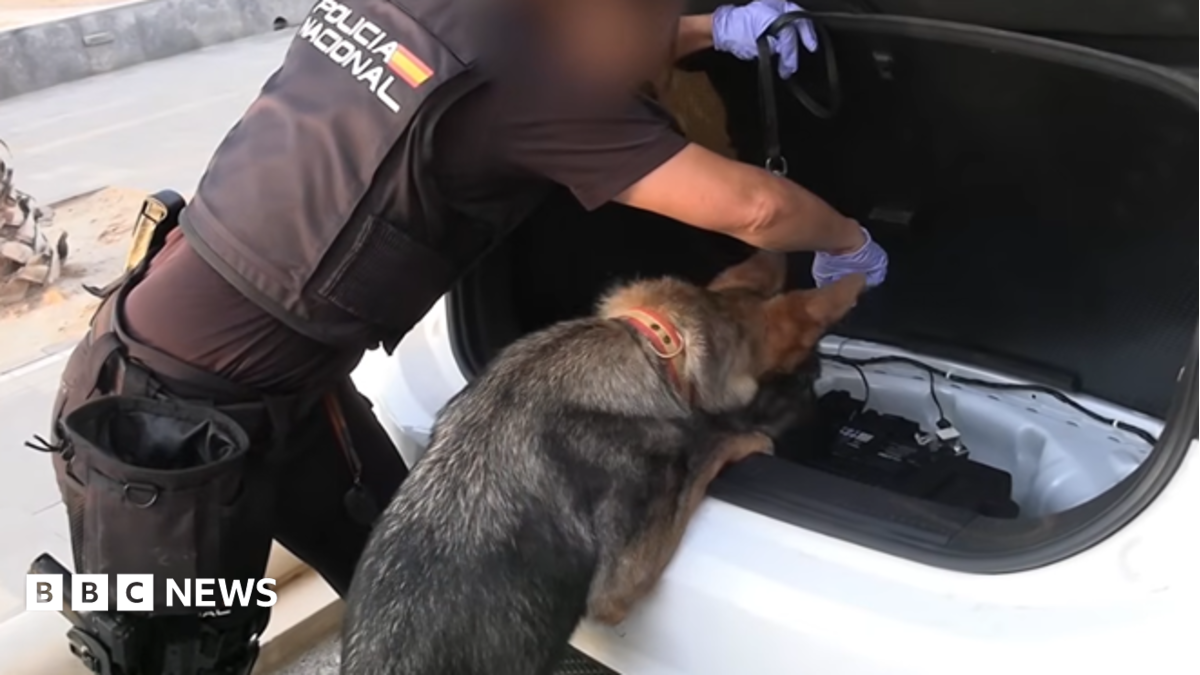
Spanish law enforcement, supported by Europol, executed searches at 17 locations across Alicante, Almería, Cartagena, and Murcia to dismantle a high-scale smuggling operation. The network specialized in a two-way logistics chain: transporting synthetic drugs from Spain and Portugal to North Africa, then returning with boats filled with migrants, cannabis, and firearms. Primarily composed of Algerian nationals, the group maintained operational links with criminal entities in Italy, France, Belgium, Poland, and Portugal.
Key Facts
- Law enforcement arrested 78 individuals across Spain and Algeria during the multi-agency sting.
- The criminal group charged migrants up to €12,000 per person, generating estimated smuggling revenues exceeding €24m.
- Seized assets included 18 high-powered 'ghost speedboats' valued at €5m, designed to evade maritime registration.
- Police recovered 15,000 MDMA tablets, €25,000 in cash, satellite communication tools, and illegal firearms.
- Investigators report the group subjected migrants to sexual assault, physical violence, and life-threatening maritime conditions.
Why It Matters
This investigation reveals the evolving nature of organized crime in the Mediterranean, where traditional drug syndicates have pivoted to human trafficking to maximize profit margins. The network utilized 'ghost speedboats' to conduct high-speed transfers in international waters, bypassing Spanish coastal defenses. Beyond trafficking, the group provided logistics for other syndicates and engaged in extortion, money laundering, and violent robberies. This crackdown follows a recent surge in regional instability, including a mass movement of 78,000 migrants toward the Ceuta exclave sparked by false online reports.
What Happens Next
As the legal process begins for the 78 suspects, investigators are examining encrypted communication devices and GPS hardware seized during the raids to map the group's broader European connections. Spanish authorities remain on high alert in North African territories, where between 3,000 and 5,000 migrants remain following the recent border incident at Ceuta.
Source: BBC — World
Related stories

NTR District Mobilizes Coordinated Strategy to Combat Trafficking and Forced Labor

US Formalizes Extradition Request for Jailed Filipino Sect Leader Apollo Quiboloy
Severe Typhoon Dolphin Disrupts Power and Travel in Okinawa Before Approaching China
