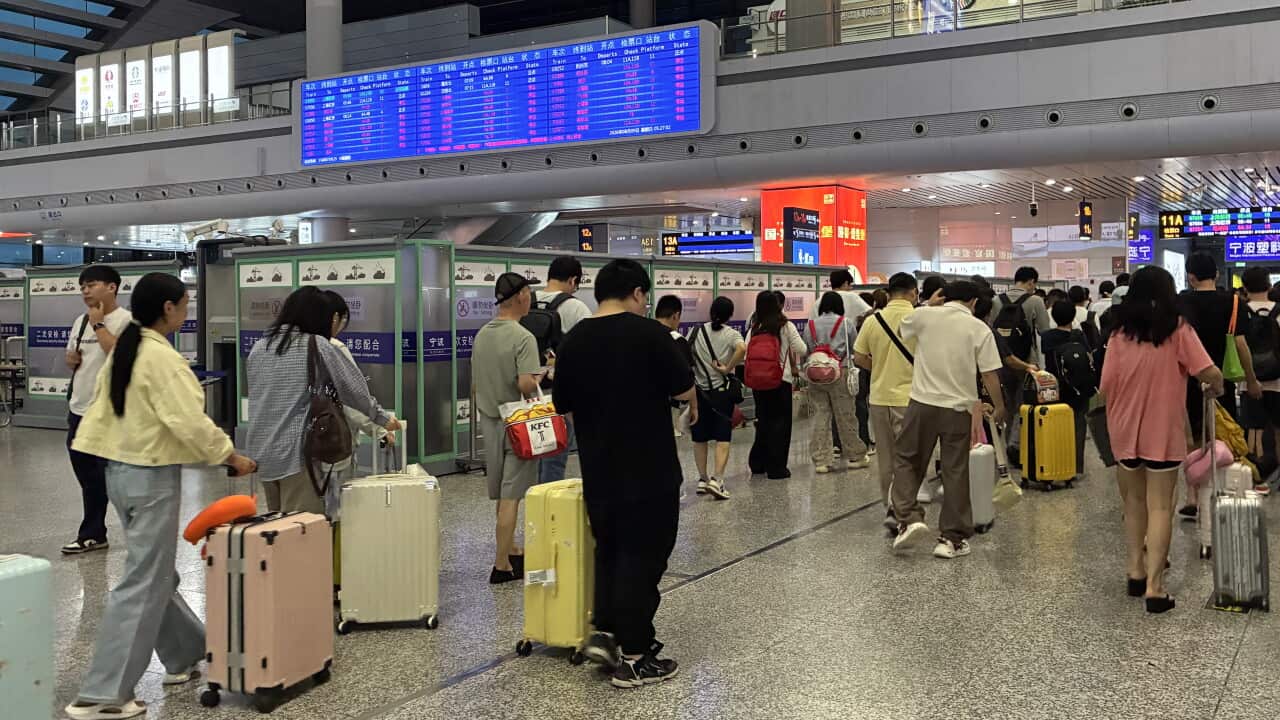
Singapore Ministers Defend Dual Strategy of Local and Multinational Enterprise Growth
Singaporean government officials recently reaffirmed a two-pronged economic approach that balances support for small domestic firms with the recruitment of multinational corporations. During a parliamentary debate, ministers argued that the city-state's small internal market necessitates global inte
Key takeaways
- Government ministers argue that MNCs provide essential capabilities and resources currently unavailable in Singapore's domestic market.
- The People's Action Party maintains that a domestic-only focus is unrealistic due to Singapore's small market size.
- The Workers' Party clarified they do not seek to exclude foreign capital but want to prioritize SMEs as a primary growth engine.
- Policy efforts continue to focus on helping local firms scale by expanding into international markets.
What Happened
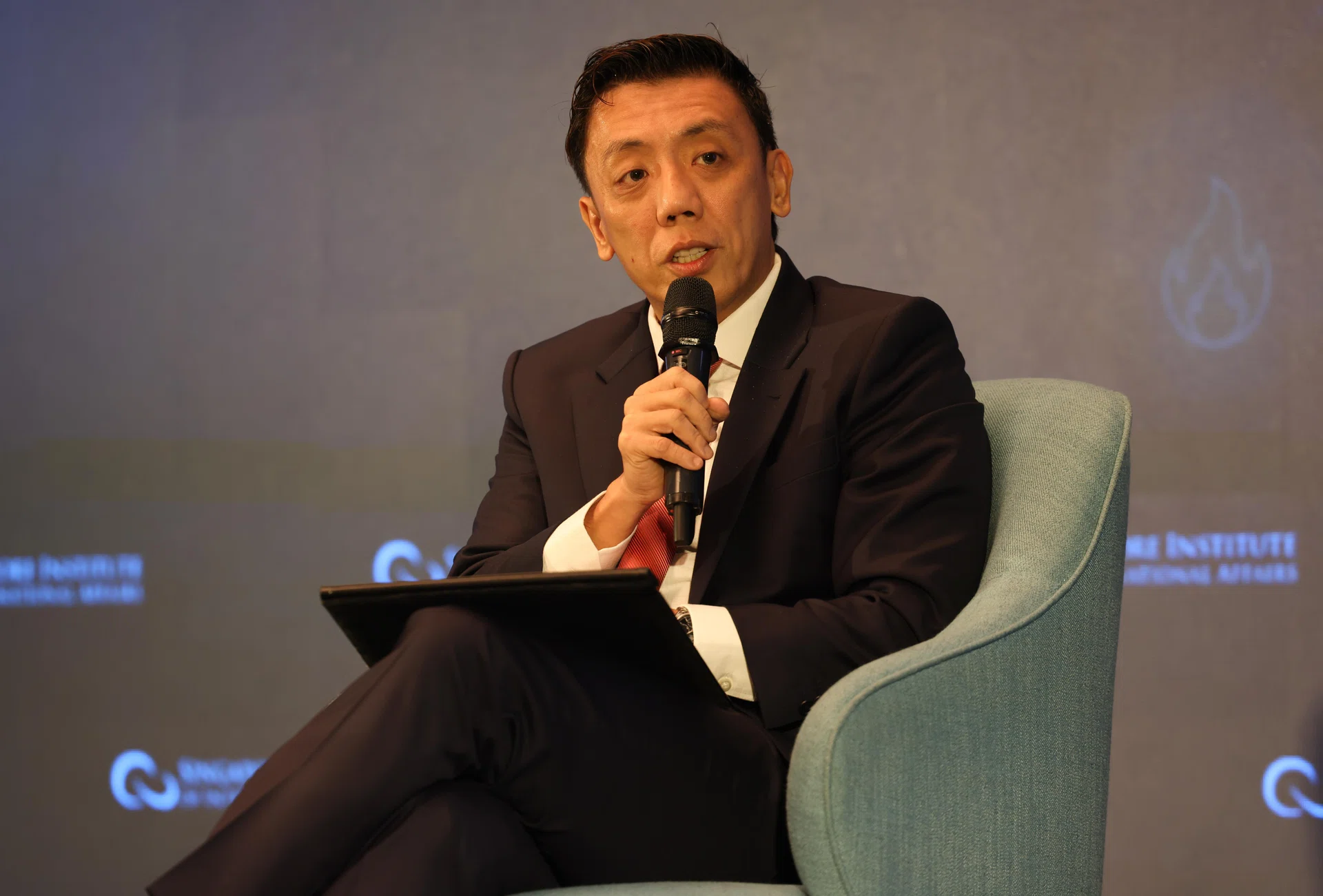
During a parliamentary debate on August 5, 2026, Transport Minister Jeffrey Siow and other government officials defended Singapore’s current economic model against proposals for a domestic-centric shift. The discussion followed a motion by Workers’ Party (WP) MPs Kenneth Tiong and Jamus Lim calling for a more inclusive economy. The governing People’s Action Party (PAP) countered this by proposing amendments to include specific mentions of global enterprises and external demand.
Background
The debate centered on the Economic Strategy Review final report released in June 2026. WP representatives suggested that Singapore should reduce its reliance on foreign multinational corporations (MNCs) and government-linked companies, advocating for small and medium-sized enterprises (SMEs) to become the primary engine of growth. They argued for a pivot away from tax competition and the aggressive recruitment of global firms in favor of strengthening domestic consumer demand.
Key Facts
- Minister Jeffrey Siow stated that local companies often grow specifically through their relationships with MNCs rather than despite them.
- The Workers' Party motion initially omitted references to global business and external demand, focusing instead on domestic drivers.
- Minister for Trade and Industry Tan See Leng noted that while domestic demand is a sign of economic health, Singapore's market lacks the scale required for advanced industries to thrive independently.
- Senior Minister of State for Trade and Industry Low Yen Ling confirmed government intentions to assist local businesses in expanding beyond the domestic market.
- MP Edward Chia proposed changing the motion's language from 'notwithstanding' government reports to 'in line with' them to better reflect policy continuity.
Why It Matters
The exchange highlights a fundamental disagreement regarding the risks of global economic uncertainty. While the opposition suggested that external volatility warrants a retreat toward domestic demand, the government maintained that Singapore's limited size makes such a retreat unrealistic. The administration views MNCs as essential providers of resources and capabilities that are not yet available within the domestic ecosystem. This policy stance ensures that Singapore remains an open economy, relying on external markets to provide the scale necessary for its local firms to evolve into competitive entities.
Sources reviewed
Project Chintan independently synthesized and analyzed information cross-checked across the sources listed above.
Related stories

Mizoram Chief Minister and Christian Institutions Seek Referral of FCRA Bill to Committee
Singapore’s Social Shift: Transactional Utility vs. Genuine Connection

Rowan Atkinson: From County Durham Origins to Enduring Cultural Influence