
Typhoon Dolphin Hits Eastern China Forcing Mass Evacuations and Flight Cancellations
Typhoon Dolphin made landfall in Zhejiang province on Sunday evening with 151 km/h winds, prompting the evacuation of over 1 million people. Transportation in the region faced significant disruptions, including the cancellation of more than 1,300 flights at Shanghai's major airports.
Key takeaways
- Typhoon Dolphin made landfall in Zhejiang province with Category 1 hurricane-strength winds of 151 km/h.
- Mass evacuations affected over 1 million residents across Zhejiang, Shanghai, and Fujian provinces.
- Over 1,300 flights were canceled at Shanghai's two major airports, representing a 60% reduction in Sunday's air traffic.
- Meteorologists warn of prolonged heavy rainfall and landslide risks as the storm tracks slowly westward through August 10.
What Happened
Typhoon Dolphin, identified as the strongest tropical cyclone to reach China this year, made landfall near Yuhuan in eastern Zhejiang province on Sunday evening. The storm arrived with maximum sustained winds of 151 km/h, comparable to a Category 1 hurricane. Prior to hitting the Chinese mainland, the cyclone passed through Japan’s Okinawa prefecture and brought heavy rain to northern Taiwan.
Regional authorities initiated large-scale safety measures as the storm approached. In Zhejiang province, the city of Wenzhou relocated more than 900,000 residents, while Taizhou evacuated approximately 390,000 people. Shanghai authorities moved at least 30,300 people from high-risk areas. In Fujian province, 98,900 people were evacuated after officials raised the typhoon emergency response to Level 3.
Impact on Infrastructure
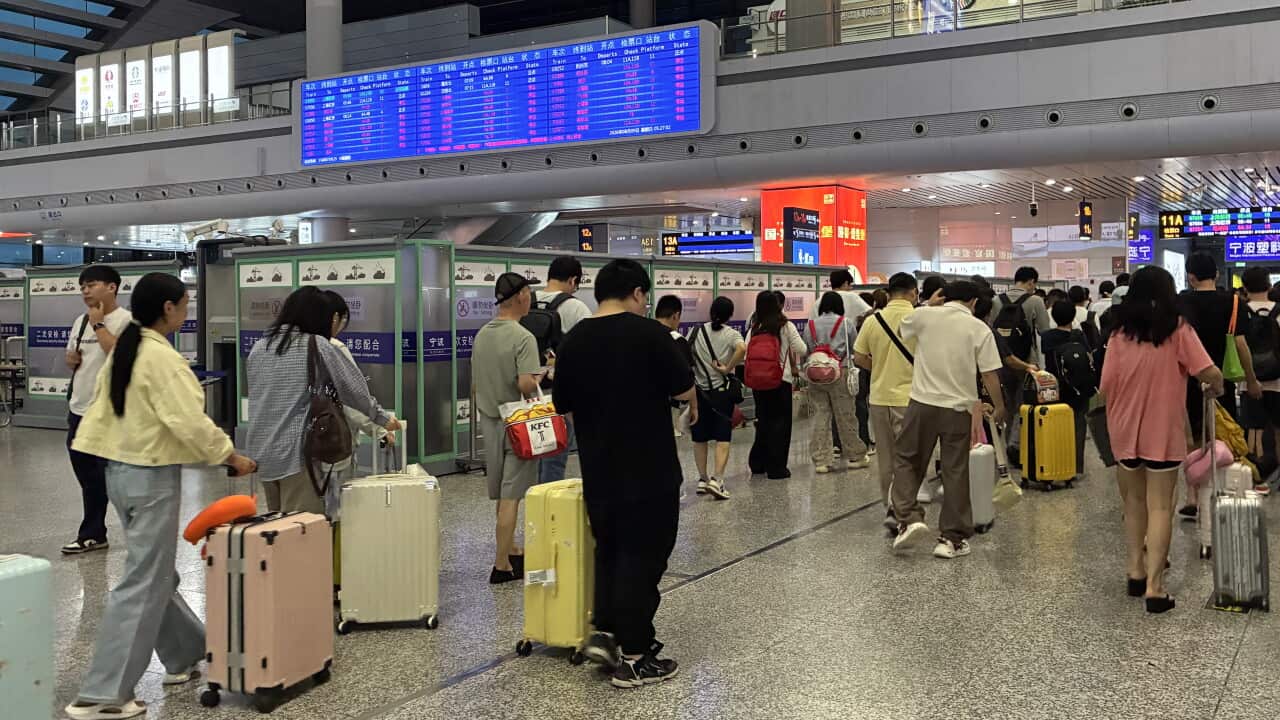
Air travel was severely impacted as the storm moved inland. Shanghai’s Hongqiao and Pudong airports canceled approximately 1,300 to 1,500 flights on Sunday, representing about 60% of the day's scheduled air traffic. Several Taiwanese airlines also suspended flights to China. Beyond aviation, Zhejiang authorities halted all water-based activities, including ferry services and cruises, and ordered all vessels to return to port.
Key Facts
- Landfall occurred near Yuhuan, Zhejiang province, on Sunday evening with winds of 151 km/h.
- Total evacuations across eastern China exceeded 1 million people.
- Shanghai airports canceled between 1,300 and 1,500 flights, according to VariFlight and local media reports.
- Forecasts indicate rainfall totals could reach 250-500 mm in parts of central and eastern Zhejiang through August 10.
- The storm previously injured six people and cut power to 50,000 buildings in Japan's Okinawa prefecture.
What Happens Next
Meteorological authorities expect the storm to track westward across central and southwestern China while gradually losing intensity. However, the slowing pace of the system may prolong heavy rainfall through August 10. Forecasters have issued warnings for severe flooding and landslides, particularly in mountainous regions, construction sites, and along smaller riverbanks in Zhejiang, Shanghai, Fujian, Anhui, and Jiangsu provinces.
Sources reviewed
Project Chintan independently synthesized and analyzed information cross-checked across the sources listed above.
Related stories

China Activates Highest Warning as Typhoon Dolphin Strikes Eastern Coast

Faye Brookes Discusses Theatrical Career and Potential Return to Coronation Street

Irish Authorities Receive Daniel Kinahan Following Successful Extradition from Dubai
